/ Agricultural machinery, equipment, inventory / Agricultural equipment, inventory / Various agricultural equipment, inventory + in assortment / Системы Дозирования Жидких Компонетов
Sell / buy
Sistemmy Dozirovanija Zhidkikh Komponentov, Kyiv
Price30,000 UAH.
Region:all Ukraine,
Kyiv
(Kyiv)
Updated:
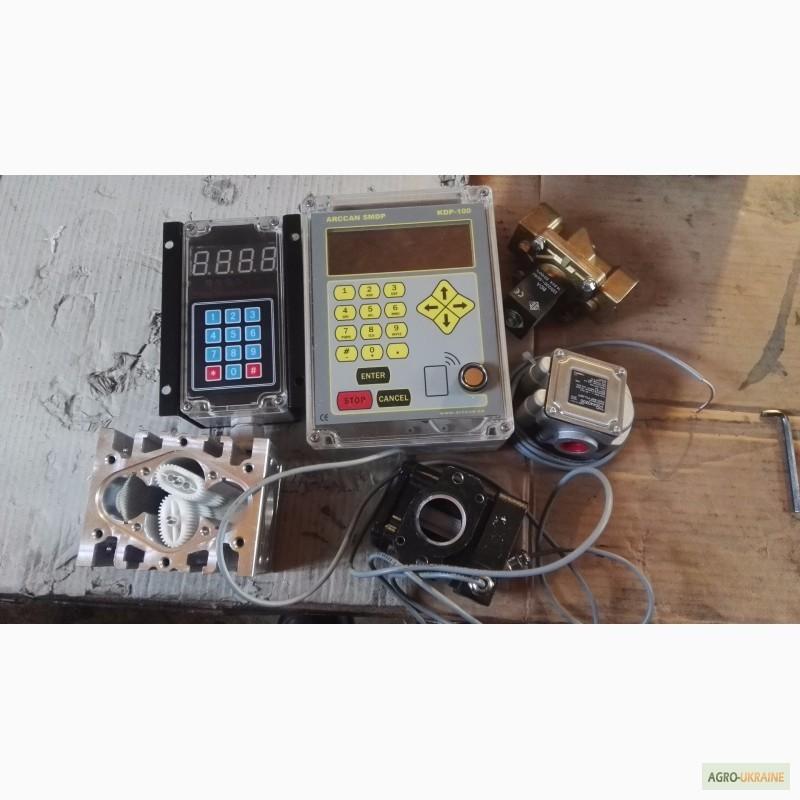
The process of dosing liquid components is one of the most important for obtaining a high-quality final product in numerous technological processes at enterprises. At the same time, the result is influenced by many factors: the state of the working environment - temperature, viscosity, presence of inclusions, aggressiveness; parameters of the supply pipeline - diameter, pressure of the liquid medium inside, liquid flow rate; required fluid flow rate and volume of a single dose, parameters of the external environment (temperature of the surrounding air, humidity, explosion hazard, sanitary requirements), etc. All this is taken into account when creating dosing systems due to the use of various components (electromagnetic (solenoid) or pneumatic valve,pump, flow meter, meter, mixer, thermostat, filter, etc.), suitable for specific operating conditions of SMART, Danfoss, Burkert, Asco, Dendor, Tork, Rotex and many others. The price of a liquid dispenser depends on the components used. Electronic dispenser to a large extent allows to automate the process of adding various liquid components.
Water dispensers
dispensers of liquid components(//tractor-service.com)
when installed on the pipeline, it is possible to easily and quickly, by pressing a button, repeatedly measure a given amount (single dose) of water (liquid) by volume, or maintain a given flow rate of a component. Dosing equipment must meet the following requirements: certain accuracy of component dosing; high productivity; simplicity of design and high reliability of the dispenser units and its control system; the possibility of creating automatic complexes that allow working according to the given algorithm of the technological process.
According to the structure of the working cycle, liquid dosing is divided into continuous and batch. Liquid dispensers differ in the method of dosing raw materials - volumetric dosing, in which volumetric metering dispensers are used, where the dosing accuracy is calculated based on the volume of the incoming liquid, proportional to the required weight or volume of the portion, and weight dosing - for viscous liquid dispensers, weight dispensers can also be used, if the liquid is thick enough to be filled into dosing containers and their subsequent weighing. In our case, an impeller is used for dosing liquid liquids, taking the number of revolutions from it and calculating the dosage based on them. According to the type of transportation, there are different types of dispensers for liquid and other fluid materials - pump-screw dispensers, where the liquid is moved using a screw screw, easy to maintain, but with a high dosage error, and piston-type liquid dispensers, in which the delivery of a measured amount of raw materials to the unloading valve is carried out with the help of a piston, they are quite reliable and have wide opportunities for modernization - for example, by installing an electromagnetic valve. Viscous liquid dispensers have a number of distinctive features, because many liquids used in production have a fairly thick consistency and are viscous. Dispensers for these types of liquids have wider transport nodes that facilitate the flow of raw materials, but at the same time, viscous liquids are less fluid, so they are easier to measure and pack accurately. At the same time, gear flowmeters andpumps are used in the role of shut-off valves.
The liquid dispensers produced by our company allow us to offer our customers individual solutions for specific dosing processes.
Water dispensers
dispensers of liquid components(//tractor-service.com)
when installed on the pipeline, it is possible to easily and quickly, by pressing a button, repeatedly measure a given amount (single dose) of water (liquid) by volume, or maintain a given flow rate of a component. Dosing equipment must meet the following requirements: certain accuracy of component dosing; high productivity; simplicity of design and high reliability of the dispenser units and its control system; the possibility of creating automatic complexes that allow working according to the given algorithm of the technological process.
According to the structure of the working cycle, liquid dosing is divided into continuous and batch. Liquid dispensers differ in the method of dosing raw materials - volumetric dosing, in which volumetric metering dispensers are used, where the dosing accuracy is calculated based on the volume of the incoming liquid, proportional to the required weight or volume of the portion, and weight dosing - for viscous liquid dispensers, weight dispensers can also be used, if the liquid is thick enough to be filled into dosing containers and their subsequent weighing. In our case, an impeller is used for dosing liquid liquids, taking the number of revolutions from it and calculating the dosage based on them. According to the type of transportation, there are different types of dispensers for liquid and other fluid materials - pump-screw dispensers, where the liquid is moved using a screw screw, easy to maintain, but with a high dosage error, and piston-type liquid dispensers, in which the delivery of a measured amount of raw materials to the unloading valve is carried out with the help of a piston, they are quite reliable and have wide opportunities for modernization - for example, by installing an electromagnetic valve. Viscous liquid dispensers have a number of distinctive features, because many liquids used in production have a fairly thick consistency and are viscous. Dispensers for these types of liquids have wider transport nodes that facilitate the flow of raw materials, but at the same time, viscous liquids are less fluid, so they are easier to measure and pack accurately. At the same time, gear flowmeters andpumps are used in the role of shut-off valves.
The liquid dispensers produced by our company allow us to offer our customers individual solutions for specific dosing processes.
Complete setsSWIMER gas station mines for diesel fuel.
Refueling pistols. PIUSI diesel fuel accounting meters. Italianpumps for pumping oil, diesel, gasoline./ Card fuel dispensing systems. Automation of departmental gas stations. Coils for coiling fuel hoses. All equipment is always available at our warehouse in Kyiv. Daily shipments are made across Ukraine.|
Author, contacts | |
Mini gas station / feedback, info. / activity evaluation | |
|
Phone:
+38 xxxxxx
show
| |
| Skype: alexua14 | |
| http://xn--80aaahwfaulllzm.com.ua | |
| facebook.com/PIUSI.UA | |
All ads user ~53 | |
Ad ID: #617202
(added by registered user, registration date: 09-09-2013)
Added / Updated: 06-29-2026 16:37 (current, until: 06-29-2027)
Permanent Ad Address:
Impressions / views for today: ?, total: ?
Similar ads
Among them there are many interesting ones...



Total1552 similar adsin the section "Agricultural equipment, inventory"