
For sale / buy
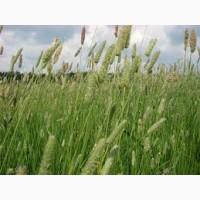
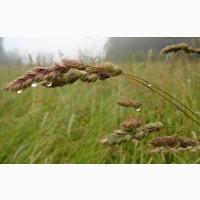
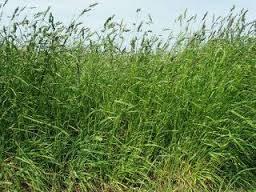
Meadow oatmeal. Possible sale with VAT, Volyn region.
Price55 UAH.
Region:all of Ukraine,
Volyn region.
(Lutsk)
Updated:
Meadow fescue (Festuca pratensis Huds.) belongs to the extensive genus Festuca of the bluegrass family. All types of fescue, with the exception of some, are willingly eaten by herbivorous animals both on pastures and in the form of hay. The highest value was received by meadow oat, which is found growing wild everywhere.
It is widely distributed in the Caucasus, Central Asia, Western and Eastern Siberia, but especially in the Non-Black Earth Zone and Forest Steppes.
With timely mowing, meadow fescue gives tender hay with high fodder characteristics. 100 kg of hay contains 12.1% protein, 54.7 nutritional units. and 3.8 kg of digestible protein. The yield of hay when the cultivation technology is followed is 4-5 t/ha.
Meadow oat is a valuable component in grass mixtures withclover meadow, alfalfa and safflower. Along withtimofeivkoya it is included in a mixture with perennial leguminous grasses everywhere, except in the most northern regions. In the forest-steppe zone, in the grass mixtures, meadow fescue has displaced meadow timothy, since sowing timothy in these areas is not expedient.
Since meadow fescue for fodder purposes is grown mainly in grass mixtures with alfalfa, safflower or clover, the cultivation technology is the same as for these listed herbs.
Meadow oat is a good precursor for grain crops. In leguminous-cereal grass mixtures, it is sown under the cover of both winter and spring cereals.(//tractor-service.com)
When sowing under the cover of spring cereals, oats are sown in the spring in a regular way at the same time as the cover crop or immediately after it.
Meadow fescue Seed rateseeds Meadow fescue for double grass mixtures - 12–13 kg/ha. For pure sowing of seed plots with regular sowing, we increase the seeding rate to 15–16 kg/ha. The depth of seed filling is 2-3 cm.
In contrast to timothy, meadow fescue is more drought-resistant, it is not afraid of autumn frosts and low winter temperatures. The culture is moisture-loving, short-term flooding of the site can withstand without losses.
Soil fertility also plays a significant role in obtaining high yields of meadow fescue. Good slopes are obtained on structured, not compacted soils with a high content of moisture and nutrients. Soils with a sandy and loamy mechanical composition, even with a deep groundwater table, do not contribute to high yields.
The maximum yield of green mass or seeds in meadow fescue is observed in the second and third days of vegetation. Most often, you can take one cut during the season, but if this first cut was carried out early, you can also take a good second cut, which contributes to the good growth of Ottawa meadow oat.
When choosing the timing of harvesting a grass mixture of fescue with leguminous grasses for hay, we focus on the phase of development of legumes, since fescue has a faster development and may become rough if mowing is delayed. The quality of the hay will deteriorate. We start mowing the grass mixture no later than the beginning of the budding of leguminous grasses.
It is widely distributed in the Caucasus, Central Asia, Western and Eastern Siberia, but especially in the Non-Black Earth Zone and Forest Steppes.
With timely mowing, meadow fescue gives tender hay with high fodder characteristics. 100 kg of hay contains 12.1% protein, 54.7 nutritional units. and 3.8 kg of digestible protein. The yield of hay when the cultivation technology is followed is 4-5 t/ha.
Meadow oat is a valuable component in grass mixtures withclover meadow, alfalfa and safflower. Along withtimofeivkoya it is included in a mixture with perennial leguminous grasses everywhere, except in the most northern regions. In the forest-steppe zone, in the grass mixtures, meadow fescue has displaced meadow timothy, since sowing timothy in these areas is not expedient.
Since meadow fescue for fodder purposes is grown mainly in grass mixtures with alfalfa, safflower or clover, the cultivation technology is the same as for these listed herbs.
Meadow oat is a good precursor for grain crops. In leguminous-cereal grass mixtures, it is sown under the cover of both winter and spring cereals.(//tractor-service.com)
When sowing under the cover of spring cereals, oats are sown in the spring in a regular way at the same time as the cover crop or immediately after it.
Meadow fescue Seed rateseeds Meadow fescue for double grass mixtures - 12–13 kg/ha. For pure sowing of seed plots with regular sowing, we increase the seeding rate to 15–16 kg/ha. The depth of seed filling is 2-3 cm.
In contrast to timothy, meadow fescue is more drought-resistant, it is not afraid of autumn frosts and low winter temperatures. The culture is moisture-loving, short-term flooding of the site can withstand without losses.
Soil fertility also plays a significant role in obtaining high yields of meadow fescue. Good slopes are obtained on structured, not compacted soils with a high content of moisture and nutrients. Soils with a sandy and loamy mechanical composition, even with a deep groundwater table, do not contribute to high yields.
The maximum yield of green mass or seeds in meadow fescue is observed in the second and third days of vegetation. Most often, you can take one cut during the season, but if this first cut was carried out early, you can also take a good second cut, which contributes to the good growth of Ottawa meadow oat.
When choosing the timing of harvesting a grass mixture of fescue with leguminous grasses for hay, we focus on the phase of development of legumes, since fescue has a faster development and may become rough if mowing is delayed. The quality of the hay will deteriorate. We start mowing the grass mixture no later than the beginning of the budding of leguminous grasses.
|
Author, contacts | |
Lutsksemena / opts, info. / evaluation activities | |
|
Phone:
+380xxxxxx
show
| |
All user ads ~10 | |
Ad ID: #985244
(added by a registered user, registration date: 06-12-2019)
Added/Updated: 10-12-2025 07:20 (relevant, until: 10-12-2026)
Permanent ad address:
Showed / watched for today: ?, total: ?
Similar ads
Among them there are many interesting...