Sell / buy
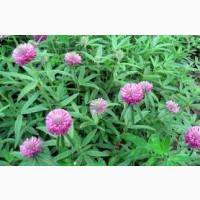
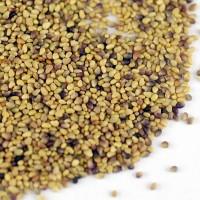
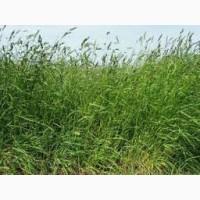
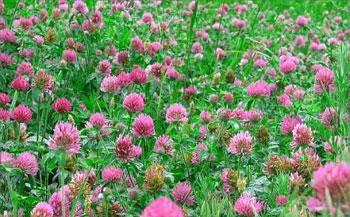
Red clover. Possible sale with VAT, Volyn region.
Price50 UAH.
Region:all of Ukraine,
Volyn region.
(Lutsk)
Updated:
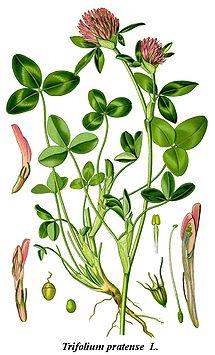
Clover (Trifolium L.) belongs to the legume family. There are about 70species of clover, but only some are cultivated: meadow clover, hybrid clover, creeping clover, etc.
Of these three (main) species, meadow (red) clover is considered the most common in field farming. Meadow clover hay is second only to alfalfa hay in terms of nutrient content.
The highest yield of clover is obtained in the first year of sowing (this is the next year after sowing). In the future, the loss of grass is observed (so that the terms of cultivation of meadow clover crops do not exceed two to three years). The average yield of clover for green fodder is 400 cents/ha, in a favorable hour — up to 800 cents/ha. The yield of clover hay is in the range of 50-60 c/ha.
Place in crop rotation:
The selection of a plot in the crop rotation for sowing meadow clover is determined by the cover crop under which we will sow clover. In this case, it is necessary to choose the most suitable cover crop for growing clover. Many crops can be predecessors of clover.
Thus, when sowing for spring grains, fallow crops can be precursors. Under the winter wheat there is black steam (although I haven't seen a field under steam for a long time).
We try not to allow a crop of clover on the plot or to sow clover often in one place. This leads to the high development of diseases and the spread of pests. Also, clover fatigue of the soil may appear, which will lead to a shortage of hay and clover seeds.
Soil preparation:
When sowing clover under the cover, soil preparation is carried out as for a cover crop - plowing at least 30 cm, not forgetting to carry out peeling of the harvest residues after harvesting the previous crop, in the spring, moisture is covered by harrowing followed by pre-sowing cultivation.
If you decide to sow clover by pure sowing, the main task is the fight against weeds, since the very slow development of clover in the hour of sowing allows weed vegetation to dominate the plot. So, the plot for sowing clover in its pure form should be chosen clean and weed free.
Fertilizers:
Clover absorbs more phosphorus, potassium, and nitrogen per unit of dry matter than cereal crops. The amount of nitrogen in the soil is replenished as a result of the activity of nodule bacteria, but the content of potassium and phosphorus in the soil is often insufficient. Phosphorus-potassium fertilizers can be applied both in the spring when sowing and in the fall under plowing.
In the second or third hour of clover cultivation, do not forget about fertilizing the grass. long-term observations have shown that autumn fertilizing is more effective than spring fertilizing, and also increases clover's resistance to low temperatures. When spreading mineral fertilizers on the surface, we apply norms based on the calculation of P45-50K45-50.(//tractor-service.com)
The introduction of organic fertilizers under the cover culture and even under the predecessor also gives good results. A noticeable increase in clover yield from the use of organic fertilizers can be explained by a more complete supply of plants with nutrients, including trace elements. Improving the conditions for the development of microorganisms in the soil.
More about the fertilization of perennial grasses
Preparation of seeds:
Clover cultivation technology Clover seeds that will be used for sowing must be thoroughly cleaned from weeds and weed seeds. It is especially important to prevent the presence of smut seeds in the sowing material.
It is advisable to treatseeds clover with rhizorthorphin or nitragin before sowing. This significantly accelerates the formation of nodule bacteria on the root system of clover, which in turn increases its yield.
In addition to treatingclover seeds with bacterial preparations, molybdenum-acidic ammonium treatment is used. All this is done immediately before sowing.
Sowing:
If we plan to cultivate clover under winter crops, we carry out sowing early in the spring, before the beginning of spring harrowing.
Clover is sown under the cover of spring crops at the same time as the cover crop. Sowing is carried out with a grain seeder at a seeding rate of 15-16 kg/ha. Since clover belongs to small-seeded crops, when sowing, cover the seeds no deeper than 2-3 cm. At the same time, it will not prevent the soil to be compacted with rollers before sowing, as well as repeat this operation after sowing.
Crop care:
We start care for the clover crop immediately after harvesting the cover crop, preventing contamination of the crop with harvest residues. After each mowing, we treat the crops with phosphorus-potassium fertilizers, and we also harrow the grass to improve the aeration of the upper soil layer.
Harvesting:
According to long-term data, the most optimal time for harvesting clover is the phase of the beginning of flowering. Cutting precisely in these terms allows you to prepare high-quality fodder with a high percentage of protein. Well, the regrowth of grass for the next slope is faster.
Of these three (main) species, meadow (red) clover is considered the most common in field farming. Meadow clover hay is second only to alfalfa hay in terms of nutrient content.
The highest yield of clover is obtained in the first year of sowing (this is the next year after sowing). In the future, the loss of grass is observed (so that the terms of cultivation of meadow clover crops do not exceed two to three years). The average yield of clover for green fodder is 400 cents/ha, in a favorable hour — up to 800 cents/ha. The yield of clover hay is in the range of 50-60 c/ha.
Place in crop rotation:
The selection of a plot in the crop rotation for sowing meadow clover is determined by the cover crop under which we will sow clover. In this case, it is necessary to choose the most suitable cover crop for growing clover. Many crops can be predecessors of clover.
Thus, when sowing for spring grains, fallow crops can be precursors. Under the winter wheat there is black steam (although I haven't seen a field under steam for a long time).
We try not to allow a crop of clover on the plot or to sow clover often in one place. This leads to the high development of diseases and the spread of pests. Also, clover fatigue of the soil may appear, which will lead to a shortage of hay and clover seeds.
Soil preparation:
When sowing clover under the cover, soil preparation is carried out as for a cover crop - plowing at least 30 cm, not forgetting to carry out peeling of the harvest residues after harvesting the previous crop, in the spring, moisture is covered by harrowing followed by pre-sowing cultivation.
If you decide to sow clover by pure sowing, the main task is the fight against weeds, since the very slow development of clover in the hour of sowing allows weed vegetation to dominate the plot. So, the plot for sowing clover in its pure form should be chosen clean and weed free.
Fertilizers:
Clover absorbs more phosphorus, potassium, and nitrogen per unit of dry matter than cereal crops. The amount of nitrogen in the soil is replenished as a result of the activity of nodule bacteria, but the content of potassium and phosphorus in the soil is often insufficient. Phosphorus-potassium fertilizers can be applied both in the spring when sowing and in the fall under plowing.
In the second or third hour of clover cultivation, do not forget about fertilizing the grass. long-term observations have shown that autumn fertilizing is more effective than spring fertilizing, and also increases clover's resistance to low temperatures. When spreading mineral fertilizers on the surface, we apply norms based on the calculation of P45-50K45-50.(//tractor-service.com)
The introduction of organic fertilizers under the cover culture and even under the predecessor also gives good results. A noticeable increase in clover yield from the use of organic fertilizers can be explained by a more complete supply of plants with nutrients, including trace elements. Improving the conditions for the development of microorganisms in the soil.
More about the fertilization of perennial grasses
Preparation of seeds:
Clover cultivation technology Clover seeds that will be used for sowing must be thoroughly cleaned from weeds and weed seeds. It is especially important to prevent the presence of smut seeds in the sowing material.
It is advisable to treatseeds clover with rhizorthorphin or nitragin before sowing. This significantly accelerates the formation of nodule bacteria on the root system of clover, which in turn increases its yield.
In addition to treatingclover seeds with bacterial preparations, molybdenum-acidic ammonium treatment is used. All this is done immediately before sowing.
Sowing:
If we plan to cultivate clover under winter crops, we carry out sowing early in the spring, before the beginning of spring harrowing.
Clover is sown under the cover of spring crops at the same time as the cover crop. Sowing is carried out with a grain seeder at a seeding rate of 15-16 kg/ha. Since clover belongs to small-seeded crops, when sowing, cover the seeds no deeper than 2-3 cm. At the same time, it will not prevent the soil to be compacted with rollers before sowing, as well as repeat this operation after sowing.
Crop care:
We start care for the clover crop immediately after harvesting the cover crop, preventing contamination of the crop with harvest residues. After each mowing, we treat the crops with phosphorus-potassium fertilizers, and we also harrow the grass to improve the aeration of the upper soil layer.
Harvesting:
According to long-term data, the most optimal time for harvesting clover is the phase of the beginning of flowering. Cutting precisely in these terms allows you to prepare high-quality fodder with a high percentage of protein. Well, the regrowth of grass for the next slope is faster.
|
Author, contacts | |
Lutsksemena / отзывы, инфо. / evaluation activities | |
|
Phone:
+380xxxxxx
show
| |
All user ads ~10 | |
Ad ID: #985240
(added by a registered user, registration date: 06-12-2019)
Added/Updated: 10-12-2025 07:20 (relevant, until: 10-12-2026)
Permanent ad address:
Showed / watched for today: ?, total: ?
Similar ads
Among them there are many interesting ones...