/ Agricultural machinery, equipment, inventory / Post-harvest processing, storage (equipment) / Grain dryers / PERRY grain dryers for sale
For sale / buy
Perry grain dryers for sale, Kyiv region.
Price50,000$
Region:all of Ukraine,
Kyiv region.
(G.Kyiv, Solomenskaya Street 3 of 43)
Updated:
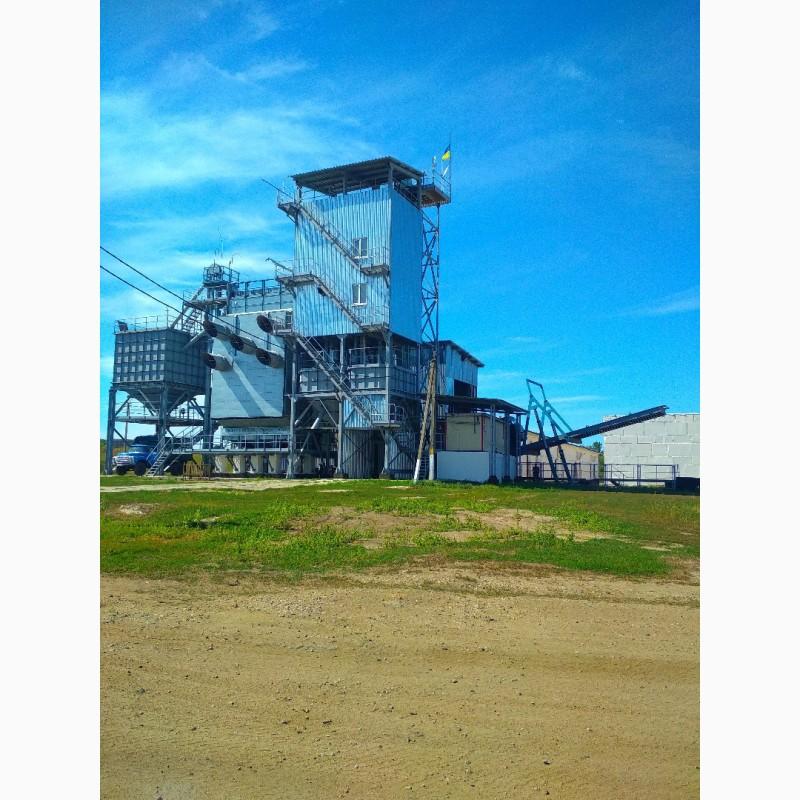
Agricultural dryers of continuous action with a mixed flow are intended for all crops.
Perry of Oakley Ltd has been designing and manufacturing grain dryers since 1954, and during this period the total number of manufactured grain dryers exceeded 5,000 pieces.
The latest design of the Perry dryer is an improved version of the mine design, without exaggeration, hundreds of which have already been installed.
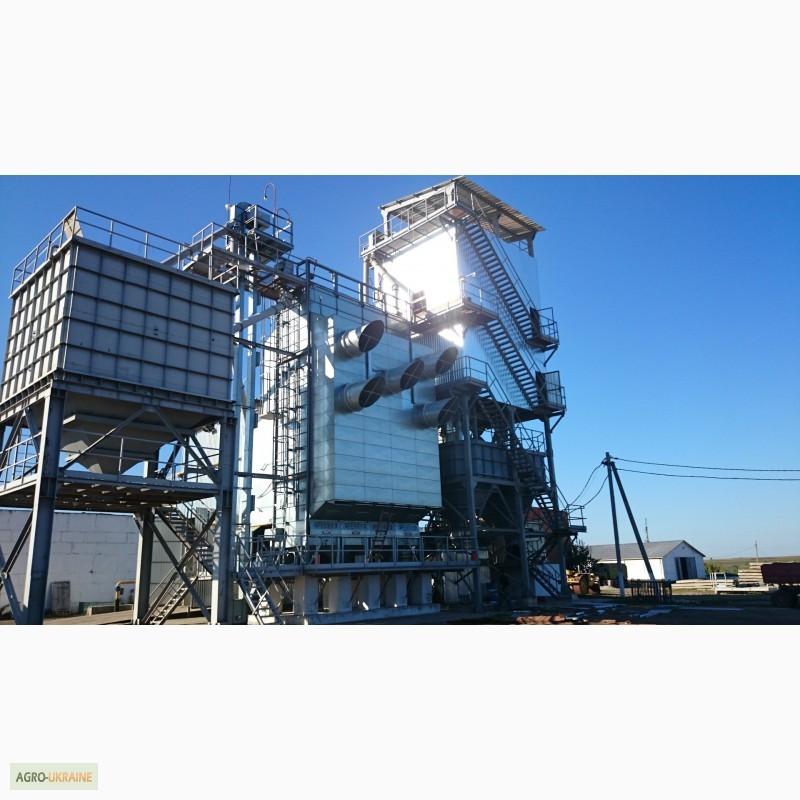
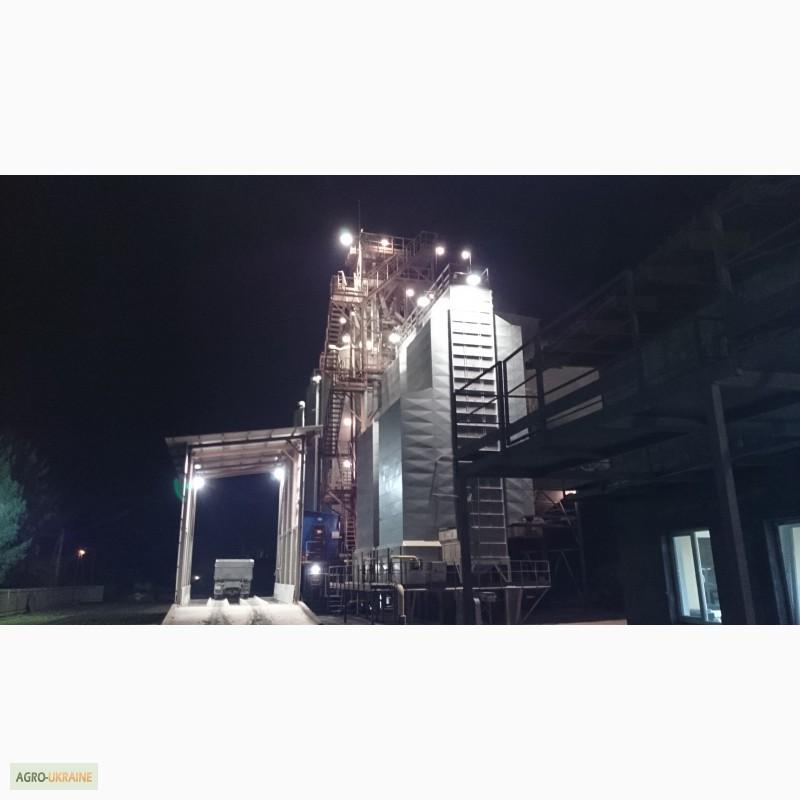
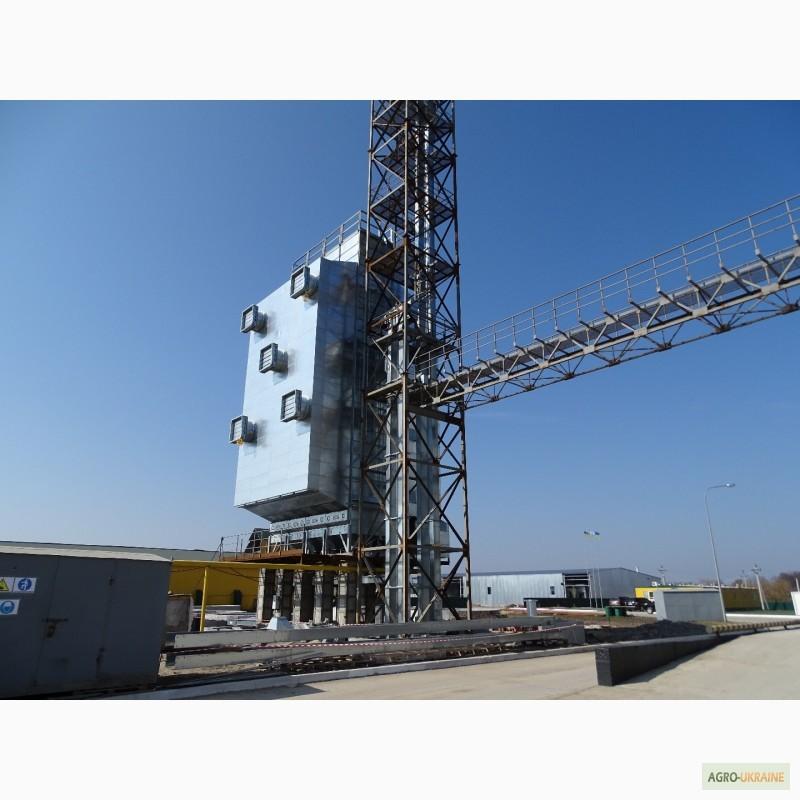
Construction of the minePerry grain dryers:
• All parts of the grain dryer are made of abrasion-resistant steel, made in Great Britain and treated by the method of deep hot galvanizing in accordance with BS1014 and BS1461. The thickness of the steel is not less than 2 mm. The outside of the grain dryer is sheathed with facing panels for outdoor use. Fully galvanized, all-weather construction for outdoor and/or indoor use.
• Mine grain dryers of continuous action with a mixed flow are intended for all grain crops (including rapeseed, linseed, sorghum, soybean, malting barley, oats,sunflower, rice, buckwheat, peas, wheat, corn).
• Low power consumption (all electric motors are energy-saving).
• High-performance fans with a large diameter, operating at low speeds with a low noise level.
• Drying in one pass.
• The height of the dryer with a split shaft is halved.
• Absence of screws.
• Modular construction of a mine grain dryer, intended for further expansion.
• A ladder with a fence from the ground to the roof of the dryer.
• Choice of roof shape: a flat roof as a service platform with handrails around the perimeter for servicing the upper loading conveyor or a sloping roof to reduce dust and grain accumulation areas (recommended when drying seed material to avoid cross-contamination).
Due to design features, Perry mine grain dryers have a clear advantage:
• when drying light small-seeded crops;
• when drying tender crops: oil crops, seed material, malting barley and rice;
• on environmental friendliness and economy of drying;
• when cleaning grain dryers or frequently switching from one agricultural crop to another.
Three-level burner: 170
• Одна топливная горелка для удобства обслуживания и простого подключения к электросети.
• Low fuel consumption (1 ldiesel fuel / ton / 1% moisture removal).
• Wide temperature range.
• Very accurate temperature setting.
• All grain dryers are equipped with burners with two additional modes of operation at a low flame (first and second stage of correction), for example, for drying winter rapeseed.(//tractor-service.com)
• In the standard version, the mine dryer is supplied with burners that are suitable for diesel fuel, liquid gas, natural gas.
• Delivery is possible both with and without a heat exchanger.
Uniform continuous drying:
• Continuous load controller available.
• The conical design of the mine ensures the same speed of the air flow across the entire width of the mine dryer - this contributes to uniform drying.
• The grain dryer has a recently updated design of a section of channels on the wall of each drying zone, this reduces the accumulation of chaff and, more importantly, ensures that the grain passing down the walls of the dryer receives the same degree of drying as the grain passing down the center of the dryer.
• The modern motor-reducer is equipped with a frequency converter and is connected via feedback to the control panel for constant monitoring of the drying process.
• Cooling is carried out in the lower sections of the dryer. The volume of the cooling zone can be easily reduced by the operator from the ground with the help of levers, thereby increasing the volume of the drying zone, and thus the productivity of the dryer..
• Perry mine grain dryers can be equipped with both an unloading mechanism with a pneumatic drive and a compressor, and a smoothly adjustable roller unloading system along the entire length of the dryer. These rollers always rotate, so there is a continuous unloading of the grain dryer, which guarantees continuous and uniform drying, ensures the absence of jumps in the load on the transport equipment.
Drying of small-seeded crops:
When drying light crops at low temperatures, such as rapeseed or flax, there is a problem of the crop being blown out of the dryer by fans.
Perry mine dryers have a clear advantage here.
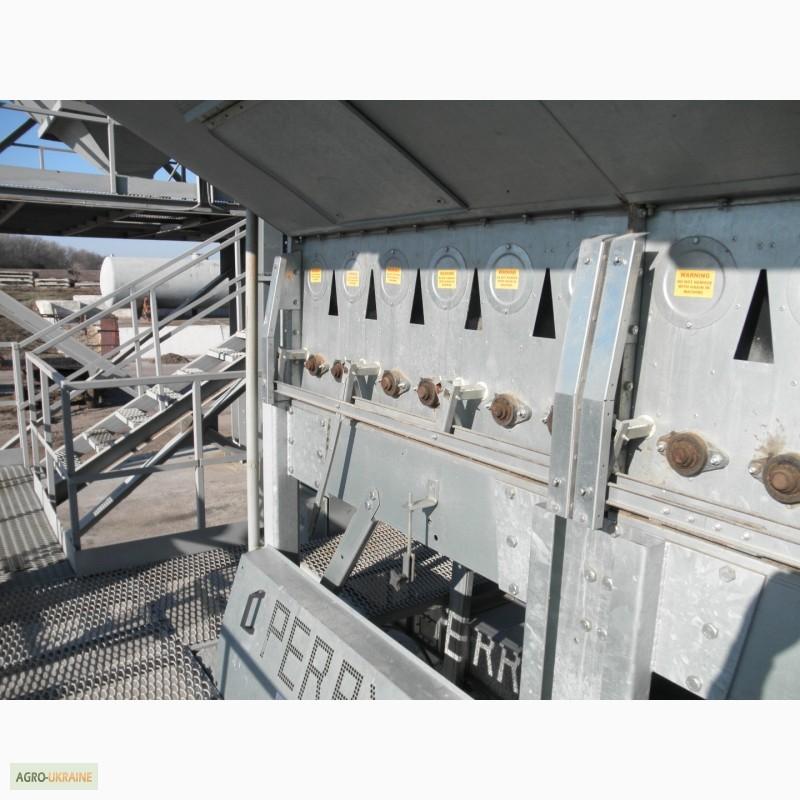
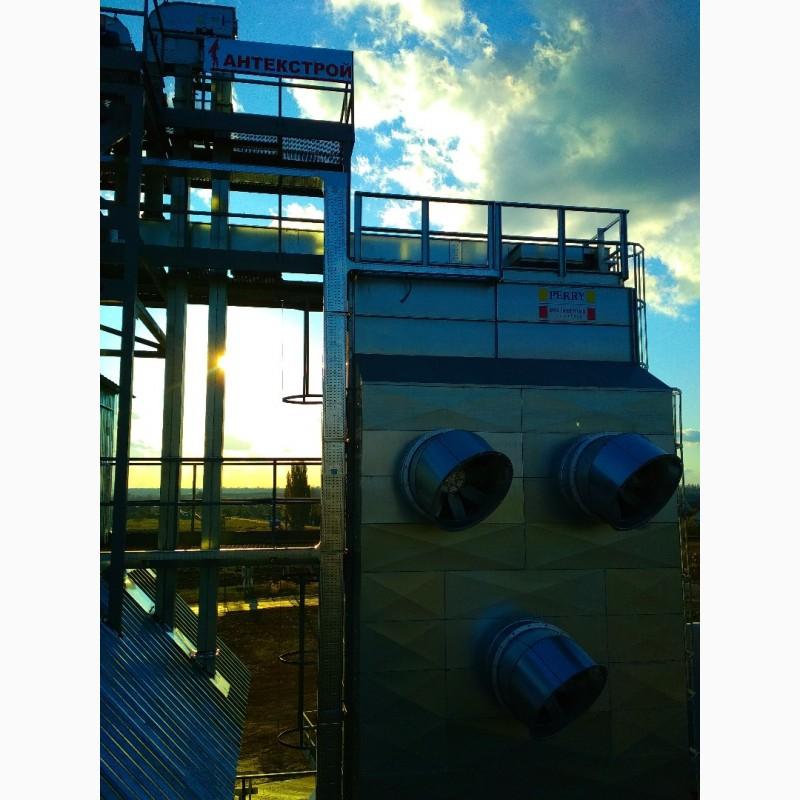
• We have a separate supply ventilation bypass channel, which separates the fans from the main supply ventilation channel. In the lower part of the bypass channel of the supply ventilation, there are ventilating holes - air intakes (see photo). The operator, controlling the drying process through the inspection window and adjusting the air intakes, gets the opportunity to control the amount of air that the fans blow through the grain column. Due to the fact that the air intakes are located far from the drying shaft, the speed of the air flow in this area does not increase, which helps to exclude the capture of the culture by air.
• Perry dryers also have very wide chambers for mixing hot and cold air. This gives 2 advantages: 1) more time for hot air to mix and distribute from top to bottom in the dryer, which contributes to more uniform drying; 2) fans are located far from agricultural crops, which reduces the probability of air capture of light crops.
Servicing the grain dryer and cleaning it:
• An inspection window is provided for monitoring the dust level at the bottom of the air vent.
• Inspection windows at each level allow the operator to observe the movement of grain through the dryer.
• The inner surfaces of the drying shaft are even and smooth, without inner flanges or bolt heads. This is especially important when frequently switching from one farming culture to another.
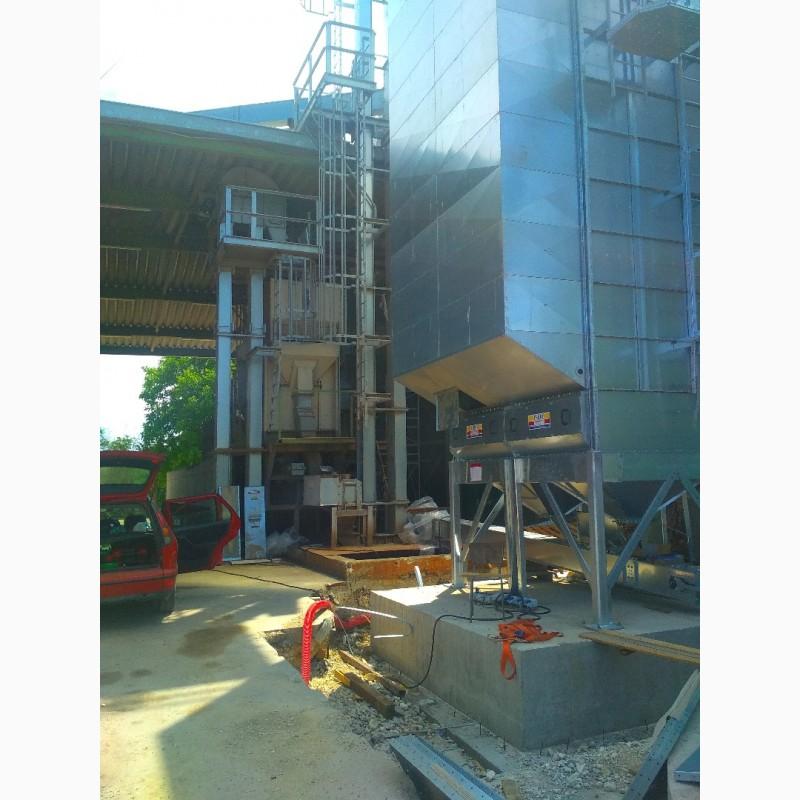
• External panels of the grain dryer are easily opened on hinges for full inspection and easy cleaning.
• All supply ventilation panels are easily hinged for full inspection and easy cleaning.
• Air intakes are protected from rain in the winter period when the dryer is not in use.
• Enlarged air intakes in the cooling zone allow additional air to pass into the unloading zone. This increases the speed of grain cooling and reduces its temperature more effectively.
• Large inspection panels and a mechanism for quick cleaning of discharge chutes facilitate cleaning of the dryer, reduce the time of transition from one agricultural crop to another.
• A lot of small inspection hatches on the wall of the unloading section of the dryer to also provide easy access.
Perry of Oakley Ltd has been designing and manufacturing grain dryers since 1954, and during this period the total number of manufactured grain dryers exceeded 5,000 pieces.
The latest design of the Perry dryer is an improved version of the mine design, without exaggeration, hundreds of which have already been installed.
Construction of the minePerry grain dryers:
• All parts of the grain dryer are made of abrasion-resistant steel, made in Great Britain and treated by the method of deep hot galvanizing in accordance with BS1014 and BS1461. The thickness of the steel is not less than 2 mm. The outside of the grain dryer is sheathed with facing panels for outdoor use. Fully galvanized, all-weather construction for outdoor and/or indoor use.
• Mine grain dryers of continuous action with a mixed flow are intended for all grain crops (including rapeseed, linseed, sorghum, soybean, malting barley, oats,sunflower, rice, buckwheat, peas, wheat, corn).
• Low power consumption (all electric motors are energy-saving).
• High-performance fans with a large diameter, operating at low speeds with a low noise level.
• Drying in one pass.
• The height of the dryer with a split shaft is halved.
• Absence of screws.
• Modular construction of a mine grain dryer, intended for further expansion.
• A ladder with a fence from the ground to the roof of the dryer.
• Choice of roof shape: a flat roof as a service platform with handrails around the perimeter for servicing the upper loading conveyor or a sloping roof to reduce dust and grain accumulation areas (recommended when drying seed material to avoid cross-contamination).
Due to design features, Perry mine grain dryers have a clear advantage:
• when drying light small-seeded crops;
• when drying tender crops: oil crops, seed material, malting barley and rice;
• on environmental friendliness and economy of drying;
• when cleaning grain dryers or frequently switching from one agricultural crop to another.
Three-level burner: 170
• Одна топливная горелка для удобства обслуживания и простого подключения к электросети.
• Low fuel consumption (1 ldiesel fuel / ton / 1% moisture removal).
• Wide temperature range.
• Very accurate temperature setting.
• All grain dryers are equipped with burners with two additional modes of operation at a low flame (first and second stage of correction), for example, for drying winter rapeseed.(//tractor-service.com)
• In the standard version, the mine dryer is supplied with burners that are suitable for diesel fuel, liquid gas, natural gas.
• Delivery is possible both with and without a heat exchanger.
Uniform continuous drying:
• Continuous load controller available.
• The conical design of the mine ensures the same speed of the air flow across the entire width of the mine dryer - this contributes to uniform drying.
• The grain dryer has a recently updated design of a section of channels on the wall of each drying zone, this reduces the accumulation of chaff and, more importantly, ensures that the grain passing down the walls of the dryer receives the same degree of drying as the grain passing down the center of the dryer.
• The modern motor-reducer is equipped with a frequency converter and is connected via feedback to the control panel for constant monitoring of the drying process.
• Cooling is carried out in the lower sections of the dryer. The volume of the cooling zone can be easily reduced by the operator from the ground with the help of levers, thereby increasing the volume of the drying zone, and thus the productivity of the dryer..
• Perry mine grain dryers can be equipped with both an unloading mechanism with a pneumatic drive and a compressor, and a smoothly adjustable roller unloading system along the entire length of the dryer. These rollers always rotate, so there is a continuous unloading of the grain dryer, which guarantees continuous and uniform drying, ensures the absence of jumps in the load on the transport equipment.
Drying of small-seeded crops:
When drying light crops at low temperatures, such as rapeseed or flax, there is a problem of the crop being blown out of the dryer by fans.
Perry mine dryers have a clear advantage here.
• We have a separate supply ventilation bypass channel, which separates the fans from the main supply ventilation channel. In the lower part of the bypass channel of the supply ventilation, there are ventilating holes - air intakes (see photo). The operator, controlling the drying process through the inspection window and adjusting the air intakes, gets the opportunity to control the amount of air that the fans blow through the grain column. Due to the fact that the air intakes are located far from the drying shaft, the speed of the air flow in this area does not increase, which helps to exclude the capture of the culture by air.
• Perry dryers also have very wide chambers for mixing hot and cold air. This gives 2 advantages: 1) more time for hot air to mix and distribute from top to bottom in the dryer, which contributes to more uniform drying; 2) fans are located far from agricultural crops, which reduces the probability of air capture of light crops.
Servicing the grain dryer and cleaning it:
• An inspection window is provided for monitoring the dust level at the bottom of the air vent.
• Inspection windows at each level allow the operator to observe the movement of grain through the dryer.
• The inner surfaces of the drying shaft are even and smooth, without inner flanges or bolt heads. This is especially important when frequently switching from one farming culture to another.
• External panels of the grain dryer are easily opened on hinges for full inspection and easy cleaning.
• All supply ventilation panels are easily hinged for full inspection and easy cleaning.
• Air intakes are protected from rain in the winter period when the dryer is not in use.
• Enlarged air intakes in the cooling zone allow additional air to pass into the unloading zone. This increases the speed of grain cooling and reduces its temperature more effectively.
• Large inspection panels and a mechanism for quick cleaning of discharge chutes facilitate cleaning of the dryer, reduce the time of transition from one agricultural crop to another.
• A lot of small inspection hatches on the wall of the unloading section of the dryer to also provide easy access.
|
Author, contacts | |
Kutsenko Konstantin / feedback, info. / activity evaluation | |
|
Phone:
0504xxxxxx
show
| |
All user ads ~7 | |
Ad ID: #396245
(added by a registered user, registration date: 12-06-2015)
Added/Updated: 09-06-2026 23:22 (current, until: 06-09-2027)
Permanent Ad Address:
Impressions / views for today: ?, total: ?
Similar ads
There are many interesting ones among them...



Всього 216 схожих оголошень в рубриці «Зерносушарки»
Вся Україна: Сільгосптехніка, обладнання, інвентар 45594 / Post-harvest processing, storage (equipment) 1197 / Grain dryers 216
Kyiv region:Agricultural machinery, equipment, inventory 4272 / Post-harvest processing, storage (equipment) 89 / Grain dryers 41