
For sale / buy
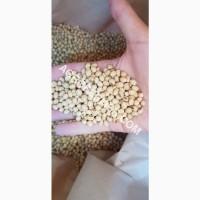
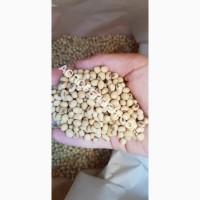
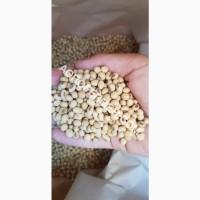
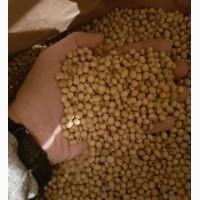
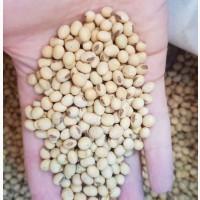
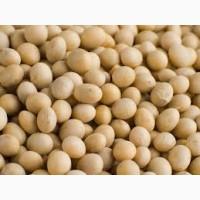
Soybean seeds DREM (under roundup) Canadian transgenic variety (elite) 1mesh 20kg, Dnipropetrovsk region.
Region:
Dnipropetrovsk region.
DREM soybean seeds
resistant to continuous action herbicide RR Roundup Ready
uniform ripening
resistant to diseases and viruses.
resistant to lying down and shedding.
resistance to drought stress and high temperatures, as well as a gene for low temperatures
Harvest year: 2022
Availability: in stock
Price in Ukraine
UAH 60,000/t
Buy soybean seeds DREM (under roundup) Canadian transgenic variety (elite) - Detailed description
Canadian nano transgenic soybean variety DREM, RR2.
It was scientifically developed on the basis of nano technologies in Canada by the well-known Canadian holding SERTIS HOLDING GROUP in 2020. It underwent variety tests in Israel, China, Brazil, Egypt, where the temperature reached + 60 C *. The height of the stem is 120 cm, the stem is straight, powerful. The powerful tap root lies in the ground at a depth of up to 240 cm. The leaves are trifoliate. The mounting height oflower beans soybeans is 12 cm. The number of pods in the nodes is 9 pods and they are located at a distance from the lower 3 cm to the upper next node. The soybean fruit is a bean with two opening flaps and usually containing 6 seeds along the dorsal seams. Beans are large, there are up to 420 beans on one plant. Resistant to cracking.(//tractor-service.com)
Essential differences between transgenic soybeans and ordinary hybrids and varieties:
1) Resistant to EPSP Synthase transformed from the soil bacterium Agrobacterium sp. StrainCP4 transferred into the soybean genome with the help of a gene gun, which made this soybean resistant to the continuous action herbicide RR Roundup Ready.
2) It is characterized by uniform ripening.
3) Resistant to laying and shedding (heavy rains, wind, hail).
4) It is removed in a straight line and does not require desiccation.
5) This soybean variety contains a modified Psku1, Psku 2r—x gene, thanks to these two genes, soybeans are resistant to diseases and viruses.
6) Contains a transformed gene for resistance to harmful insects affecting common soybean varieties and hybrids, thanks to the transformation of genes isolated from Gram-positive spore-forming soil bacteria (Bacillus thuringiensis) Bt endotoxins, Cry1F, Cry 1Аb, Cry1Ас, Cry1aa globular proteins of endotoxins causing a strong insecticidal effect against harmful insects Lepidoptera and Coleoptera and transformed into the cell structure of the DNA atom of soy is manifested by the fact that when it enters the intestine of an insect, the protein crystal СрТ1 endotoxin dissolves in the alkaline medium of the intestinal juice, forms a toxic form that is transmitted through the ion channel, and leads to the death of the cells of the harmful insect due to the loss of homeostasis, quickly causing starvation, the release of the endotoxin protein begins from the moment the culture sprouts and ceases until the moment of complete ripening of soybeans, given that the endotoxin is not transformed, therefore it is safe for all vertebrates, humans, warm-blooded animals, birds, mice.
7) Soybeans are resistant to abiotic stresses thanks to two transformed ppdk genes — the gene for resistance to drought stress and the effect of elevated temperatures, as well as the desA12licBM3 gene for resistance to low temperatures (sharp temperature changes from + 60 C* to — 15 C* throughout the entire growing season.
8) Contains the transformed gene STPD1, which increases the resistance of soybeans to the increased content of salts in the soil, as well as the resistance of soybeans to water stress, to partial flooding of soybean fields with water.
9) Contains the transformed Fad 2 gene - thanks to this gene, the content of oleic acid in soybean oil is 60% of the total content of 40% of soybean oil.
10) Contains the transformed gene G2rt0, which produces flavonoid glycosides TRICIN - 1%, CVERZETIN - 1% content in soybean oil, which increases human immunity up to - 9 points, namely interferon - Y, T - lymphocytes, B - lymphocytes, NK - cells, G - immunoglobulins, this provides an opportunity for human immunity to fight against various viruses and bacteria.
11) This soybean variety is self-pollinating and does not require the presence of bees.
12) This soybean variety is resistant to acid rain.
The weight of 1,000 seeds of the Canadian nano — transgenic DREM soybean variety is 165 grams.
Germination — 98%, Germination energy — 98%, Varietal purity — 100%, Moisture — 12%, Purity — 99.99%
The yield of the Canadian transgenic DREM soybean variety is 60 cents. - 65 cents. c 1 - hectare.
Sowing Sowing of DREM transgenic soybeans begins in the spring from March 5 to June 10 inclusively, it is possible to sow soybeans at a temperature of + 5 C*, + 8 C *, as it is not afraid of spring frosts, soybean sprouts appear in 8-10 days.
The rate of sowing of the Canadian transgenic DREM soybean variety per hectare is 600,000, it is sown to a depth of 4 cm on light soils and 2 cm on heavy soils, with 15 cm x 30 cm between rows, the method of sowing is narrow-row 7.5 cm, which consists of pneumatic seeders and seed drills with NWT — 3, SZU — 3, SZ -3, SZA -3, SPG- 6 MF, as well as precision drills. Soybean yield depends on the density of planting. For southern steppe areas, the optimal planting density is 600 thousand, for forest-steppe areas, 650 thousand per 1 ha. For soybeans, shingle plowing is recommended. Pre-sowing soil treatment should ensure a finely lumpy, well-drained soil. Only well-dried soil is processed. Surface application of fertilizer at the same time protects the soil from siltation.
The herbicide is processed by Roundup systemic herbicide (isopropylamine salt of glyphosate 607 g/l) for the destruction of a wide range of annual cereals, perennial weeds, and dicotyledonous weeds. Also, the drug has a dual mechanism of action, kills vegetative and weed that grow from seeds. The active substance of the herbicide penetrates through the leaves of plants, dissolves their waxy layer and the fat that covers the leaves of the plant and penetrates through the cuticle, and then enters the root system directly, which leads to the cessation of cell growth and the death of plants after 20-30 days. The herbicide is applied with the help of ground sprayers, after the appearance of soybean sprouts in the phase of 2 to 5 real soybean leaves (soy cotyledons are not taken into account), it is possible to carry out roundup treatment every month in 2 liters until July. The consumption rate of Roundup herbicide is 2 liters per hectare
Fertilizers Application of phosphorus and nitrogen fertilizers increases not only yield, but also oiliness. per 1 ha of superphosphate at the time of sowing and nitroammofoska 120 kg - 130 kg per 1 ha before sowing or after soybean seedlings.
The vegetation period of the transgenic Canadian DREM soybean variety from sowing to harvesting is 99 days (early).
Harvesting of soybeans should begin when the leaves have fallen, the stems and soybeans have dried at a humidity of 14-15%, harvesting is carried out with ordinary Don, Jondyr, Case combines.
resistant to continuous action herbicide RR Roundup Ready
uniform ripening
resistant to diseases and viruses.
resistant to lying down and shedding.
resistance to drought stress and high temperatures, as well as a gene for low temperatures
Harvest year: 2022
Availability: in stock
Price in Ukraine
UAH 60,000/t
Buy soybean seeds DREM (under roundup) Canadian transgenic variety (elite) - Detailed description
Canadian nano transgenic soybean variety DREM, RR2.
It was scientifically developed on the basis of nano technologies in Canada by the well-known Canadian holding SERTIS HOLDING GROUP in 2020. It underwent variety tests in Israel, China, Brazil, Egypt, where the temperature reached + 60 C *. The height of the stem is 120 cm, the stem is straight, powerful. The powerful tap root lies in the ground at a depth of up to 240 cm. The leaves are trifoliate. The mounting height oflower beans soybeans is 12 cm. The number of pods in the nodes is 9 pods and they are located at a distance from the lower 3 cm to the upper next node. The soybean fruit is a bean with two opening flaps and usually containing 6 seeds along the dorsal seams. Beans are large, there are up to 420 beans on one plant. Resistant to cracking.(//tractor-service.com)
Essential differences between transgenic soybeans and ordinary hybrids and varieties:
1) Resistant to EPSP Synthase transformed from the soil bacterium Agrobacterium sp. StrainCP4 transferred into the soybean genome with the help of a gene gun, which made this soybean resistant to the continuous action herbicide RR Roundup Ready.
2) It is characterized by uniform ripening.
3) Resistant to laying and shedding (heavy rains, wind, hail).
4) It is removed in a straight line and does not require desiccation.
5) This soybean variety contains a modified Psku1, Psku 2r—x gene, thanks to these two genes, soybeans are resistant to diseases and viruses.
6) Contains a transformed gene for resistance to harmful insects affecting common soybean varieties and hybrids, thanks to the transformation of genes isolated from Gram-positive spore-forming soil bacteria (Bacillus thuringiensis) Bt endotoxins, Cry1F, Cry 1Аb, Cry1Ас, Cry1aa globular proteins of endotoxins causing a strong insecticidal effect against harmful insects Lepidoptera and Coleoptera and transformed into the cell structure of the DNA atom of soy is manifested by the fact that when it enters the intestine of an insect, the protein crystal СрТ1 endotoxin dissolves in the alkaline medium of the intestinal juice, forms a toxic form that is transmitted through the ion channel, and leads to the death of the cells of the harmful insect due to the loss of homeostasis, quickly causing starvation, the release of the endotoxin protein begins from the moment the culture sprouts and ceases until the moment of complete ripening of soybeans, given that the endotoxin is not transformed, therefore it is safe for all vertebrates, humans, warm-blooded animals, birds, mice.
7) Soybeans are resistant to abiotic stresses thanks to two transformed ppdk genes — the gene for resistance to drought stress and the effect of elevated temperatures, as well as the desA12licBM3 gene for resistance to low temperatures (sharp temperature changes from + 60 C* to — 15 C* throughout the entire growing season.
8) Contains the transformed gene STPD1, which increases the resistance of soybeans to the increased content of salts in the soil, as well as the resistance of soybeans to water stress, to partial flooding of soybean fields with water.
9) Contains the transformed Fad 2 gene - thanks to this gene, the content of oleic acid in soybean oil is 60% of the total content of 40% of soybean oil.
10) Contains the transformed gene G2rt0, which produces flavonoid glycosides TRICIN - 1%, CVERZETIN - 1% content in soybean oil, which increases human immunity up to - 9 points, namely interferon - Y, T - lymphocytes, B - lymphocytes, NK - cells, G - immunoglobulins, this provides an opportunity for human immunity to fight against various viruses and bacteria.
11) This soybean variety is self-pollinating and does not require the presence of bees.
12) This soybean variety is resistant to acid rain.
The weight of 1,000 seeds of the Canadian nano — transgenic DREM soybean variety is 165 grams.
Germination — 98%, Germination energy — 98%, Varietal purity — 100%, Moisture — 12%, Purity — 99.99%
The yield of the Canadian transgenic DREM soybean variety is 60 cents. - 65 cents. c 1 - hectare.
Sowing Sowing of DREM transgenic soybeans begins in the spring from March 5 to June 10 inclusively, it is possible to sow soybeans at a temperature of + 5 C*, + 8 C *, as it is not afraid of spring frosts, soybean sprouts appear in 8-10 days.
The rate of sowing of the Canadian transgenic DREM soybean variety per hectare is 600,000, it is sown to a depth of 4 cm on light soils and 2 cm on heavy soils, with 15 cm x 30 cm between rows, the method of sowing is narrow-row 7.5 cm, which consists of pneumatic seeders and seed drills with NWT — 3, SZU — 3, SZ -3, SZA -3, SPG- 6 MF, as well as precision drills. Soybean yield depends on the density of planting. For southern steppe areas, the optimal planting density is 600 thousand, for forest-steppe areas, 650 thousand per 1 ha. For soybeans, shingle plowing is recommended. Pre-sowing soil treatment should ensure a finely lumpy, well-drained soil. Only well-dried soil is processed. Surface application of fertilizer at the same time protects the soil from siltation.
The herbicide is processed by Roundup systemic herbicide (isopropylamine salt of glyphosate 607 g/l) for the destruction of a wide range of annual cereals, perennial weeds, and dicotyledonous weeds. Also, the drug has a dual mechanism of action, kills vegetative and weed that grow from seeds. The active substance of the herbicide penetrates through the leaves of plants, dissolves their waxy layer and the fat that covers the leaves of the plant and penetrates through the cuticle, and then enters the root system directly, which leads to the cessation of cell growth and the death of plants after 20-30 days. The herbicide is applied with the help of ground sprayers, after the appearance of soybean sprouts in the phase of 2 to 5 real soybean leaves (soy cotyledons are not taken into account), it is possible to carry out roundup treatment every month in 2 liters until July. The consumption rate of Roundup herbicide is 2 liters per hectare
Fertilizers Application of phosphorus and nitrogen fertilizers increases not only yield, but also oiliness. per 1 ha of superphosphate at the time of sowing and nitroammofoska 120 kg - 130 kg per 1 ha before sowing or after soybean seedlings.
The vegetation period of the transgenic Canadian DREM soybean variety from sowing to harvesting is 99 days (early).
Harvesting of soybeans should begin when the leaves have fallen, the stems and soybeans have dried at a humidity of 14-15%, harvesting is carried out with ordinary Don, Jondyr, Case combines.
Ad ID: #1238218
(added by a registered user)
Permanent Ad Address:
Impressions / views for today: ?, total: ?
Similar recent ads
Among them there are many interesting ones...
Filters: Soybeans for sale

Total613 similar fresh adsin the rubric "Soya"