

Sell / buy
I will sell sweet potato seedlings, Kyiv
Region:all of Ukraine,
Kyiv
(Kyiv)
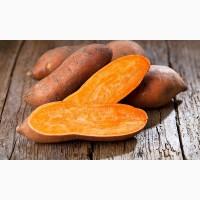
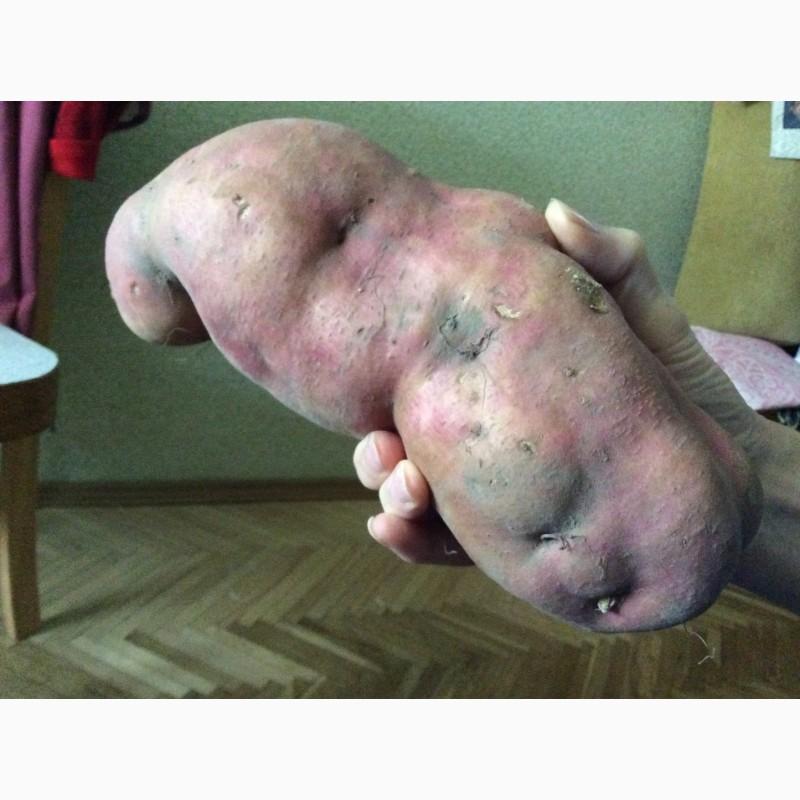
Sweet potatoes, thanks to a wide variety of varieties, have a wide taste and aroma spectrum - from pronounced sweet pumpkin and carrot to floury and nutty. Some varieties of sweet potatoes are close to potatoes in terms of taste neutrality and calorie content - so much so that you can hardly call them "sweet potatoes", but at the same time they have a more delicate taste. Thus, sweet potato in cooking is able not only to serve as a main dish, but also to replace commonly used potatoes as a side dish. Sweet potato dishes in various types are present in a large number of recipes. Sweet potatoes can be fried, baked, boiled. You can make soup,salad, fritters,chips, fry it in a deep fryer, and so on - this root vegetable is truly versatile and more than a full-fledged product in the culinary sense!
Sweet potato is rich in vitamin C, and also has a low glycemic index (almost twice as low, than in ordinary potatoes), and this means that sweet potatoes are a useful product for diabetes. A large amount of vitamin A and antioxidants (beta-carotene in orange varieties of sweet potato, and anthocyanins in purple varieties) prevents skin aging and improves eyesight. The high level of potassium characteristic of this vegetable helps the human body overcome stress.
Sweet potato is rich in vitamin C, and also has a low glycemic index (almost twice as low, than in ordinary potatoes), and this means that sweet potatoes are a useful product for diabetes. A large amount of vitamin A and antioxidants (beta-carotene in orange varieties of sweet potato, and anthocyanins in purple varieties) prevents skin aging and improves eyesight. The high level of potassium characteristic of this vegetable helps the human body overcome stress.
Ad ID: #1187471
(added by registered user)
Permanent Ad Address:
Impressions / views for today: ?, total: ?
Similar recent ads
Among them there are many interesting ones...