Sell / buy
Milk sugar (lactose), Volyn region.
Region:all of Ukraine,
Volyn region.
(Lutsk, Ershova 3)
Lactose is natural a simple carbohydrate or sugar, which is contained only in the milk of mammals. For this reason, it is also called milk sugar. Chemically, lactose is a disaccharide of simple sugars, D-galactose and D-glucose. In other words, a lactose molecule contains one D-galactose molecule chemically bonded to one D-glucose molecule. Thanks to its physiological and functional characteristics, industrially produced lactose is used today in the production of a large number of food products, as well as in the pharmaceutical industry.
Lactose is obtained fromwhey - a by-product of the production ofcheese and casein - by crystallization of a supersaturated solution of whey concentrate. The use of lactose in food products is due, among other things, to its relatively low sweetness - 0.3–0.4 compared to sucrose, its "browning" properties when baking, and its low cost compared to other milk-based ingredients.
Standard uses of lactose in the food industry:
- sweetener in desserts, pastries,confectionery and chocolate(//tractor-service.com)
- coffee whitener, foaming agent
- improves and balances the taste of meat products, spices, soups, sauces and semi-finished products.
- sugar substitute in the production of dairy products
- children's nutrition and medical nutrition
Lactose content in the product - not less than 99.5%, milk fat - not more than 0.2%
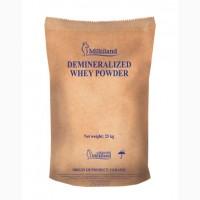
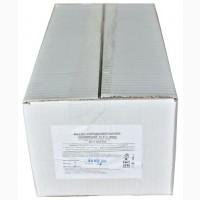
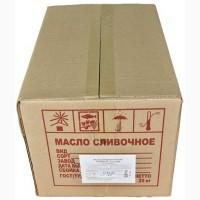
Packaging: paper bag with poly insert, 20 kg net.
Lactose is obtained fromwhey - a by-product of the production ofcheese and casein - by crystallization of a supersaturated solution of whey concentrate. The use of lactose in food products is due, among other things, to its relatively low sweetness - 0.3–0.4 compared to sucrose, its "browning" properties when baking, and its low cost compared to other milk-based ingredients.
Standard uses of lactose in the food industry:
- sweetener in desserts, pastries,confectionery and chocolate(//tractor-service.com)
- coffee whitener, foaming agent
- improves and balances the taste of meat products, spices, soups, sauces and semi-finished products.
- sugar substitute in the production of dairy products
- children's nutrition and medical nutrition
Lactose content in the product - not less than 99.5%, milk fat - not more than 0.2%
Packaging: paper bag with poly insert, 20 kg net.
Ad ID: #988167
(added by a registered user)
Permanent ad address:
Showed / watched for today: ?, total: ?
Similar fresh ads
Among them there are many interesting...