/ Fertilizers and plant protection products / Fungicides / Tebufor - a fungicide for protecting grain crops...

Sell / buy
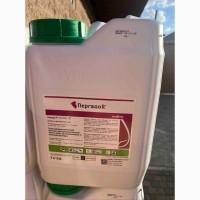
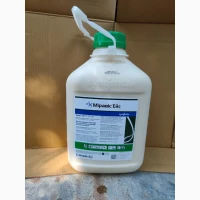
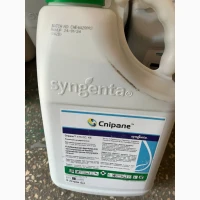
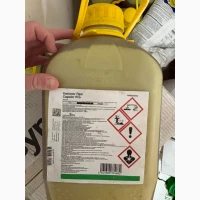
Tebufor - a fungicide for the protection of cereal crops, rapeseed, beetroot from a complex of diseases, Kiev region.
Price7.75$
Region:all Ukraine,
Kiev region.
(Vyshhorodok)
Updated:
Tebufor - Systemic fungicide of a wide spectrum of action for the protection ofcereal crops,rape and sugar beet from a complex of diseases.
Active substance: tebuconazole, 250 g/l
Chemical class: triazoles
Preparative form: emulsion concentrate (KE)
WHO classification: III class (moderately toxic).
Packaging: 10 liter canister, the price is for 1 liter.
Period of protective action: from 14 to 21 days.
Mechanism of action:
the drug has a systemic effect, penetrating the plant, it is quickly distributed through the vascular system and is able to protect the plant for a fairly long period of time - up to three weeks. Tebuconazole inhibits the biosynthesis of ergosterol and other stearins, disrupts the selective permeability of cell membranes of the pathogen, causing its death. Slows down the elongation of growth tubes, cell deformation and mycelium growth.
Properties and benefits of Tebufor:
It has a systemic and long-lasting protective effect.
Penetrates into the plant and quickly spreads through the vascular system, prevents damage to plants by phytopathogens.
Provides excellent control of the main diseases of grain crops.
A good partner for tank mixes with other plant protection products.
When using the drug according to the regulations, it does not cause phytotoxicity.
Disclaimer:
Toxic for bees and fish. When using the drug, it is necessary to observe all safety rules.
Application of the drug Tebufor:
*Wheat winter wheat
Consumption rate: 0.5-1.0 l/ha
Harmful object: types of rust (brown, stem, yellow, dwarf), rhynchosporiosis, powdery mildew, pyrenophorosis, net spot, striped spot, dark brown spot.
Rate of consumption of working fluid: 200-400 l/ha.
Method and time of processing: spraying during the growing season
(//tractor-service.com)
* Barley
Consumption rate: 0.5-1.0 l/ha
Harmful object: types of rust (brown, stem, yellow, dwarf), rhynchosporiosis, powdery mildew, pyrenophorosis, net spot, striped spot, dark brown spot.
Rate of consumption of working fluid: 200-400 l/ha.
Method and time of processing: spraying during the growing season.
* Rapak
Consumption rate: 0.75-1.0 l/ha
Harmful object: fomosis, gray rot, root rot, alternaria, cylindrosporiosis, powdery mildew.
Rate of consumption of working fluid: 200-400 l/ha
Method and time of processing: spraying during vegetation.
* Sugar beet
Consumption rate: 0.2-0.6 l/ha
Harmful object: powdery mildew, cercosporosis, rust
Rate of consumption of working fluid: 200-400 l/ha
Method and time of processing: spraying during the growing season.
World practice of using the active substance in this concentration.
= Oats
Consumption rate: 0.5-1.0 l/ha
Harmful object: crown rust, powdery mildew, red-brown spotting, alternariosis, sclerotiniosis.
Rate of consumption of working fluid: 200-400 l/ha.
Method and time of processing: spraying during the growing season.
= Winter rapeseed
Consumption rate: 0.5-1.0 l/ha
Purpose: as a retardant
Rate of consumption of working fluid: 200-400 l/ha
Processing method and time: spraying after vegetation
Active substance: tebuconazole, 250 g/l
Chemical class: triazoles
Preparative form: emulsion concentrate (KE)
WHO classification: III class (moderately toxic).
Packaging: 10 liter canister, the price is for 1 liter.
Period of protective action: from 14 to 21 days.
Mechanism of action:
the drug has a systemic effect, penetrating the plant, it is quickly distributed through the vascular system and is able to protect the plant for a fairly long period of time - up to three weeks. Tebuconazole inhibits the biosynthesis of ergosterol and other stearins, disrupts the selective permeability of cell membranes of the pathogen, causing its death. Slows down the elongation of growth tubes, cell deformation and mycelium growth.
Properties and benefits of Tebufor:
It has a systemic and long-lasting protective effect.
Penetrates into the plant and quickly spreads through the vascular system, prevents damage to plants by phytopathogens.
Provides excellent control of the main diseases of grain crops.
A good partner for tank mixes with other plant protection products.
When using the drug according to the regulations, it does not cause phytotoxicity.
Disclaimer:
Toxic for bees and fish. When using the drug, it is necessary to observe all safety rules.
Application of the drug Tebufor:
*Wheat winter wheat
Consumption rate: 0.5-1.0 l/ha
Harmful object: types of rust (brown, stem, yellow, dwarf), rhynchosporiosis, powdery mildew, pyrenophorosis, net spot, striped spot, dark brown spot.
Rate of consumption of working fluid: 200-400 l/ha.
Method and time of processing: spraying during the growing season
(//tractor-service.com)
* Barley
Consumption rate: 0.5-1.0 l/ha
Harmful object: types of rust (brown, stem, yellow, dwarf), rhynchosporiosis, powdery mildew, pyrenophorosis, net spot, striped spot, dark brown spot.
Rate of consumption of working fluid: 200-400 l/ha.
Method and time of processing: spraying during the growing season.
* Rapak
Consumption rate: 0.75-1.0 l/ha
Harmful object: fomosis, gray rot, root rot, alternaria, cylindrosporiosis, powdery mildew.
Rate of consumption of working fluid: 200-400 l/ha
Method and time of processing: spraying during vegetation.
* Sugar beet
Consumption rate: 0.2-0.6 l/ha
Harmful object: powdery mildew, cercosporosis, rust
Rate of consumption of working fluid: 200-400 l/ha
Method and time of processing: spraying during the growing season.
World practice of using the active substance in this concentration.
= Oats
Consumption rate: 0.5-1.0 l/ha
Harmful object: crown rust, powdery mildew, red-brown spotting, alternariosis, sclerotiniosis.
Rate of consumption of working fluid: 200-400 l/ha.
Method and time of processing: spraying during the growing season.
= Winter rapeseed
Consumption rate: 0.5-1.0 l/ha
Purpose: as a retardant
Rate of consumption of working fluid: 200-400 l/ha
Processing method and time: spraying after vegetation
|
Shop, contacts | |
Yuriy / отзывы, инфо. / evaluation activities | |
|
Telephone:
+38(xxxxxx
show
| |
All user ads ~1000 | |
Ad ID: #986293
(added by a registered user, registration date: 10-08-2016)
Added / Updated: 28-09-2026 11:45 (current, until: 09-28-2027)
Permanent ad address:
Showed / watched for today: ?, total: ?
Similar ads
Among them there are many interesting ones...