For sale / buy
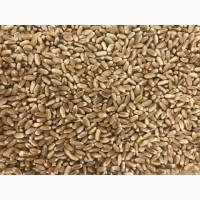
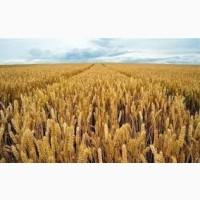
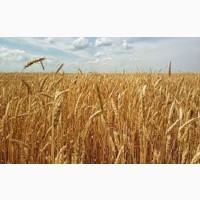
Seeds of durum wheat CASIOPEIA, Kharkiv region.
Price18,000 UAH. / ton
Region:all of Ukraine,
Kharkiv region.
(Kharkiv)
Updated:
Grain purpose: Sowing material
Quantity: 200 tons
Cassiopeia
Winter hardwheat
The variety was included in the State Register of plant varieties in 2009 for the Steppe and Forest Steppe zone.
Origin Individual selection for complex valuable biological and economic traits of plants from a heterogeneous population of Hordeiforme 735/89.
(//tractor-service.com)
Biological signs. Hordeiform variety. The plants are 78-79 cm tall. The ear is 6-7 cm long. The spines are jagged, reddish in color. The grain is white. Vegetation period 270–278 days.
It differs in complex resistance to various fungal diseases. Frost and winter resistance is high (8.6 points), drought resistance is high (8.2 points). Resistance to precipitation is 8.5-9.0 points. Resistance to lying 8.5 - 8.8 points.
Economically useful properties. High-yielding variety. The yield in the competitive variety test is 70–75 t/ha. The average yield over the years of testing in the Steppe zone is 59.7 t/ha. It meets all the requirements of the standard of high-quality durum wheat grain for the production of high-grade pasta products. The nature of the grain is 810 g/l. The gluten content is 40.3%, the protein in the grain is 13.5–14.5%. The overall quality score of pasta is 8.0–8.5 points.
Agrotechnical requirements. It is recommended to grow according to the best predecessors (black and occupied pairs,legumes, perennial and annual grasses). The best time for sowing in the steppe zone is September 20–25. The optimal sowing rate is 4.5–5.0 million incoming grains per hectare, at later dates the rate should be increased to 5.5–6.0 million/ha.
Winter hardwheat
The variety was included in the State Register of plant varieties in 2009 for the Steppe and Forest Steppe zone.
Origin Individual selection for complex valuable biological and economic traits of plants from a heterogeneous population of Hordeiforme 735/89.
(//tractor-service.com)
Biological signs. Hordeiform variety. The plants are 78-79 cm tall. The ear is 6-7 cm long. The spines are jagged, reddish in color. The grain is white. Vegetation period 270–278 days.
It differs in complex resistance to various fungal diseases. Frost and winter resistance is high (8.6 points), drought resistance is high (8.2 points). Resistance to precipitation is 8.5-9.0 points. Resistance to lying 8.5 - 8.8 points.
Economically useful properties. High-yielding variety. The yield in the competitive variety test is 70–75 t/ha. The average yield over the years of testing in the Steppe zone is 59.7 t/ha. It meets all the requirements of the standard of high-quality durum wheat grain for the production of high-grade pasta products. The nature of the grain is 810 g/l. The gluten content is 40.3%, the protein in the grain is 13.5–14.5%. The overall quality score of pasta is 8.0–8.5 points.
Agrotechnical requirements. It is recommended to grow according to the best predecessors (black and occupied pairs,legumes, perennial and annual grasses). The best time for sowing in the steppe zone is September 20–25. The optimal sowing rate is 4.5–5.0 million incoming grains per hectare, at later dates the rate should be increased to 5.5–6.0 million/ha.
|
Author, contacts | |
ТОV Haskom Trade / отзывы, инфо. / оценка activities | |
|
Telephone:
+38(xxxxxx
show
| |
| http://www.khaskom.com.ua | |
All user ads ~599 | |
Ad ID: #936649
(added by a registered user, registration date: 12-28-2016)
Added/Updated: 09-28-2026 08:08 (current, until: 09-28-2027)
Permanent ad address:
Showed / watched for today: ?, total: ?
Similar ads
Among them there are many interesting...