Sell / buy
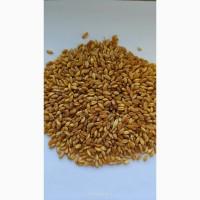
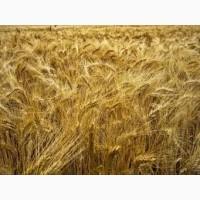
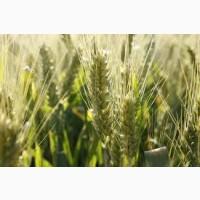
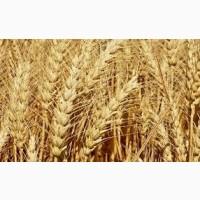
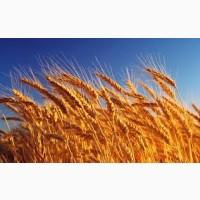
Drum wheat (dvoruchka) seeds for sowing, Kiev region.
Price10 UAH.
Region:all Ukraine,
Kievskaya region.
Updated:
Grain purpose: Seed material
Quantity: 100 tons
Durum durum wheat is a special type of durum wheat (Triticum durum), which combines the properties of spring and winter forms. It has a unique ability to adapt to different sowing times (both in autumn and in spring), which makes it a promising crop for modern agriculture in conditions of climate change.
Main characteristics:
Biological features:
It has a powerful root system that provides resistance to drought.
The stem is strong, resistant to lodging.
The grain is dense, rich in protein (14–16%) and gluten, ideal for the production of high-quality pasta.
Agrotechnical advantages:
Flexibility: the possibility of sowing in autumn (as winter) or in spring (as spring).
Stress resistance: tolerates drought, frost and adverse conditions well.
Yield: depending on the technology, it can be 6–8 t/ha.(//tractor-service.com)
Qualitygrains:
Meets high standards for durum wheat:large grain, high content of carotenoids (yellow shade), optimal technological properties.
Fields of use:
Production of pasta, couscous, bulgur.
Qualityfodder for animals.
Raw materials for the food industry.
Why should you grow durum wheat?
Risk reduction: flexible sowing dates allow you to avoid losses due to adverse weather.
Economic benefit: high demand for durum wheat grain on the world market.
Stability: yield is ensured even on infertile soils.
Main characteristics:
Biological features:
It has a powerful root system that provides resistance to drought.
The stem is strong, resistant to lodging.
The grain is dense, rich in protein (14–16%) and gluten, ideal for the production of high-quality pasta.
Agrotechnical advantages:
Flexibility: the possibility of sowing in autumn (as winter) or in spring (as spring).
Stress resistance: tolerates drought, frost and adverse conditions well.
Yield: depending on the technology, it can be 6–8 t/ha.(//tractor-service.com)
Qualitygrains:
Meets high standards for durum wheat:large grain, high content of carotenoids (yellow shade), optimal technological properties.
Fields of use:
Production of pasta, couscous, bulgur.
Qualityfodder for animals.
Raw materials for the food industry.
Why should you grow durum wheat?
Risk reduction: flexible sowing dates allow you to avoid losses due to adverse weather.
Economic benefit: high demand for durum wheat grain on the world market.
Stability: yield is ensured even on infertile soils.
|
Author, contacts | |
Serhiy / отзывы, инфо. / estimate of activity | |
|
Phone:
0950xxxxxx
show
| |
All user ads ~91 | |
Ad ID: #1360431
(added by a registered user, registration date: 10-11-2025)
Added/Updated: 09-23-2026 09:47 (current, until: 09-23-2027)
Permanent ad address:
Showed / watched for today: ?, total: ?
Similar ads
Among them there are many interesting...