For sale / buy
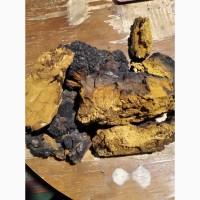
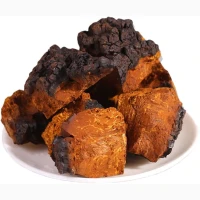
Birch tinker, Zhytomyr region.
Price50 UAH.
Region:all of Ukraine,
Zhytomyr region.
(Olevsk)
Updated:
TRUTOVIK birch
Useful properties
Even in ancient times, people discovered that the pulp of tinder trees has an antiseptic, hemostatic and antitumor effect. However, their pharmacological value was proven only in the middle of the 19th century (in the course of numerous laboratory studies). Thus, one of the achievements of modern medicine was the discovery of the polysaccharide lanophila, which is contained in the fruiting bodies of tinder plants. This substance has a powerful hepatoprotective effect on the body, as a result of which the secretion of bile increases and the structure of the liver tissue is restored. Considering this, the product is used in dietary schemes to stimulate weight loss, correct functional disorders and normalize metabolism. - Binds heavy metal ions, removes carcinogens and radionuclides from the body. - Expands coronary arteries, reduces the risk of heart ischemia, has a cardiotonic effect on the myocardium.
-Strengthens cerebral blood circulation, improves memory, prevents tissue hypoxia. - Disinfects organs of the genitourinary system, suppresses the growth of pathogenic flora.
-Improves fat metabolism, prevents sticking of "bad" cholesterol on vessel walls.
- Activates natural anti-cancer immunity, strengthens the body's resistance to bacterial and viral infections. - Contributes to soft bowel movements.
- Stimulates the synthesis of immunoglobulins, reduces the intensity of the manifestation of allergies. -Improves the functional state of the pancreas, stabilizes the blood sugar level.(//tractor-service.com)
- Stimulates the production of endorphins, improves mood, increases the resistance of the nervous system to psycho-emotional stress.
Indications for use tinder (as prescribed by a doctor):
- pathologies of the cardiovascular system (hypertension, ischemia, thrombosis, atherosclerosis, thrombophlebitis, obliterating endarteritis, stroke, heart failure, heart attack); -respiratory diseases (bronchitis, pneumonia, tracheitis, pleurisy);
- malignant and benign neoplasms (cancer, melanoma, sarcoma, polyps, pituitary adenoma, cysts, mastopathy); - autoimmune dysfunctions (allergic reactions, neurodermatitis, systemic lupus erythematosus, hay fever, thyroiditis, multiple sclerosis, scleroderma, bronchial asthma);
- dermatological diseases (atopic dermatitis, eczema, psoriasis);
- liver pathologies (viral hepatitis, cirrhosis, hepatosis, dystrophy);
- nervous disorders (neurasthenia, depression, chronic fatigue syndrome, epilepsy).
- pathologies of the digestive tract (dysbacteriosis, gastritis, ulcer, constipation); alcoholism.
Useful properties
Even in ancient times, people discovered that the pulp of tinder trees has an antiseptic, hemostatic and antitumor effect. However, their pharmacological value was proven only in the middle of the 19th century (in the course of numerous laboratory studies). Thus, one of the achievements of modern medicine was the discovery of the polysaccharide lanophila, which is contained in the fruiting bodies of tinder plants. This substance has a powerful hepatoprotective effect on the body, as a result of which the secretion of bile increases and the structure of the liver tissue is restored. Considering this, the product is used in dietary schemes to stimulate weight loss, correct functional disorders and normalize metabolism. - Binds heavy metal ions, removes carcinogens and radionuclides from the body. - Expands coronary arteries, reduces the risk of heart ischemia, has a cardiotonic effect on the myocardium.
-Strengthens cerebral blood circulation, improves memory, prevents tissue hypoxia. - Disinfects organs of the genitourinary system, suppresses the growth of pathogenic flora.
-Improves fat metabolism, prevents sticking of "bad" cholesterol on vessel walls.
- Activates natural anti-cancer immunity, strengthens the body's resistance to bacterial and viral infections. - Contributes to soft bowel movements.
- Stimulates the synthesis of immunoglobulins, reduces the intensity of the manifestation of allergies. -Improves the functional state of the pancreas, stabilizes the blood sugar level.(//tractor-service.com)
- Stimulates the production of endorphins, improves mood, increases the resistance of the nervous system to psycho-emotional stress.
Indications for use tinder (as prescribed by a doctor):
- pathologies of the cardiovascular system (hypertension, ischemia, thrombosis, atherosclerosis, thrombophlebitis, obliterating endarteritis, stroke, heart failure, heart attack); -respiratory diseases (bronchitis, pneumonia, tracheitis, pleurisy);
- malignant and benign neoplasms (cancer, melanoma, sarcoma, polyps, pituitary adenoma, cysts, mastopathy); - autoimmune dysfunctions (allergic reactions, neurodermatitis, systemic lupus erythematosus, hay fever, thyroiditis, multiple sclerosis, scleroderma, bronchial asthma);
- dermatological diseases (atopic dermatitis, eczema, psoriasis);
- liver pathologies (viral hepatitis, cirrhosis, hepatosis, dystrophy);
- nervous disorders (neurasthenia, depression, chronic fatigue syndrome, epilepsy).
- pathologies of the digestive tract (dysbacteriosis, gastritis, ulcer, constipation); alcoholism.
|
Shop, contacts | |
Vadim Vasyliovych / отзывы, инфо. / evaluation activities | |
|
Phone:
+380xxxxxx
show
| |
All user ads ~23 | |
Ad ID: #1336576
(added by a registered user, registration date: 11-10-2020)
Added/Updated: 07-10-2026 09:45 (relevant, until: 10-07-2027)
Permanent ad address:
Showed / watched for today: ?, total: ?
Similar ads
Among them there are many interesting ones...