/ Fertilizers and plant protection products / Rodenticides / Biological rodenticide for the destruction of rodents...

Sell / buy
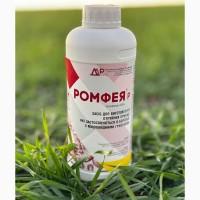
Biological rodenticide for the destruction of rodents Rutter Enzym Agro, container 5 l, Vinnytsia region.
Price2100 UAH.
Region:all of Ukraine,
Vinnytsia region.
(Bershad)
Updated:
Rutter is a biological rodenticide.
The active ingredient is Salmonella enteritidis var. lssatschenko, with a titer of at least 2.0x10⁹ CFU/ml.
Preparative form of Liquid.
Packaging 1 L, 5 L, 10 L
Storage conditions Store the drug at t° from +2 °C to +10 °C in a dry place protected from direct sunlight.
Shelf life 3 months
Rutter is a biological rodenticide for the destruction of mouse-like rodents: common vole, tawny vole, water vole, Eastern European vole, house vole, house mouse, mound mouse, wood mouse, baby mouse.
TYPE OF PROCESSING
NAME OF THE PEST
CONTRIBUTION RATE
Agricultural lands -
crops, hayfields, pastures,
gardens, etc.
common vole, red vole,
Eastern European vole,
house vole, mouse(//tractor-service.com)
domova, mound mouse,
forest mouse, baby mouse
For making charms
0.15 - 0.25 l/ha of the drug
(2-3 g of ready bait for
kidney or 1.5 - 2.5 kg/ha of ready-made.
charms depending on
population size)
0.5 - 2.0 g of ready bait per m2
Working premises,
livestock farms, warehouses
METHOD OF PREPARING GRAIN BAIT
Pour the necessary amount of grain (wheat, rye, barley,oats etc.) into a separate container, add the liquid preparation at the rate of 1 l/10 kg of grain and mix evenly.
MECHANISM OF ACTION
Bacteria in the composition of the drug cause epizootic disease among mouse-like rodents. The drug has clear selective pathogenicity. When eating the bait, rodents die within 5-14 days. Being in close contact with each other, mice quickly spread the deadly disease among healthy individuals, which increases the effectiveness of the drug. The epizootic spreads from the place of application of the drug in a radius of up to 1.5 km and lasts up to six months.
FEATURES OF USE
• Recommended for use on agricultural land (crops, hayfields, pastures, gardens), forest strips, farms, warehouses, etc.
• The drug is used in autumn, winter and early spring at air temperatures from +10°C to minus 25°C.
• At temperatures from +25°С to +30°С, the duration of the protective action decreases rapidly.
• Bacteria do not cause allergic reactions, do not accumulate in the soil, water bodies and in the harvested crops.
• Safe for people and the environment, not harmful to domestic animals and poultry.
The active ingredient is Salmonella enteritidis var. lssatschenko, with a titer of at least 2.0x10⁹ CFU/ml.
Preparative form of Liquid.
Packaging 1 L, 5 L, 10 L
Storage conditions Store the drug at t° from +2 °C to +10 °C in a dry place protected from direct sunlight.
Shelf life 3 months
Rutter is a biological rodenticide for the destruction of mouse-like rodents: common vole, tawny vole, water vole, Eastern European vole, house vole, house mouse, mound mouse, wood mouse, baby mouse.
TYPE OF PROCESSING
NAME OF THE PEST
CONTRIBUTION RATE
Agricultural lands -
crops, hayfields, pastures,
gardens, etc.
common vole, red vole,
Eastern European vole,
house vole, mouse(//tractor-service.com)
domova, mound mouse,
forest mouse, baby mouse
For making charms
0.15 - 0.25 l/ha of the drug
(2-3 g of ready bait for
kidney or 1.5 - 2.5 kg/ha of ready-made.
charms depending on
population size)
0.5 - 2.0 g of ready bait per m2
Working premises,
livestock farms, warehouses
METHOD OF PREPARING GRAIN BAIT
Pour the necessary amount of grain (wheat, rye, barley,oats etc.) into a separate container, add the liquid preparation at the rate of 1 l/10 kg of grain and mix evenly.
MECHANISM OF ACTION
Bacteria in the composition of the drug cause epizootic disease among mouse-like rodents. The drug has clear selective pathogenicity. When eating the bait, rodents die within 5-14 days. Being in close contact with each other, mice quickly spread the deadly disease among healthy individuals, which increases the effectiveness of the drug. The epizootic spreads from the place of application of the drug in a radius of up to 1.5 km and lasts up to six months.
FEATURES OF USE
• Recommended for use on agricultural land (crops, hayfields, pastures, gardens), forest strips, farms, warehouses, etc.
• The drug is used in autumn, winter and early spring at air temperatures from +10°C to minus 25°C.
• At temperatures from +25°С to +30°С, the duration of the protective action decreases rapidly.
• Bacteria do not cause allergic reactions, do not accumulate in the soil, water bodies and in the harvested crops.
• Safe for people and the environment, not harmful to domestic animals and poultry.
|
Shop, contacts | |
Albina Osadchuk / отзывы, инфо. / оценка октивник | |
|
Phone:
+380xxxxxx
show
| |
| Telegram: shopfarmer | |
| https://shop-farmer.com.ua/ | |
| facebook.com/share/14YZNtT4ZMM/?mibextid=wwXIfr | |
| instagram.com/_shop_farmer | |
Ad ID: #1312182
(added by a registered user, registration date: 06-25-2023)
Added / Updated: 08-11-2026 16:44 (current, until: 11-08-2027)
Permanent ad address:
Showed / watched for today: ?, total: ?
Similar ads
Among them there are many interesting ones...