For sale / buy
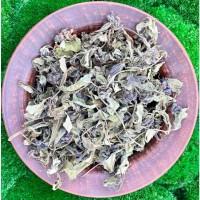
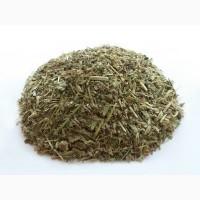
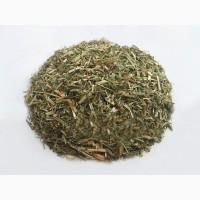
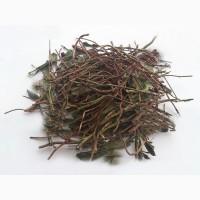
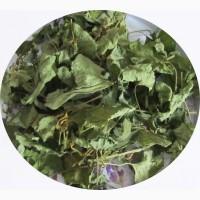
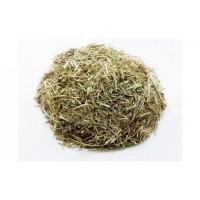
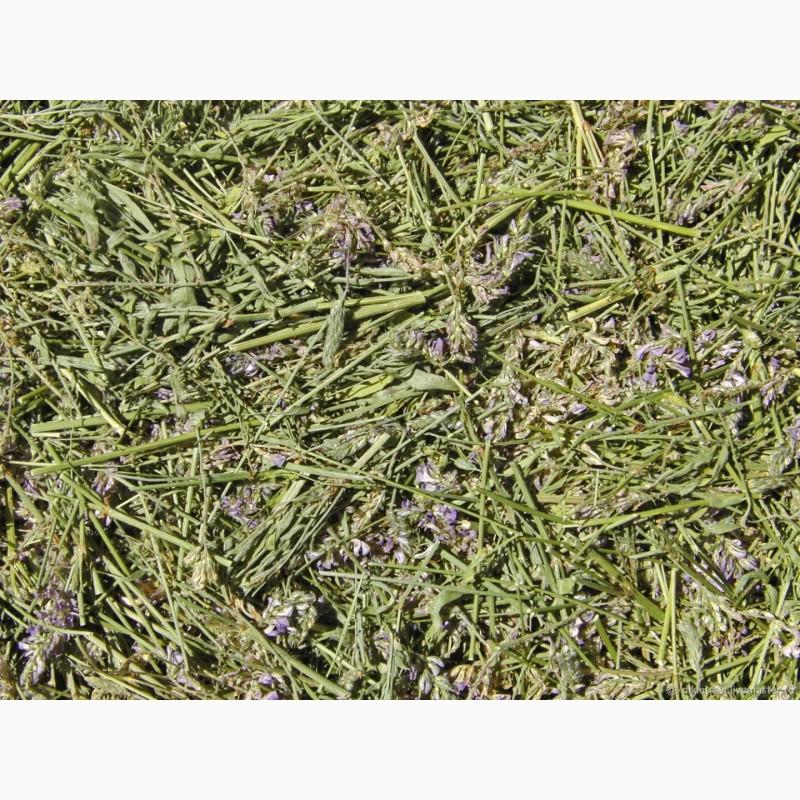
Espars (herb) 1 kg, Kharkov region.
Region:all Ukraine,
Kharkov region.
(Kharkov)
Updated:
Asparagus is cultivated as a fodder plant. Its composition contains a large amount of protein, as well as fats, carbohydrates and amino acids. This culture has a high value in animal husbandry, it is sown for the purpose of obtaining grass flour and hay for livestock feed. Most zootechnicians prefer safflower to alfalfa, because food prepared on its basis has a positive effect on the condition of animals. The flavones, nitrogen-free compounds, ascorbic acid and rutin that make up the plant make it possible to talk about safflower as a medicinal plant. Nitrogen-free compounds help reducesugar level and cholesterol in the blood, normalize the activity of the gastrointestinal tract, stimulate intestinal peristalsis and improve the absorption of nutrients that come with food. Ascorbic acid significantly increases immunity, strengthens the CNS (central nervous system), normalizes metabolism. Amino acids, being the "building material" of the body, help people to recover from diseases, regain strength after heavy physical exertion, are useful for athletes who have a high energy expenditure during training. Flavones, which are part of the plant, have an anti-inflammatory effect, they have a positive effect on cardiovascular and oncological diseases, and strengthen the walls of blood vessels. Asparagus seeds contain sucrose, raffinose, fattyoils with solid fatty acids. In addition, there is vitamin P (rutin) in the composition of asparagus. Vitamin P cannot be produced by the human body on its own, so it must be consumed with food or herbal decoctions. Preparations prepared on the basis of saffron promote the production of hormones that increase sexual activity in men - testosterone and androgens. For treatment, not only infusions and decoctions of this plant are used, but also medicinal preparations produced by a number of pharmaceutical companies. These drugs significantly improve the quality of erection. In folk medicine, saffron is recommended as an immunoenhancing agent that increases the body's resistance to various infectious diseases, it is also used to treat impaired functioning of the gonads (menstrual cycle disorder in women, impotence in men), and is prescribed for the treatment of diabetes mellitus. Infusions and decoctions of saffron contribute to lowering the level of cholesterol in the blood, increase hemoglobin. Infusions and decoctions are used as an effective tonic agent, as well as an effective medicine for uterine bleeding. Esparcet is an important component of a number of drugs developed for the treatment of ovarian dysfunction in women, algodysmenorrhea (menstrual pain), juvenile bleeding, and premenopause.
|
Author, contacts | |
Юлия / отзывы, инфо./ activity evaluation | |
|
Phone:
+38(xxxxxx
show
| |
| Viber: 380672594366 | |
All user ads ~206 | |
Ad ID: #1115897
(added by a registered user, registration date: 04-30-2021)
Added / Updated: 09-02-2026 18:42 (relevant, until: 02-09-2027)
Permanent ad address:
Showed / watched for today: ?, total: ?
Similar ads
Among them there are many interesting ones...