For sale / buy
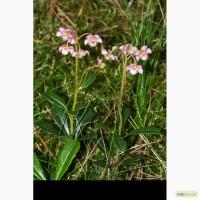
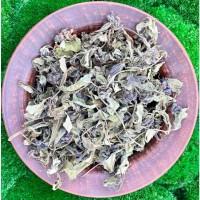
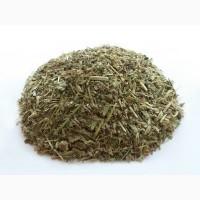
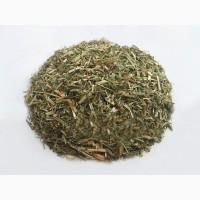
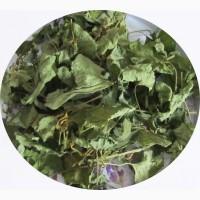
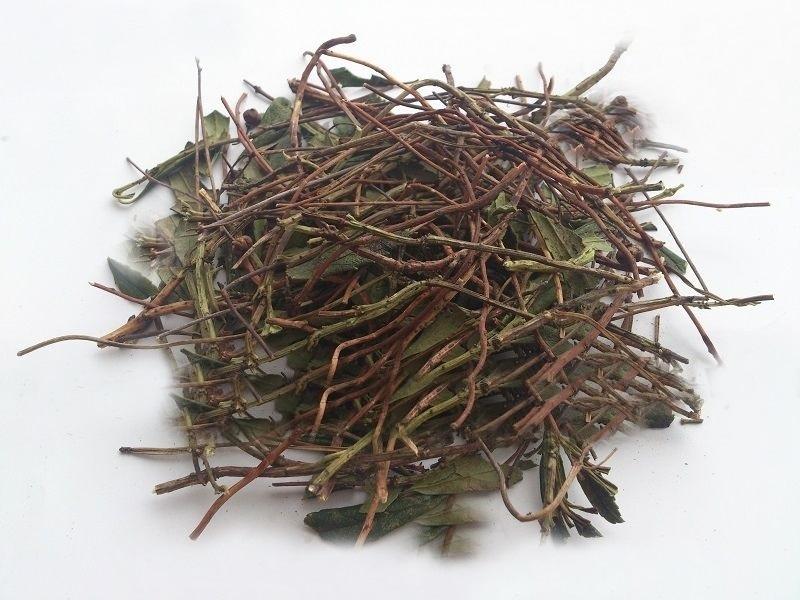
Zimolyubka (grass) 1 kg, Kharkiv region.
Region:all Ukraine,
Kharkov region.
(Kharkiv)
Updated:
Umbrella grass and leaves have many medicinal properties: diuretic, hemostatic, antibacterial, diuretic and many others. This plant is used for diseases of the genitourinary system: nephritis and pyelonephritis, cystitis, gonorrhea, urethritis, prostatitis, hematuria and albuminuria. Wintergreen also treats kidney stones, bladder catarrh, hepatitis, gastritis, colitis, cholecystitis, stomach ulcer, enterocolitis, constipation, ascites, and diarrhea. Externally, preparations of this herb are used to accelerate the healing of burns, blisters, ulcers, and other skin diseases, as well as gout, rheumatism, and toothache. They are also used in the treatment of edema, diabetes, tuberculosis, and all kinds of bleeding. The wintergreen plant is almost not used by official medicine, however, the umbrella wintergreen has found widespread use in folk medicine. As a wound-healing and toning agent, it was widely used several centuries ago. It is used both externally and internally, first of all as an independent remedy, sometimes combined with other methods of treatment. Parts of wintergreen are rich in flavonoids: hyperin, kaempferol, avicularin and quercetin can be found in this herb. Also, the composition of the herb includes tannins, methyl esters, glycoside arbutin, urozone, resins and sitosterol.
|
Author, contacts | |
Юлия / отзывы, инфо. / evaluation activities | |
|
Phone:
+38(xxxxxx
show
| |
| Viber: 380672594366 | |
All ads user ~206 | |
Ad ID: #1115549
(added by a registered user, registration date: 04-30-2021)
Added / Updated: 02-09-2026 18:42 (relevant, until: 02-09-2027)
Permanent ad address:
Showed / watched for today: ?, total: ?
Similar ads
Among them there are many interesting...