For sale / buy
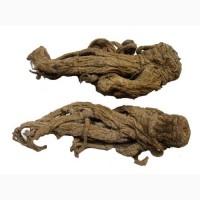
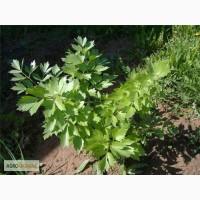
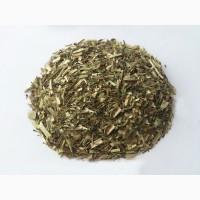
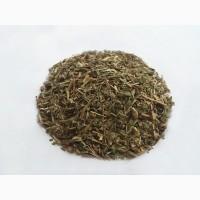
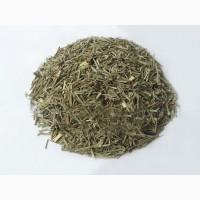
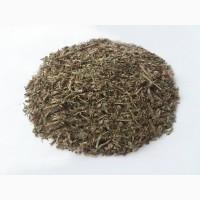
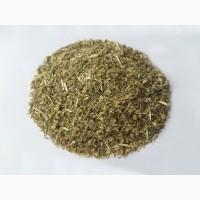
Lupine (herb) 1kg, Kharkiv region.
Region:all Ukraine,
Kharkov region.
(Kharkiv)
Updated:
Special purpose and application. The lovage acts as a diuretic due toessential oil, which is contained in the root up to 1%. However, the root is only very rarely used by itself. Usually it serves as a valuable component of diuretic tea mixtures. Sometimes the root or grass of the lovage is part of gastric or blood-cleansing teas - either because of their action, or because of the pleasant aroma that even small amounts of them give to these teas. The State Health Service of Germany lists only indigestion (belching, heartburn, and a feeling of fullness) as an indication, while inflammation of the ureters and kidneys, as well as renal failure, are contraindications. Application in folk medicine. In folk medicine, this plant (mainly the root) has found a safe haven. Here it is extremely highly valued and has been used since ancient times for stomach ailments associated with impaired digestion, bladder and kidney diseases, rheumatism and gout pain, menstrual cycle disorders, and migraines. The chemical composition of lovage is represented by essential oil, terpineol, tannins and mineral substances, vitamins of all groups, cineol, carvaclol, serviterpenes and organic acids. Butylphthalide and ligustilide give ego a specific smell. The plant strengthens the immune system, stimulates digestion and activates the secretion of gastric juice. It has a calming effect, which is why it is used to treat insomnia and migraines.
|
Author, contacts | |
Юлия / отзывы, инфо./ evaluation activities | |
|
Telephone:
+38(xxxxxx
show
| |
| Viber: 380672594366 | |
All ads of the user ~206 | |
Ad ID: #1115671
(added by a registered user, registration date: 04-30-2021)
Added / Updated: 09-02-2026 18:42 (current, until: 02-09-2027)
Permanent ad address:
Showed / watched for today: ?, total: ?
Similar ads
Among them there are many interesting...