Sell / buy
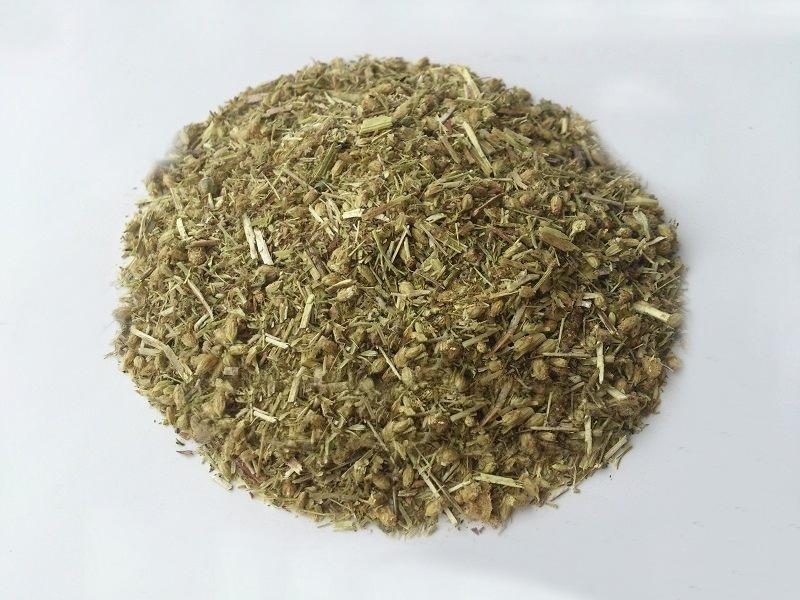
Yarrow (herb) 1kg, Kharkiv region.
Region:all Ukraine,
Kharkovskaya region.
(Kharkiv)
Updated:
Yarrow herb common is an excellent remedy for the treatment of peptic ulcer disease of the stomach and duodenum, colitis, diarrhea, dysentery, hepatitis, angiocholitis and cholecystitis. With the help of this tool, they fight diseases of the urinary tract: urethritis, cystitis, pyelonephritis, glomerulonephritis, as well as cholelithiasis. External use of yarrow saves from many skin diseases: rashes, diathesis, blackheads, furunculosis, scabies, eczema, non-healing wounds and ringworm. Also, the herb has a calming effect on neurasthenia and hysteria. Hemostatic properties of yarrow are useful in the treatment of bleeding, external and internal. The use of this plant is indicated for such diseases as metabolic disorders and diabetes mellitus and obesity, as well as malaria, enuresis, hemorrhoids, fibromyomas, tuberculosis, disorders of lactation and the menstrual cycle, and inflammatory diseases of the oral cavity. Yarrow is used for decorative purposes as a garden plant, thanks to which a huge number of varieties of this herb have been bred today. Yarrow also repels insects, which is why it is used as an insecticide. It is no less popular in cooking, where it is used as an additive to many vegetable dishes, soups, sauces, and alcoholic beverages. Yarrow has also been used in medicine, where its healing, hemostatic, anti-inflammatory, antibacterial, and soothing properties are valued. In the above-ground part of yarrow, components such as alkaloids, carotene, tannins, vitamins, ascorbic, acetic, formic, and isovaleic acids are commonly found. It also contains sesquiterpenes, resins, etherealoil, camphor, thujone, cineol and complex esters, as well as potassium, calcium, magnesium, iron, copper, manganese and some other useful microelements.
|
Author, contacts | |
Юлия / отзывы, инфо. / Estimation of activity | |
|
Telephone:
+38(xxxxxx
show
| |
| Viber: 380672594366 | |
All ads user ~206 | |
Ad ID: #1115842
(added by a registered user, registration date: 04-30-2021)
Added / Updated: 09-02-2026 18:42 (relevant, until: 02-09-2027)
Permanent ad address:
Showed / watched for today: ?, total: ?