Sell / buy
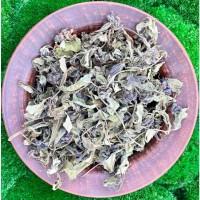
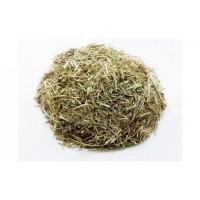
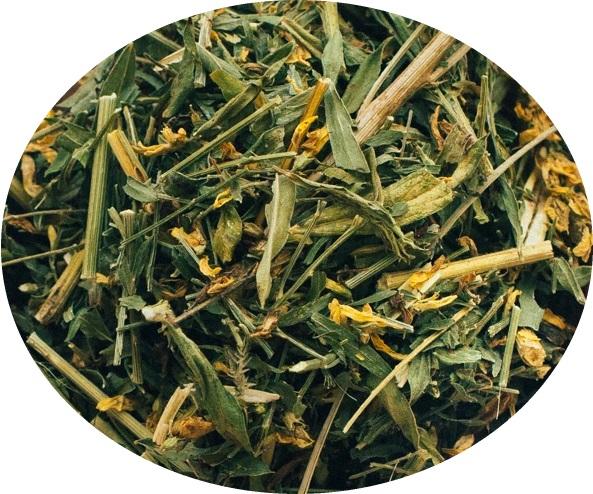
Drok krasilny (herb) 1kg, Kharkiv region.
Region:all Ukraine,
Kharkov region.
(Kharkiv)
Updated:
Medicinal raw material is the aerial part of the gorse, which is harvested during the flowering period and loosely packed in baskets. They are dried in the shade under canopies, in well-ventilated rooms or in dryers at a temperature of 45-50 °C. The shelf life of the raw material is 1 hour. Medicinal properties of gorse dye The plant has hemostatic, diuretic, diaphoretic, laxative, choleretic, tonic and sedative properties. The strong vasodilating and antibacterial effect of the infusion of the aerial part is noted. The use of gorse dye in medicine Roots. In folk medicine - for jaundice, malaria, heart failure, thyroid gland diseases, uterine bleeding; as a diuretic in nephritis and edema of cardiac origin; as a means that promotes the removal of chlorides from the body, with salt diathesis, constipation; as well as in the composition of mixtures for the treatment of nephritis, gout, arthritis, rheumatism. Aerial part. In homeopathy in its fresh form, the essence is antibacterial. In traditional medicine, decoction, infusion - for edema of cardiac and renal origin, hepatitis, rheumatism, gout, cysts, furunculosis, dermatomycosis, allergic dermatitis, scrofula, migraine, salt deposits, for ascites, asthenia, for venereal diseases, bone fractures, rickets, hypotension, thyroid diseases. In Ukraine - for bronchial asthma. recommended for diuretic collections in urological and neurological diseases, externally - for gargling.
|
Author, contacts | |
Юлия / отзывы, инфо. / evaluation activities | |
|
Telephone:
+38(xxxxxx
show
| |
| Viber: 380672594366 | |
All ads of the user ~206 | |
Ad ID: #1115533
(added by a registered user, registration date: 04-30-2021)
Added / Updated: 09-02-2026 18:42 (relevant, until: 02-09-2027)
Permanent ad address:
Showed / watched for today: ?, total: ?
Similar ads
Among them there are many interesting ones...