Продам / купить
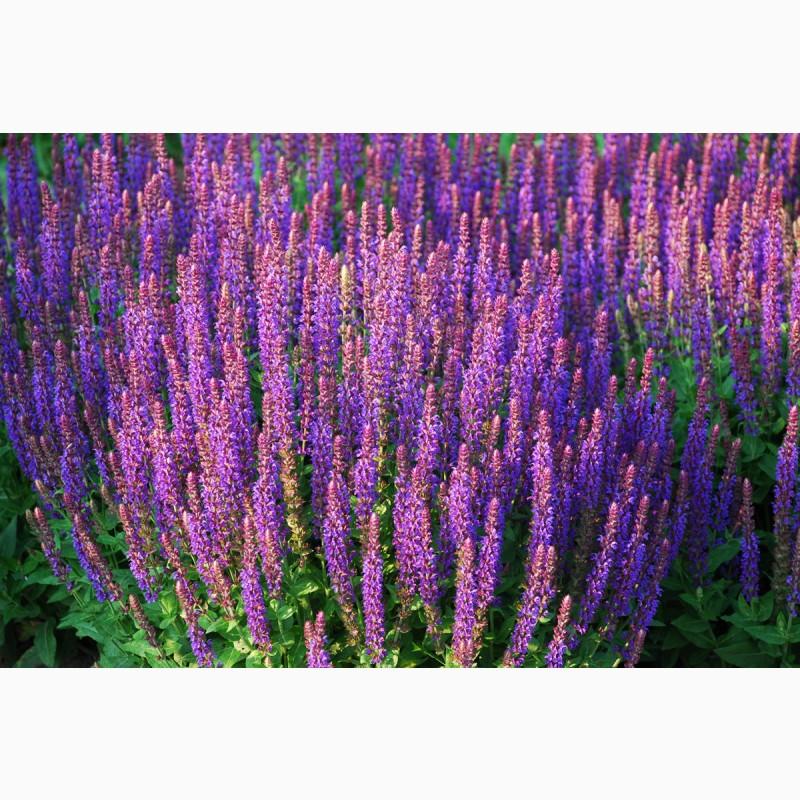
Шалфей дубравный Negrito, Днепропетровская обл.
Цена30 грн.
Регион: all of Ukraine,
Dnepropetrovsk region.
(Kryvyi Rih)
Updated:
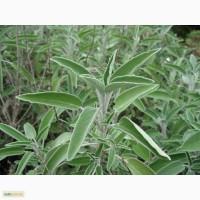
Sage oak - a perennial decorative plant for a sunny garden.
Description: One of the darkest varieties of sage with violet-lilac flowers rising above dense green foliage. Forms a compact low bush. It blooms continuously for more than two months, from June to September,
1. Antimicrobial action.
2. Reduces sweating and normalizes the work of the sebaceous glands.
3. Stimulates the work of the gastrointestinal tract,
4. Improves memory.
5. Sedative effect
6. Increases the reproductive function of both men and women.
7. Sage infusion is an effective pain reliever. It helps with angina, toothache, as well as inflammation of the gums. The recipe for preparing the infusion is extremely simple: one spoonful of dry young sage leaves is poured with a glass of boiling water and left to infuse at room temperature for 1 hour.
8. Sage leaves are used to treat wounds, eczema, abscesses due to its bactericidal properties. With various types of damage, the leaves of young sage are used only externally.
9. strengthening of the nervous system;
10. regulation of sweating;
11. treatment of angina, stomatitis, urolithiasis, persistent cough, tachycardia, rheumatism;
12. strengthening of immunity and activation of antiviral protection;
13. normalization of blood pressure..
14. The persistent and pleasant scent of sage has long been used by perfumers to create exclusive compositions. In aromatherapy, the plant is known for its relaxing, calming and antispasmodic effect.
15. Sage is used in aromatherapy to relieve migraine headaches, improve mood, remove nervous tension, and cope with seasonal depression.
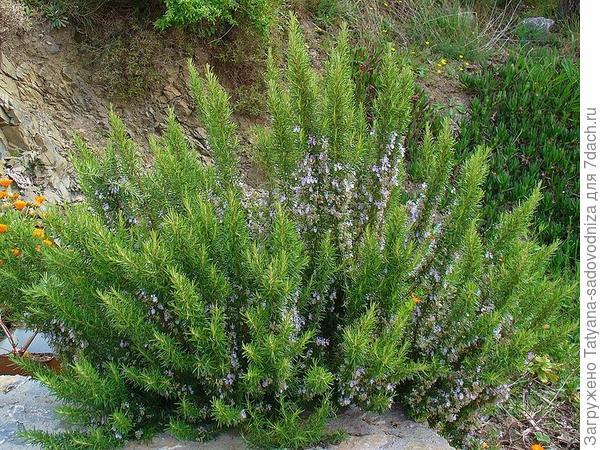
Rosemary is a wonderful spicy aromatic plant, one of which is medicinal rosemary. In addition to its use as a spicy green, it is very decorative. This evergreen shrub with thin, needle-like leaves grows wild on the Mediterranean coast. During flowering, it is covered with lovely lilac flowers. In translation, "rosemary" means "sea freshness". The ancient Romans called it sea dew, believing that coastal waves give its delicate flowers such a shade.
Rosemary: chemical composition
The plant is very rich in various elements that are valuable for our body.
• Macroelements: calcium, potassium, magnesium, phosphorus, sodium.
• Microelements: iron, copper, zinc, selenium, manganese.
• Vitamins: A, E, C, PP, B.
• Lauric acid - strengthens the immune system, helps the formation of "good" cholesterol, has an antiviral effect.
• Caprylic acid – has an antimicrobial and antibacterial effect.
• Palmitic acid – gives health to our skin, promotes moisture retention in dermis cells, relieves itching, inflammation, and irritation.(//tractor-service.com)
• Linoleic acid – participates in many metabolic processes in the body. A healthy metabolism is impossible without it.
• Myristic acid – is a conductor of vitamins and elements into ourcells.
• Oleic acid - gives us vigor, energy and good health.
• Isoleucine is responsible for the level of glucose in the blood and our hemoglobin.
• Valine is responsible for nitrogen metabolism in our tissues.
• Lysine - promotes tissue recovery and regeneration, improves calcium absorption, cleans blood vessels.
• Tryptophan - acts as an antidepressant, takes part in many metabolic processes.
• Threonine – promotes the production of collagen and elastin, supports the beauty of our skin and nervous system.
• Phytosterols - remove "bad" cholesterol, support the health of the heart and blood vessels.
With such a rich composition, the benefits of rosemary for the body are simply invaluable. It is not for nothing that ancient healers considered this plant one of the most powerful and universal for the treatment of various ailments.
Rosemary beneficial properties and contraindications
Healing actions of plants:
• Has an analgesic effect.
• Removes toxins and impurities from the body.
• Has diuretic and choleretic properties.
• Increases immunity.
• Strengthens the liver.
• Removes flatulence and flatulence in the intestines, promotes healing of gastritis and ulcers.
• Improves digestion and metabolism.
• Normalizes high pressure.
• Has antiviral and antimicrobial effects.
• Fights against fungal diseases.
• Disinfects and heals wounds.
• Relieves inflammation in the body (pyelonephritis, cystitis, adnexitis, colitis, etc.).
• Improves the work of the heart and blood vessels.
• Strengthens the nervous system.
• Increases stress resistance.
The most active use of rosemary was in cooking. The aromatic additive goes well with many products. Rosemary is added to soups, salad mixes, and other first courses. The seasoning is especially good with vegetables and cheeses. A huge role is assigned to the plant in the creation of drinks rich in taste and aroma. Rosemary is added to tea, non-alcoholic mulled wine, herbal decoctions, and also to cold drinks. activities
Description: One of the darkest varieties of sage with violet-lilac flowers rising above dense green foliage. Forms a compact low bush. It blooms continuously for more than two months, from June to September,
1. Antimicrobial action.
2. Reduces sweating and normalizes the work of the sebaceous glands.
3. Stimulates the work of the gastrointestinal tract,
4. Improves memory.
5. Sedative effect
6. Increases the reproductive function of both men and women.
7. Sage infusion is an effective pain reliever. It helps with angina, toothache, as well as inflammation of the gums. The recipe for preparing the infusion is extremely simple: one spoonful of dry young sage leaves is poured with a glass of boiling water and left to infuse at room temperature for 1 hour.
8. Sage leaves are used to treat wounds, eczema, abscesses due to its bactericidal properties. With various types of damage, the leaves of young sage are used only externally.
9. strengthening of the nervous system;
10. regulation of sweating;
11. treatment of angina, stomatitis, urolithiasis, persistent cough, tachycardia, rheumatism;
12. strengthening of immunity and activation of antiviral protection;
13. normalization of blood pressure..
14. The persistent and pleasant scent of sage has long been used by perfumers to create exclusive compositions. In aromatherapy, the plant is known for its relaxing, calming and antispasmodic effect.
15. Sage is used in aromatherapy to relieve migraine headaches, improve mood, remove nervous tension, and cope with seasonal depression.
Rosemary is a wonderful spicy aromatic plant, one of which is medicinal rosemary. In addition to its use as a spicy green, it is very decorative. This evergreen shrub with thin, needle-like leaves grows wild on the Mediterranean coast. During flowering, it is covered with lovely lilac flowers. In translation, "rosemary" means "sea freshness". The ancient Romans called it sea dew, believing that coastal waves give its delicate flowers such a shade.
Rosemary: chemical composition
The plant is very rich in various elements that are valuable for our body.
• Macroelements: calcium, potassium, magnesium, phosphorus, sodium.
• Microelements: iron, copper, zinc, selenium, manganese.
• Vitamins: A, E, C, PP, B.
• Lauric acid - strengthens the immune system, helps the formation of "good" cholesterol, has an antiviral effect.
• Caprylic acid – has an antimicrobial and antibacterial effect.
• Palmitic acid – gives health to our skin, promotes moisture retention in dermis cells, relieves itching, inflammation, and irritation.(//tractor-service.com)
• Linoleic acid – participates in many metabolic processes in the body. A healthy metabolism is impossible without it.
• Myristic acid – is a conductor of vitamins and elements into ourcells.
• Oleic acid - gives us vigor, energy and good health.
• Isoleucine is responsible for the level of glucose in the blood and our hemoglobin.
• Valine is responsible for nitrogen metabolism in our tissues.
• Lysine - promotes tissue recovery and regeneration, improves calcium absorption, cleans blood vessels.
• Tryptophan - acts as an antidepressant, takes part in many metabolic processes.
• Threonine – promotes the production of collagen and elastin, supports the beauty of our skin and nervous system.
• Phytosterols - remove "bad" cholesterol, support the health of the heart and blood vessels.
With such a rich composition, the benefits of rosemary for the body are simply invaluable. It is not for nothing that ancient healers considered this plant one of the most powerful and universal for the treatment of various ailments.
Rosemary beneficial properties and contraindications
Healing actions of plants:
• Has an analgesic effect.
• Removes toxins and impurities from the body.
• Has diuretic and choleretic properties.
• Increases immunity.
• Strengthens the liver.
• Removes flatulence and flatulence in the intestines, promotes healing of gastritis and ulcers.
• Improves digestion and metabolism.
• Normalizes high pressure.
• Has antiviral and antimicrobial effects.
• Fights against fungal diseases.
• Disinfects and heals wounds.
• Relieves inflammation in the body (pyelonephritis, cystitis, adnexitis, colitis, etc.).
• Improves the work of the heart and blood vessels.
• Strengthens the nervous system.
• Increases stress resistance.
The most active use of rosemary was in cooking. The aromatic additive goes well with many products. Rosemary is added to soups, salad mixes, and other first courses. The seasoning is especially good with vegetables and cheeses. A huge role is assigned to the plant in the creation of drinks rich in taste and aroma. Rosemary is added to tea, non-alcoholic mulled wine, herbal decoctions, and also to cold drinks. activities
|
Магазин, контакты | |
Оксана / отзывы, инфо.: 1 / оценка активности | |
|
Phone:
+380xxxxxx
show
| |
| Viber: 380980689167 | |
All user ads ~24 | |
Ad ID: #1066795
(added by a registered user, registration date: 20-10-2020)
Added / Updated: 06-08-2026 11:19 (relevant, until: 04-11-2026)
Permanent ad address:
Showed / watched for today: ?, total: ?