For sale / buy
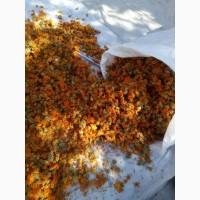
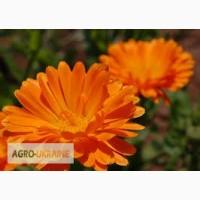
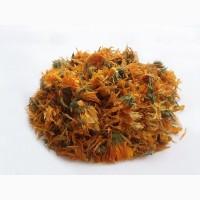
Calendula flower, Kharkiv region.
Price260 UAH.
Region:all Ukraine,
Kharkovskaya region.
(KHARKIV)
Updated:
The rich chemical composition of flowerscalendula has many active substances: множество действующих веществ:
essential oil of calendula flowers, which gives the plant a tart taste and a specific smell, and also effectively suppresses the development of microorganisms and causes their death;
Kalenden;
coumarins, which contribute to the elimination of inflammation;
resins;
presence of organic acids;
Phytonicides.(//tractor-service.com)
In addition, the herb contains carotenoids and provitamin A, which color the flowers orange, saponins, bitters, glycosides, and enzymes. Studies have shown that the calendula flower contains potassium and calcium, magnesium and iron, zinc and molybdenum, as well as selenium.
Medicinal use of plants
dried calendula The medicinal properties and contraindications of this plant are known in many European countries. It has been used for wound healing and as an anti-inflammatory drug since ancient times. Among all medicinal plants, marigolds take pride of place as an antiseptic herb, not inferior in itsproperties to chamomile or sage,plantain or licorice.
In the medical industry, calendula flowers are mainly used: the treatment and prevention of many ailments are the main purpose of preparations and ointments with this component in the composition. Marigolds are used in both traditional and non-traditional medicine. This herb is used for gynecological purposes, gastroenterology, neurology, cardiology, dermatology and cosmetology.
The plant can be used in the form of tinctures and ointments, decoction or drops. The special properties of calendula flowers allow them to be used as a bactericidal agent
essential oil of calendula flowers, which gives the plant a tart taste and a specific smell, and also effectively suppresses the development of microorganisms and causes their death;
Kalenden;
coumarins, which contribute to the elimination of inflammation;
resins;
presence of organic acids;
Phytonicides.(//tractor-service.com)
In addition, the herb contains carotenoids and provitamin A, which color the flowers orange, saponins, bitters, glycosides, and enzymes. Studies have shown that the calendula flower contains potassium and calcium, magnesium and iron, zinc and molybdenum, as well as selenium.
Medicinal use of plants
dried calendula The medicinal properties and contraindications of this plant are known in many European countries. It has been used for wound healing and as an anti-inflammatory drug since ancient times. Among all medicinal plants, marigolds take pride of place as an antiseptic herb, not inferior in itsproperties to chamomile or sage,plantain or licorice.
In the medical industry, calendula flowers are mainly used: the treatment and prevention of many ailments are the main purpose of preparations and ointments with this component in the composition. Marigolds are used in both traditional and non-traditional medicine. This herb is used for gynecological purposes, gastroenterology, neurology, cardiology, dermatology and cosmetology.
The plant can be used in the form of tinctures and ointments, decoction or drops. The special properties of calendula flowers allow them to be used as a bactericidal agent
|
Shop, contacts | |
Yuliya Nikolaevna / отзывы, инфо. / estimation of activity | |
|
Phone:
+380xxxxxx
show
| |
All user ads ~14 | |

Ad ID: #937946
(added by a registered user, registration date: 15-03-2018)
Added/Updated: 01-29-2026 13:34 (relevant, until: 01-29-2027)
Permanent ad address:
Showed / watched for today: ?, total: ?
Similar ads
Among them there are many interesting...