Sell / buy
Nizyn e234, Cherkasy region.
Region:вся Україна,
Cherka region.
(249 Chornovola St.)
Everyone knows that consumers are very wary of the presence of preservatives in the product. Some of them are considered harmful to health, and even fatal when accumulated in the body. In order to somehow change the situation, it was necessary to find a preservative, at least not harmful to health, and ideally even useful. Nowadays, preparations of natural origin, which are traditionally called environmentally friendly, are in increasing demand.
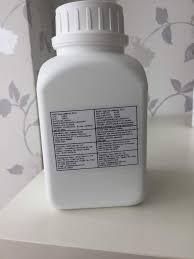
Nisin (1000 IU/mg) is a natural antimicrobial drug. It is used to prevent bacterial spoilage of products, slows down the growth of acidity, acidification of the product.
Suppressing foreign microflora and the development of spores, Nizin extends the shelf life of products.
Application Nizyna meets the requirements of the market to use only natural ingredients, allowing them to completely or partially replace chemical preservatives.
Nisin is a polypeptide synthesized by strains of lactic acid bacteria Streptococcus lactis, whose natural habitat is natural milk. Antimicrobial substance nisin is practically the only preservative of natural origin. This is its main difference from traditional and completely harmless acetic, benzoic, and sorbic acids. Nisin is used exclusively in the form of standardized preparations.
Nisin is naturally contained in milk and cheese, and nizin-forming streptococci are in the normal flora of the human intestine. In 1969, WHO recommended its use in the food industry.
Studies of nisin have shown that it is quickly inactivated by salivary enzymes and is not detected in the human body already 10 minutes after consuming a liquid containing it. Today, there are convincing data about the harmlessness of the lowlands for humans.
Legislative aspects
Nisin meets the FAO/OMS specifications for nisin concentrates, and the FAO/OMS Expert Committee on Food Additives has proven that it is a safe food additive. Nizyn meets the purity requirements of the European Community Directive 96/77/EC. The harmlessness of nisin for the living organism, the rapid breakdown by enzymes of the gastrointestinal tract have led to its wide use in the food industry in most countries, including those traditionally strict in requirements for food additives, such as the EU and the USA. Nizin has GRAS status.
The drug Nizin (E 234) is included in the list of food additives permitted for use in the food industry in Ukraine, approved by Resolution No. 12 of the Cabinet of Ministers of Ukraine on January 4, 1999.
Application
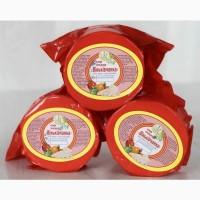
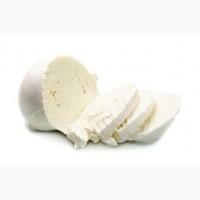
Nisin is used to control the growth of pathogenic microflora in foods that have undergone heat treatment and products with a low pH, including dairy products: processed cheese, cheese spreads, fresh cheeses obtained by direct oxidation, pasteurized dairy desserts,yogurt, reconstituted and flavored milk, pasteurized liquid egg products, mayonnaise, sauces and seasonings with low pH, canned goods, ketchup, pasteurized soups, processed meat products, pasteurized fruit juices, pies, products obtained as a result of fermentation, for example, beer; canned fruit and vegetables and other products.
Nizin promotes the preservation of product quality, it does not change the taste, smell, or color of the product.
When adding Nizin, unlike chemical preservatives, the appearance of bitterness or any aftertaste is excluded.
The main antimicrobial properties of Nizyna
Nisin has an inhibitory effect on certain species and genera of gram-positive organisms (eg, butyric acid, lactic acid), including many spore-forming bacteria. Nysin inhibits the growth of spores and causes lysis of vegetative cells.
Nizin suppresses the development of the following microorganisms: pneumococci, a group of streptococci, various types of Bacillus, Clostridium, Mycobacterium tuberculosis, Lactobacillus, Corynebacterium, a few types of Streptomyces, Micrococcus pyogenes.
It does not affect true gram-negative bacteria and does not affect yeast cells and molds.
The action of the drug is directed against the cytoplasmic membrane. It is destroyed immediately after the germination of spores. Therefore, the action of nisin against spores is stronger than against growing cells, although nisin cannot be called a direct sporicide. Two molecules of nisin, interacting with the membrane, form an artificial channel through which ions freely penetrate; as a result, the gradient of protons changes significantly. Apparently, Nisin increases the sensitivity of bacterial spores to heat. There are data indicating that only that part of the lowland that remained in active form after heating is active; it suppresses the formation of bacterial spores. So, nisin does not act directly on the spores. Its action begins not during heating, but after it. In combination with chelating agents, for example, ethylenediaminetetraacetic acid or citrates, nisin also inhibits bacteria of the genus Salmonella and the species E. coli.
Conservation properties of the Lowland
Nizin can inhibit the excessive growth of all bacterial spores that cause spoilage of heat-treated food products. This especially applies to the most heat-resistant types of bacterial spores, which can cause spoilage of products subjected to heat treatment at high temperatures and subsequently stored in rooms with elevated temperatures. Bacterial spores exposed to heat are more sensitive to low temperatures, so the effectiveness of preservative application increases in combination with moderate heat treatment and pasteurization.
The use of nisin during canning makes it possible to reduce the temperature and/or time of heat treatment, thereby preserving vitamins, biologically active substances and the nutritional value of the product, namely, it reduces the loss of vitamin C by 30-35% and completely preserves beta-carotene. The stability of nizin in an acidic environment allows heat treatment of products without a significant loss of preservative activity.
Moreover, from the point of view of consumer qualities, the preservation of the natural appearance and taste of the product makes the use of nisin indispensable for canning.
The stability of NIZYNA in an acidic environment allows heat treatment of products without significant loss of preservative activity.
Antimicrobial action
Nisin is effective against a wide range of gram-positive bacteria and their spores. Effective levels of supplementation depend on a wide range of factors, including substrate, bacterial load, and processing. Below is a list of the main bacteria found in the food industry that have shown sensitivity to Nizin.
Spore formers
BACILLUS SPP.
B.brevis
B.cereus
B.coagulans
B. licheninformis
B. macerans
B. megaterium
B. pumilis
B.subtilis
B. stearothermophilus
DESULFATOMACULUM SPP.
Desulfotomaculum nigrificans
Enterococcus faecalis
Enterococcus faecium
SPOROLACTOBACILLUS SPP.
Sporolactobacillus inulinus(//tractor-service.com)
CLOSTRIDIUM SPP.
Cl. bifermentas
Cl.botulinum
Cl.butyricum
Cl.histolyticum
Cl. pasteurianum
Cl.perfringers
Cl. putrificum
Cl.sordelli
Cl.sporogenes
Cl.tertium
Cl.thermo-saccharolyticum
Cl. thyrobutyricum
Nonsporobrazovats
LACTOBACILLUS SPP.
Lactobacillus Spp.
L.bulgaricus
L.brevis
L.buchneri
L.casei
L.helveticus
L.fermentum
L.lactis
L.plantarum
LEUCONOSTOS SPP.
L.oenos
L. mesenteroides
LISTERIA SPP.
Listeria monocytogenes
MICROCOCCUS SPP.
M.lutetus
M.varians
PEDIOCOCCUS SPP.
Pediococcus spp.
P. damnosus
P.pentosaceus
STAPHYLOCOCCUS SPP.
S. aureus
STREPTOCOCCUS SPP
MYCOBACTERIUM SPP
CORYNEBACTERIUM
Solubility|241
Низин имеет вид серого твердого порошка. Он может быть предварительно растворен в воде или другой жидкости перед использованием. Низин в наибольшей степени растворим в кислотных субстратах и становится постепенно менее растворимым при повышении рН. Его растворимость зависит от рH жидкости. Например, в чистой воде (рH = 7) растворимость низина - 49.0 мг/мл; в 0.02M HCL, растворимость увеличивается до118.0 мг/мл; он является почти нерастворимым в щелочной среде.
Solubility of nizin depending on pH at a temperature of 25°C in a buffer.
Solubility, mg/ml
Stability
The stability of the lowland also depends on pH. Nisina molecule is acidic in nature and becomes less resistant to heat treatment as the pH increases. If nisin is used in skimmed milk at PH-6.5, it loses up to 15% of its activity after pasteurization at 85 °C for approximately 15 minutes.
When nisin is dissolved in 0.02M HCl (pH =3), its activity remains 100% after sterilization inautoclave at 121ºС for 15 minutes, acid resistance and heat resistance of nisin are excellent. Losses at pasteurization temperatures, however, are significantly lower, and as already mentioned, the presence of large protein molecules in food substrates increases the stability of low temperature to overheating.
Heating:
Low activity after heating to 121°C for 15 min.
Activity, %:
Loss of activity in food also occurs during storage, and the degree of loss depends on both pH and storage temperature. For example, in pasteurized processed cheese with pH 5.6 - 6.8, losses during heat treatment during production (85-105 oC/5-10 min) will usually be 15-20%. During the storage period, the shelf life after 30 weeks will be approximately 80% at 20 0C and 40% at 30 0C. Since the action of nisin against spores is more sporostatic than sporicidal, a sufficient amount of final nisin must be preserved in the food to maintain activity against any remaining bacterial spores for the entire storage period. Thus, a higher level of nisin additive in food will be required if it is to be stored at unusually high average temperatures
Application
Nizin is used in production:
Nisin (1000 IU/mg) is a natural antimicrobial drug. It is used to prevent bacterial spoilage of products, slows down the growth of acidity, acidification of the product.
Suppressing foreign microflora and the development of spores, Nizin extends the shelf life of products.
Application Nizyna meets the requirements of the market to use only natural ingredients, allowing them to completely or partially replace chemical preservatives.
Nisin is a polypeptide synthesized by strains of lactic acid bacteria Streptococcus lactis, whose natural habitat is natural milk. Antimicrobial substance nisin is practically the only preservative of natural origin. This is its main difference from traditional and completely harmless acetic, benzoic, and sorbic acids. Nisin is used exclusively in the form of standardized preparations.
Nisin is naturally contained in milk and cheese, and nizin-forming streptococci are in the normal flora of the human intestine. In 1969, WHO recommended its use in the food industry.
Studies of nisin have shown that it is quickly inactivated by salivary enzymes and is not detected in the human body already 10 minutes after consuming a liquid containing it. Today, there are convincing data about the harmlessness of the lowlands for humans.
Legislative aspects
Nisin meets the FAO/OMS specifications for nisin concentrates, and the FAO/OMS Expert Committee on Food Additives has proven that it is a safe food additive. Nizyn meets the purity requirements of the European Community Directive 96/77/EC. The harmlessness of nisin for the living organism, the rapid breakdown by enzymes of the gastrointestinal tract have led to its wide use in the food industry in most countries, including those traditionally strict in requirements for food additives, such as the EU and the USA. Nizin has GRAS status.
The drug Nizin (E 234) is included in the list of food additives permitted for use in the food industry in Ukraine, approved by Resolution No. 12 of the Cabinet of Ministers of Ukraine on January 4, 1999.
Application
Nisin is used to control the growth of pathogenic microflora in foods that have undergone heat treatment and products with a low pH, including dairy products: processed cheese, cheese spreads, fresh cheeses obtained by direct oxidation, pasteurized dairy desserts,yogurt, reconstituted and flavored milk, pasteurized liquid egg products, mayonnaise, sauces and seasonings with low pH, canned goods, ketchup, pasteurized soups, processed meat products, pasteurized fruit juices, pies, products obtained as a result of fermentation, for example, beer; canned fruit and vegetables and other products.
Nizin promotes the preservation of product quality, it does not change the taste, smell, or color of the product.
When adding Nizin, unlike chemical preservatives, the appearance of bitterness or any aftertaste is excluded.
The main antimicrobial properties of Nizyna
Nisin has an inhibitory effect on certain species and genera of gram-positive organisms (eg, butyric acid, lactic acid), including many spore-forming bacteria. Nysin inhibits the growth of spores and causes lysis of vegetative cells.
Nizin suppresses the development of the following microorganisms: pneumococci, a group of streptococci, various types of Bacillus, Clostridium, Mycobacterium tuberculosis, Lactobacillus, Corynebacterium, a few types of Streptomyces, Micrococcus pyogenes.
It does not affect true gram-negative bacteria and does not affect yeast cells and molds.
The action of the drug is directed against the cytoplasmic membrane. It is destroyed immediately after the germination of spores. Therefore, the action of nisin against spores is stronger than against growing cells, although nisin cannot be called a direct sporicide. Two molecules of nisin, interacting with the membrane, form an artificial channel through which ions freely penetrate; as a result, the gradient of protons changes significantly. Apparently, Nisin increases the sensitivity of bacterial spores to heat. There are data indicating that only that part of the lowland that remained in active form after heating is active; it suppresses the formation of bacterial spores. So, nisin does not act directly on the spores. Its action begins not during heating, but after it. In combination with chelating agents, for example, ethylenediaminetetraacetic acid or citrates, nisin also inhibits bacteria of the genus Salmonella and the species E. coli.
Conservation properties of the Lowland
Nizin can inhibit the excessive growth of all bacterial spores that cause spoilage of heat-treated food products. This especially applies to the most heat-resistant types of bacterial spores, which can cause spoilage of products subjected to heat treatment at high temperatures and subsequently stored in rooms with elevated temperatures. Bacterial spores exposed to heat are more sensitive to low temperatures, so the effectiveness of preservative application increases in combination with moderate heat treatment and pasteurization.
The use of nisin during canning makes it possible to reduce the temperature and/or time of heat treatment, thereby preserving vitamins, biologically active substances and the nutritional value of the product, namely, it reduces the loss of vitamin C by 30-35% and completely preserves beta-carotene. The stability of nizin in an acidic environment allows heat treatment of products without a significant loss of preservative activity.
Moreover, from the point of view of consumer qualities, the preservation of the natural appearance and taste of the product makes the use of nisin indispensable for canning.
The stability of NIZYNA in an acidic environment allows heat treatment of products without significant loss of preservative activity.
Antimicrobial action
Nisin is effective against a wide range of gram-positive bacteria and their spores. Effective levels of supplementation depend on a wide range of factors, including substrate, bacterial load, and processing. Below is a list of the main bacteria found in the food industry that have shown sensitivity to Nizin.
Spore formers
BACILLUS SPP.
B.brevis
B.cereus
B.coagulans
B. licheninformis
B. macerans
B. megaterium
B. pumilis
B.subtilis
B. stearothermophilus
DESULFATOMACULUM SPP.
Desulfotomaculum nigrificans
Enterococcus faecalis
Enterococcus faecium
SPOROLACTOBACILLUS SPP.
Sporolactobacillus inulinus(//tractor-service.com)
CLOSTRIDIUM SPP.
Cl. bifermentas
Cl.botulinum
Cl.butyricum
Cl.histolyticum
Cl. pasteurianum
Cl.perfringers
Cl. putrificum
Cl.sordelli
Cl.sporogenes
Cl.tertium
Cl.thermo-saccharolyticum
Cl. thyrobutyricum
Nonsporobrazovats
LACTOBACILLUS SPP.
Lactobacillus Spp.
L.bulgaricus
L.brevis
L.buchneri
L.casei
L.helveticus
L.fermentum
L.lactis
L.plantarum
LEUCONOSTOS SPP.
L.oenos
L. mesenteroides
LISTERIA SPP.
Listeria monocytogenes
MICROCOCCUS SPP.
M.lutetus
M.varians
PEDIOCOCCUS SPP.
Pediococcus spp.
P. damnosus
P.pentosaceus
STAPHYLOCOCCUS SPP.
S. aureus
STREPTOCOCCUS SPP
MYCOBACTERIUM SPP
CORYNEBACTERIUM
Solubility|241
Низин имеет вид серого твердого порошка. Он может быть предварительно растворен в воде или другой жидкости перед использованием. Низин в наибольшей степени растворим в кислотных субстратах и становится постепенно менее растворимым при повышении рН. Его растворимость зависит от рH жидкости. Например, в чистой воде (рH = 7) растворимость низина - 49.0 мг/мл; в 0.02M HCL, растворимость увеличивается до118.0 мг/мл; он является почти нерастворимым в щелочной среде.
Solubility of nizin depending on pH at a temperature of 25°C in a buffer.
Solubility, mg/ml
Stability
The stability of the lowland also depends on pH. Nisina molecule is acidic in nature and becomes less resistant to heat treatment as the pH increases. If nisin is used in skimmed milk at PH-6.5, it loses up to 15% of its activity after pasteurization at 85 °C for approximately 15 minutes.
When nisin is dissolved in 0.02M HCl (pH =3), its activity remains 100% after sterilization inautoclave at 121ºС for 15 minutes, acid resistance and heat resistance of nisin are excellent. Losses at pasteurization temperatures, however, are significantly lower, and as already mentioned, the presence of large protein molecules in food substrates increases the stability of low temperature to overheating.
Heating:
Low activity after heating to 121°C for 15 min.
Activity, %:
Loss of activity in food also occurs during storage, and the degree of loss depends on both pH and storage temperature. For example, in pasteurized processed cheese with pH 5.6 - 6.8, losses during heat treatment during production (85-105 oC/5-10 min) will usually be 15-20%. During the storage period, the shelf life after 30 weeks will be approximately 80% at 20 0C and 40% at 30 0C. Since the action of nisin against spores is more sporostatic than sporicidal, a sufficient amount of final nisin must be preserved in the food to maintain activity against any remaining bacterial spores for the entire storage period. Thus, a higher level of nisin additive in food will be required if it is to be stored at unusually high average temperatures
Application
Nizin is used in production:
Ad ID: #996844
(added by a registered user)
Permanent Ad Address:
Impressions / views for today: ?, total: ?
Similar recent ads
Among them there are many interesting ones...