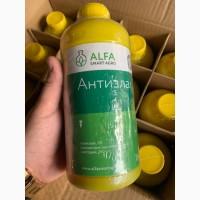
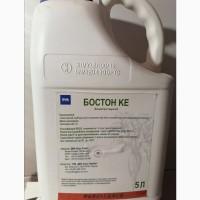
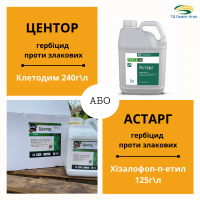
/ Fertilizers and plant protection products / Herbicides / Dexter - graminicide with the highest content of active substance...
For sale / buy
Dexter - a graminicide with the highest content of active substances among others, Kyiv region.
Price14.5$
Region:all Ukraine,
Kyiv region.
(Vyshhorodok)
Updated:
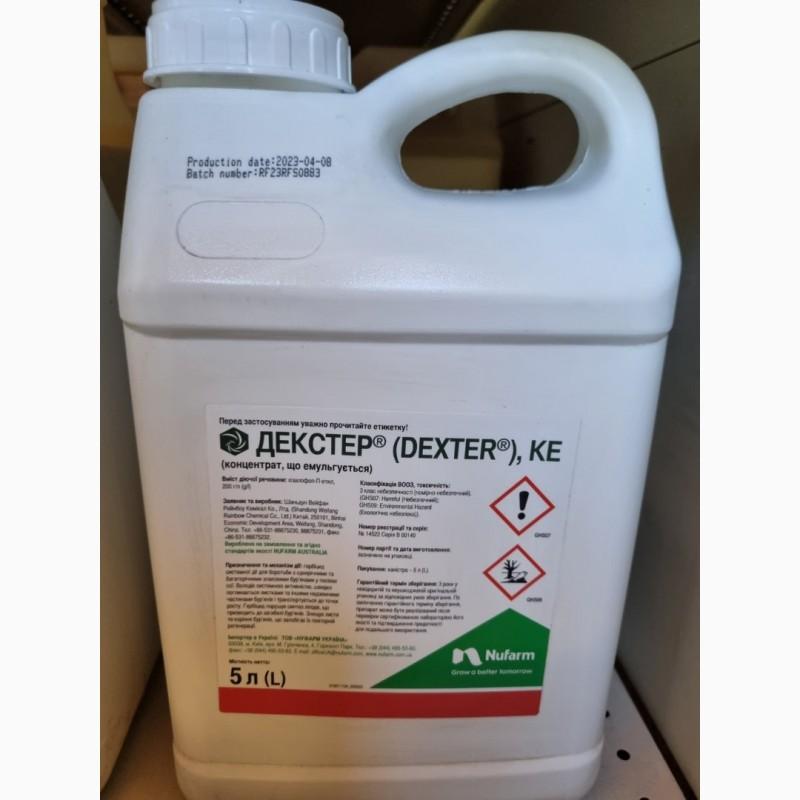
Dexter herbicide is a graminicide with the highest content of active substances among others on the market.
Content of the active substance: 146
хізалофоп-П-етил, 200 г/л
Preparative form:
emulsifiable concentrate
Packaging: 5 l, the price is for 1 l.
Advantages Dexter:
control of all known grass weeds;
has the highest concentration of hyzalofop-P-ethyl on the market - reducing logistics costs;
destroys the root system of perennial grass weeds.
Application regulations Dexter:
Soya,rape
Consumption rate, l/ha - 0.4-0.75
Weeds - Annual and perennial cereals
Method, time of treatments - Spraying of the culture in the early stages of development of annual cereal weeds (2-4 leaves), and against perennial cereal weeds at a height of 10-20 cm(//tractor-service.com)
Mechanism of action Dexter:
Hyzalofop-P-ethyl disrupts the synthesis of lipids, which leads to the death of cereal plants.
Absorption and movement in the plant:
The herbicide has a systemic effect. It accumulates in the tissues of both above-ground and underground parts of grass weeds.
Application features:
It can be applied at a temperature of +7 °C, but the best effect is achieved when the cereal weeds are at the stage of active growth, at a temperature of 15 to 25 °C and the soil is sufficiently moistened. Annual grass weeds are sprayed during the period of their active growth (in the phase of 2-3 leaves before the beginning of bushing), perennial grasses - when they reach a height of 10-15 cm.
Proven tank mixtures:
For increased control, especially in adverse weather conditions (drought, cold weather, sudden temperature changes, etc.):
annual cereal weeds: DEXTER 0.25-0.4 l/ha + SELFIE OIL 0.3-0.4 l/ha
perennial cereal weeds: DEXTER 0.5-0.75 l/ha + SELFIE OIL 0.4-0.6 l/ha
Range of action:
Annual grass weeds: common plantain, blood-red glove, foxtail, common rush, canary, fenugreek, cornflower, chicken millet, peasant millet, annual thin leg, hairy millet, mouse (species), self-sowingbarley, millet, rye, common everywhere.
Perennial grass weeds: creeping wheatgrass, pigweed, fenugreek (perennial species), timothy (species),sorghum aleppo (gumay), common sedge, reed, etc.
Content of the active substance: 146
хізалофоп-П-етил, 200 г/л
Preparative form:
emulsifiable concentrate
Packaging: 5 l, the price is for 1 l.
Advantages Dexter:
control of all known grass weeds;
has the highest concentration of hyzalofop-P-ethyl on the market - reducing logistics costs;
destroys the root system of perennial grass weeds.
Application regulations Dexter:
Soya,rape
Consumption rate, l/ha - 0.4-0.75
Weeds - Annual and perennial cereals
Method, time of treatments - Spraying of the culture in the early stages of development of annual cereal weeds (2-4 leaves), and against perennial cereal weeds at a height of 10-20 cm(//tractor-service.com)
Mechanism of action Dexter:
Hyzalofop-P-ethyl disrupts the synthesis of lipids, which leads to the death of cereal plants.
Absorption and movement in the plant:
The herbicide has a systemic effect. It accumulates in the tissues of both above-ground and underground parts of grass weeds.
Application features:
It can be applied at a temperature of +7 °C, but the best effect is achieved when the cereal weeds are at the stage of active growth, at a temperature of 15 to 25 °C and the soil is sufficiently moistened. Annual grass weeds are sprayed during the period of their active growth (in the phase of 2-3 leaves before the beginning of bushing), perennial grasses - when they reach a height of 10-15 cm.
Proven tank mixtures:
For increased control, especially in adverse weather conditions (drought, cold weather, sudden temperature changes, etc.):
annual cereal weeds: DEXTER 0.25-0.4 l/ha + SELFIE OIL 0.3-0.4 l/ha
perennial cereal weeds: DEXTER 0.5-0.75 l/ha + SELFIE OIL 0.4-0.6 l/ha
Range of action:
Annual grass weeds: common plantain, blood-red glove, foxtail, common rush, canary, fenugreek, cornflower, chicken millet, peasant millet, annual thin leg, hairy millet, mouse (species), self-sowingbarley, millet, rye, common everywhere.
Perennial grass weeds: creeping wheatgrass, pigweed, fenugreek (perennial species), timothy (species),sorghum aleppo (gumay), common sedge, reed, etc.
|
Shop, contacts | |
Yuriy / feedback, info. / activity evaluation | |
|
Phone:
+38(xxxxxx
show
| |
All user ads ~1000 | |
Ad ID: #966402
(added by a registered user, registration date: 10-08-2016)
Added / Updated: 15-10-2025 09:25 (current, until: 15-10-2026)
Permanent Ad Address:
Impressions / views for today: ?, total: ?
Similar ads
Among them there are many interesting ones...