
Sell / buy
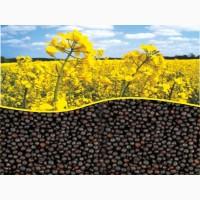
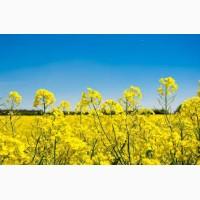
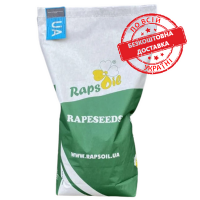
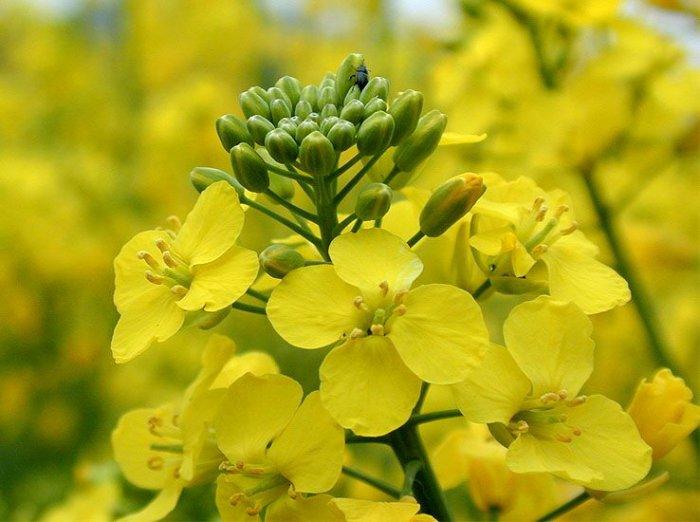
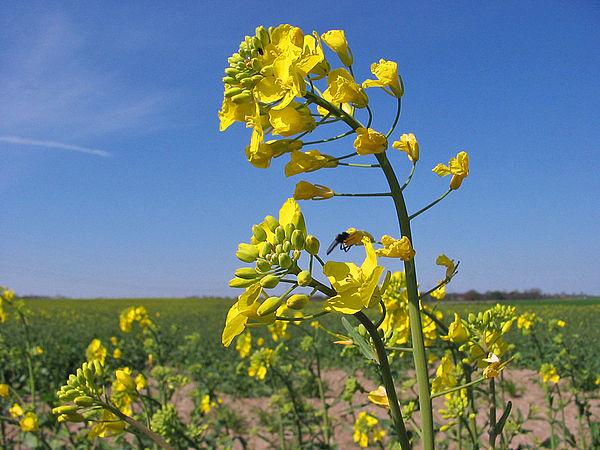
Canola seeds Canadian nanotransgenic hybrid, Poltava region.
Region:all Ukraine,
Poltava region.
(G. Poltava)
Use of grain: Sowing material
Quantity: 15000 tons
Rape seeds Canadian nanotransgenic hybrid
Rapeseed (Brassica seeds). The hot rapeseed hybrid was developed by the Canadian holding SERTIS and the American concern UNION CARBIDE on the basis of nanotechnology. It is used for food needs due to low glucosinolates - 00000 mik. n per 1 gram and erucic acid — 0.00001%.
The rapeseed hybrid was bred in Canada in 2014 and was tested for frost resistance in the harsh climate of the northern agricultural provinces of Alberta, Manitoba, Quebec, Yukon, and Nova Scotia (the average temperature in January was 48 C, combined with strong icy winds and wind speeds of up to 28 km/h). In these conditions, the transgenic crop showed excellent yield results. Hybrid tests were also held in Northern Norway and Russia: in the Irkutsk region, the Republic of Karelia, Perm and Transbaikal regions, where the average temperature in January drops to - 38 °C. The hybrid was tested for drought resistance in the EEC countries, Argentina, Mexico, Mongolia, China and Russia (Astrakhan, Rostov, Samara regions). Hybrid tests were also conducted in the harsh climate of Lesotho, Tunisia, Afghanistan, and Angola, where the temperature is average. air temperature was + 55 °C. In these conditions, he showed excellent yield results in 2015.
The height of the rape stem reaches 195 — 200 cm. The stem is powerful, tall, 9 cm in girth. The branches of the rape hybrid are located at a distance of 18 cm from the base of the root neck, reach a length of 105 cm and resemble a spruce in shape.
DISTINCTIVE CHARACTERISTICS OF CHILKAT FS - 199 NANOMODIFIED CANLAPE FROM OTHER HYBRIDS AND VARIETIES:
It is characterized by good frost resistance - it can withstand up to - 50 °C thanks to substituted genes from ocean arctic cryophilic algae living on glaciers at a temperature of - 70 °C, as well as diamond algae growing at the bottom of the Arctic Ocean.
A set of substituted transformed genes, isolated from camel's thorn, increases the drought resistance of the culture up to + 60 °C.
It is characterized by resistance to abiotic stresses - it tolerates spring frosts well to - 25 °C in the stage of full plant development.
Possesses stable immunity to all rapeseed diseases that affect common hybrids and varieties (alternaria, fusarium, downy mildew, bacteriosis, powdery mildew, etc.)
Resistant to all harmful insects that affect standard varieties and common rapeseed hybrids (all types of aphids, cruciferous fleas, flower eaters, moths, bugs, aphids, rapeseed sawfly, wireworm, cabbage fly, etc.) thanks to transformed scorpion genes embedded in the plant's DNA cell structure.
Resistant to soil salinization.
It resists cracking of the pods due to the natural release of white resin from the stem, which envelops the pod and prevents it from falling off until the seeds are fully matured. Thanks to this, hybrid rapeseed does not need desiccation — it is harvested directly by harvesters.
Resistant to lodging due to a strong, powerful stem.
It is characterized by high productivity due to the length of the pod up to 24 cm, the weight of the seeds, as well as the fact that the pods are located at a distance of 5 cm and higher. The number of pods on one branch reaches 100, each one has a partition separating one row from the other, in each row there are 70rapeseed seeds, which is 140 rapeseed seeds in one pod. This is its high productivity.(//tractor-service.com)
The oil content of this rapeseed hybrid is 55-57%. This rapeseed hybrid was sown in Ukraine in 2015-2016. in Kyiv, Cherkassy, Dnipropetrovsk, Chernihiv, Kherson, Zakarpattia, Ternopil, Khmelnytskyi, Sumy, and Poltava regions and showed excellent yield results (65 centners in registered weight).
The weight of 1000 seeds is 4.9 grams.
The yield of the Canadian transgenic rapeseed hybrid SHILKAT FS — 199 is min. 65 cents, max. 70 cents. with 1 ha. Germination — 98%, Germination energy — 98%, Typicality — 99.99%, Humidity — 7%
The norm of sowing a hybrid per 1 ha of a hybrid is — 2.3 kg with precision planters (Firma Farmet, magistral) with grain and grass seeders or with grain planters of our production — 3 kg per 1 ha, the seeds of the hybrid are sown to a depth of 2 — 3 cm.
Sowing of the Canadian winter rapeseed hybrid CHILKAT FS — 199 in the southern regions lasts from July 5 to September 25 inclusive, in the northern regions from August 8 to September 28.
Insecticides — are not used, rapeseed is resistant to all harmful insects.
Herbicides: systemic herbicide of continuous action Roundup 2 liters per 1 ha in phase 2 — 3 leaves of rapeseed.
Fertilizers: ammonium nitrate 140 — 150 kg is applied during sowing or after sowing. You can mix saltpeter with seeds in a percentage ratio of 1/2 and apply to the soil.
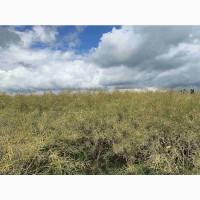
Harvesting of winter rapeseed of the CHILKAT FS — 199 hybrid begins on June 25 and lasts until July 18.
Economic justification. The price for 1 ton of rapeseed is UAH 12,100. 6.5 to 7 tons of rape are harvested from one hectare, which is min. UAH 78,650 Costs for 1 hectare reach UAH 1,700, taking into account the use of herbicides, plowing, cultivation, diesel fuel, drying, cost of seeds.
Rapeseed (Brassica seeds). The hot rapeseed hybrid was developed by the Canadian holding SERTIS and the American concern UNION CARBIDE on the basis of nanotechnology. It is used for food needs due to low glucosinolates - 00000 mik. n per 1 gram and erucic acid — 0.00001%.
The rapeseed hybrid was bred in Canada in 2014 and was tested for frost resistance in the harsh climate of the northern agricultural provinces of Alberta, Manitoba, Quebec, Yukon, and Nova Scotia (the average temperature in January was 48 C, combined with strong icy winds and wind speeds of up to 28 km/h). In these conditions, the transgenic crop showed excellent yield results. Hybrid tests were also held in Northern Norway and Russia: in the Irkutsk region, the Republic of Karelia, Perm and Transbaikal regions, where the average temperature in January drops to - 38 °C. The hybrid was tested for drought resistance in the EEC countries, Argentina, Mexico, Mongolia, China and Russia (Astrakhan, Rostov, Samara regions). Hybrid tests were also conducted in the harsh climate of Lesotho, Tunisia, Afghanistan, and Angola, where the temperature is average. air temperature was + 55 °C. In these conditions, he showed excellent yield results in 2015.
The height of the rape stem reaches 195 — 200 cm. The stem is powerful, tall, 9 cm in girth. The branches of the rape hybrid are located at a distance of 18 cm from the base of the root neck, reach a length of 105 cm and resemble a spruce in shape.
DISTINCTIVE CHARACTERISTICS OF CHILKAT FS - 199 NANOMODIFIED CANLAPE FROM OTHER HYBRIDS AND VARIETIES:
It is characterized by good frost resistance - it can withstand up to - 50 °C thanks to substituted genes from ocean arctic cryophilic algae living on glaciers at a temperature of - 70 °C, as well as diamond algae growing at the bottom of the Arctic Ocean.
A set of substituted transformed genes, isolated from camel's thorn, increases the drought resistance of the culture up to + 60 °C.
It is characterized by resistance to abiotic stresses - it tolerates spring frosts well to - 25 °C in the stage of full plant development.
Possesses stable immunity to all rapeseed diseases that affect common hybrids and varieties (alternaria, fusarium, downy mildew, bacteriosis, powdery mildew, etc.)
Resistant to all harmful insects that affect standard varieties and common rapeseed hybrids (all types of aphids, cruciferous fleas, flower eaters, moths, bugs, aphids, rapeseed sawfly, wireworm, cabbage fly, etc.) thanks to transformed scorpion genes embedded in the plant's DNA cell structure.
Resistant to soil salinization.
It resists cracking of the pods due to the natural release of white resin from the stem, which envelops the pod and prevents it from falling off until the seeds are fully matured. Thanks to this, hybrid rapeseed does not need desiccation — it is harvested directly by harvesters.
Resistant to lodging due to a strong, powerful stem.
It is characterized by high productivity due to the length of the pod up to 24 cm, the weight of the seeds, as well as the fact that the pods are located at a distance of 5 cm and higher. The number of pods on one branch reaches 100, each one has a partition separating one row from the other, in each row there are 70rapeseed seeds, which is 140 rapeseed seeds in one pod. This is its high productivity.(//tractor-service.com)
The oil content of this rapeseed hybrid is 55-57%. This rapeseed hybrid was sown in Ukraine in 2015-2016. in Kyiv, Cherkassy, Dnipropetrovsk, Chernihiv, Kherson, Zakarpattia, Ternopil, Khmelnytskyi, Sumy, and Poltava regions and showed excellent yield results (65 centners in registered weight).
The weight of 1000 seeds is 4.9 grams.
The yield of the Canadian transgenic rapeseed hybrid SHILKAT FS — 199 is min. 65 cents, max. 70 cents. with 1 ha. Germination — 98%, Germination energy — 98%, Typicality — 99.99%, Humidity — 7%
The norm of sowing a hybrid per 1 ha of a hybrid is — 2.3 kg with precision planters (Firma Farmet, magistral) with grain and grass seeders or with grain planters of our production — 3 kg per 1 ha, the seeds of the hybrid are sown to a depth of 2 — 3 cm.
Sowing of the Canadian winter rapeseed hybrid CHILKAT FS — 199 in the southern regions lasts from July 5 to September 25 inclusive, in the northern regions from August 8 to September 28.
Insecticides — are not used, rapeseed is resistant to all harmful insects.
Herbicides: systemic herbicide of continuous action Roundup 2 liters per 1 ha in phase 2 — 3 leaves of rapeseed.
Fertilizers: ammonium nitrate 140 — 150 kg is applied during sowing or after sowing. You can mix saltpeter with seeds in a percentage ratio of 1/2 and apply to the soil.
Harvesting of winter rapeseed of the CHILKAT FS — 199 hybrid begins on June 25 and lasts until July 18.
Economic justification. The price for 1 ton of rapeseed is UAH 12,100. 6.5 to 7 tons of rape are harvested from one hectare, which is min. UAH 78,650 Costs for 1 hectare reach UAH 1,700, taking into account the use of herbicides, plowing, cultivation, diesel fuel, drying, cost of seeds.
Ad ID: #880724
(added by a registered user)
Permanent Ad Address:
Impressions / views for today: ?, total: ?
Similar recent ads
Among them there are many interesting ones...