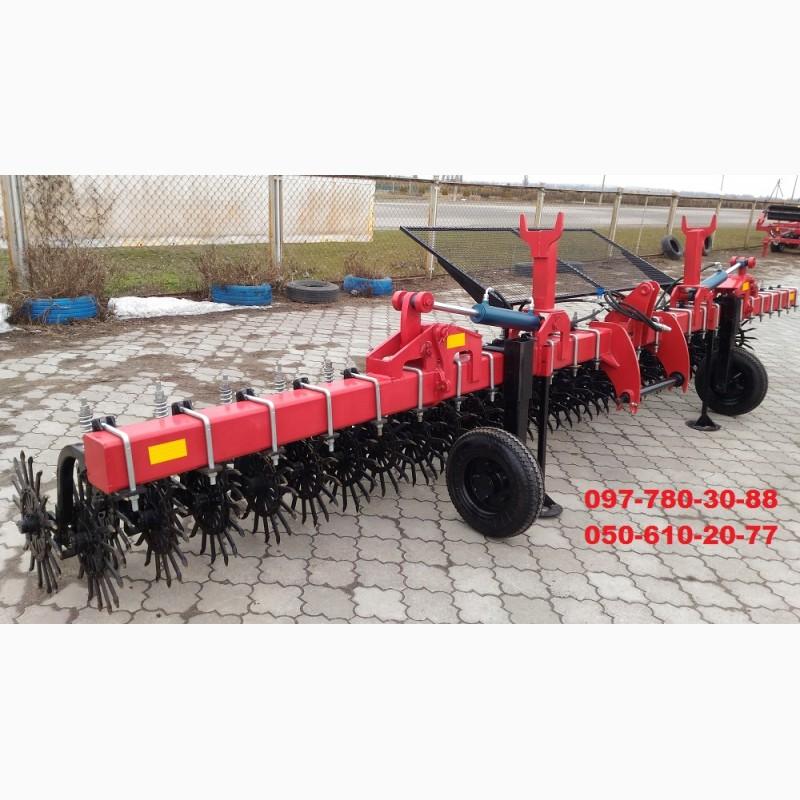
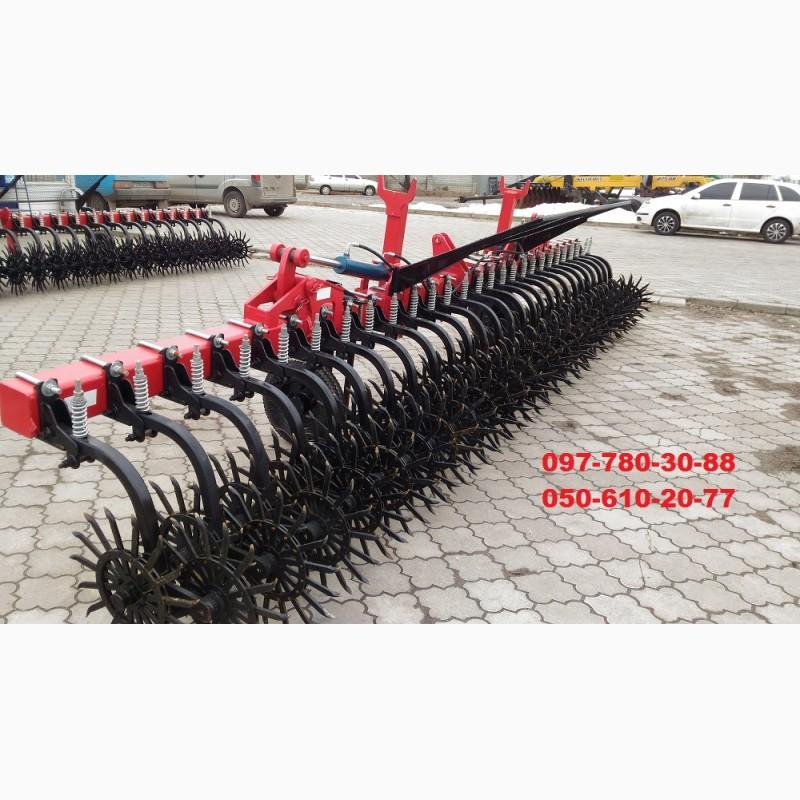
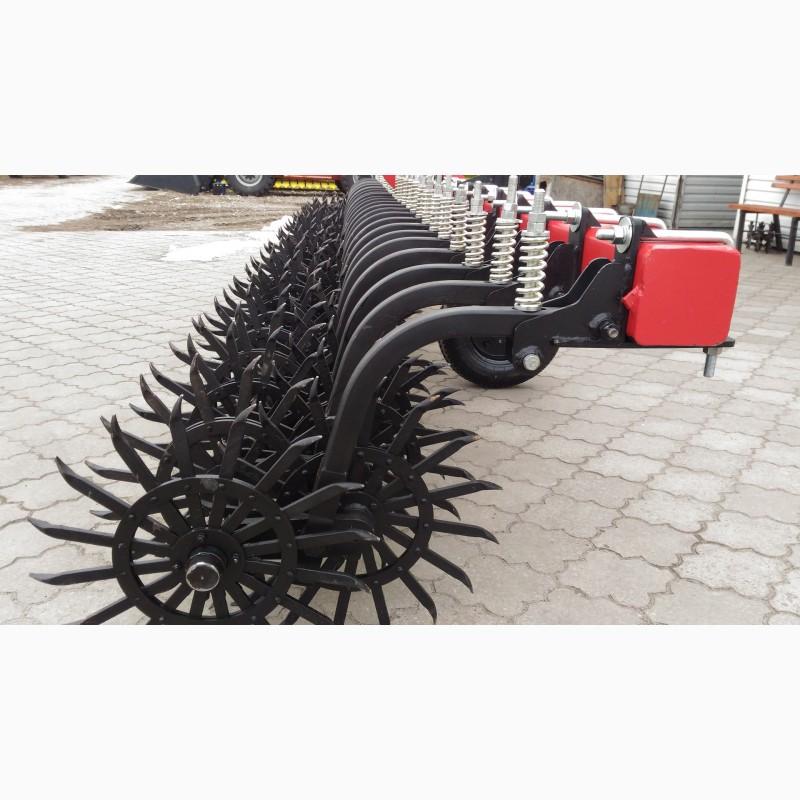
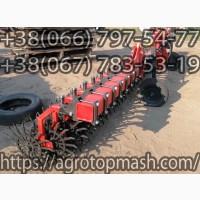
/ Agricultural machinery, equipment, inventory / Soil cultivation equipment / Harrows / Rotary harrow Motyga - 6 - 9m





Sell / buy
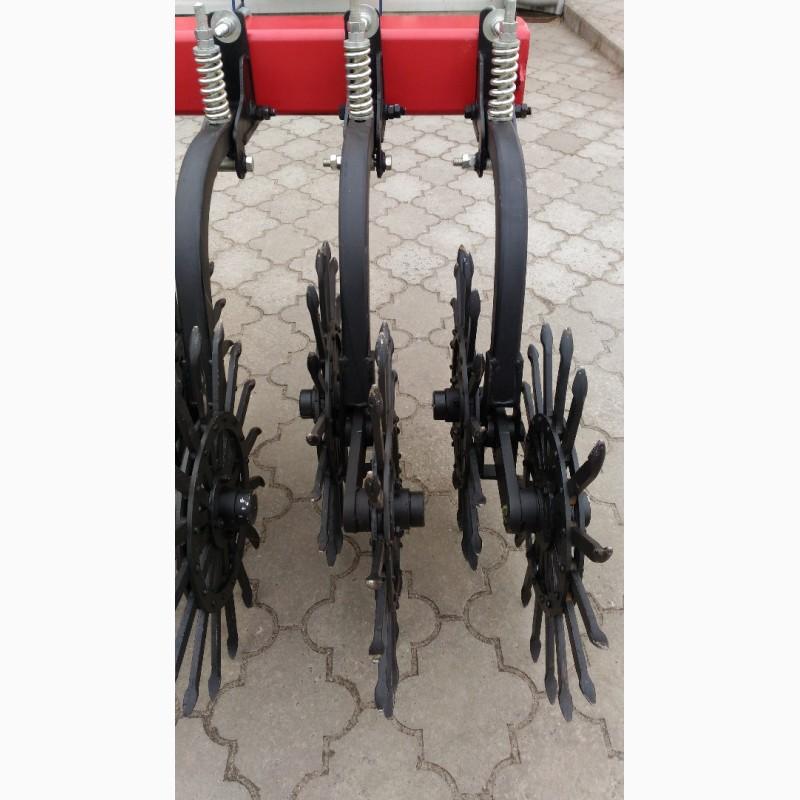
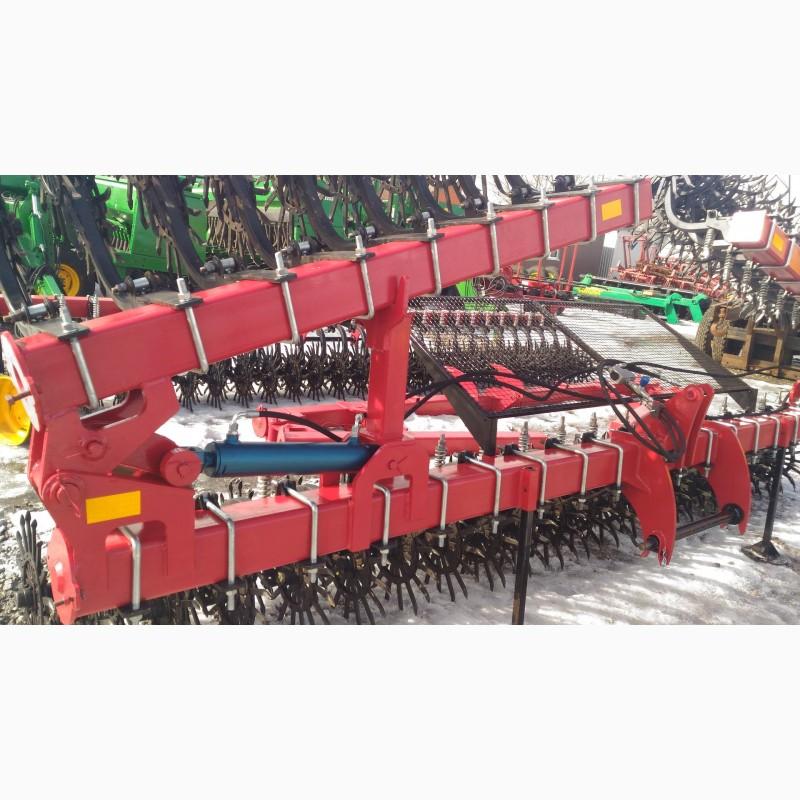
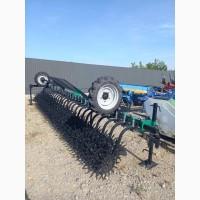
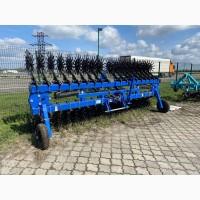
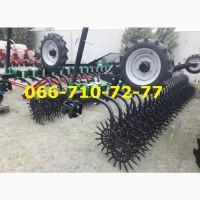
Harrow rotary Hoe - 6 - 9m, Dnipropetrovsk region.
Price140,000 UAH.
Region:all Ukraine,
Dnipropetrovsk region.
(Dnipro)
Updated:
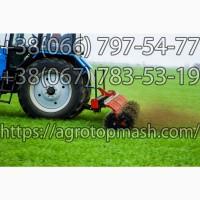
Harrow -rotary hoe intended for pre-emergence and post-emergence harrowing of field crops (grain, row, technical) with the aim of:
- surface loosening and aeration of the soil,
- destruction of filamentous weeds.
Effective use of rotary hoe for spring harrowing of winter wheat. The working organs of the hoe create an ideal background for the initial development of the root system of plants, they mulch the top layer of the soil well, destroying the soil surface (crust), thus, preserving moisture, destroying the filamentous roots of weeds up to 100% at speeds of up to 20 km / h. This makes it possible to switch to herbicide-free technology. With the appearance of a monolithic soil surface (crust) on the early seedlings of cultivated plants, for example, corn in the stage of up to 4 leaves, when the use of tooth harrows is impossible, the efficiency of using a hoe increases dramatically.
Technical characteristics of the harrow — Rotary hoes:
MRN-3 MRN-6 MRN-6-01 MRN-9 MRN-12
Productivity, ha/per shift Up to 50 Up to 100 Up to 100 Up to 130 Up to 180
Working speed, km / h 10 - 20
Working width of capture, m 3 6 6 9 12
Processing depth, mm Up to 100
Unit weight, kg 560 1070 1200 1870 4500
Overall dimensions in working position; mm
Length 1400 1400 1400 1400 6200
Width 3000 6000 6000 9000 3000
Height 1100 1100 1700 1700 1600
Width of transportwheel, mm --- --- --- --- 300
Width of the wheel pair (on average), mm --- --- --- --- 2800
Overall dimensions in transport position; mm
Length 1000 1000 1000 1000 6200
Width 3000 6000 3700 4900 3200
Height 1700 1700 2300 2500 2800
Transport speed, no more than km / h 15
Road clearance, not less, mm 450 ---(//tractor-service.com)
The required width of the turning lane, m is not less than 7
Number of sections, pcs. 15 27 27 39 27 / 27
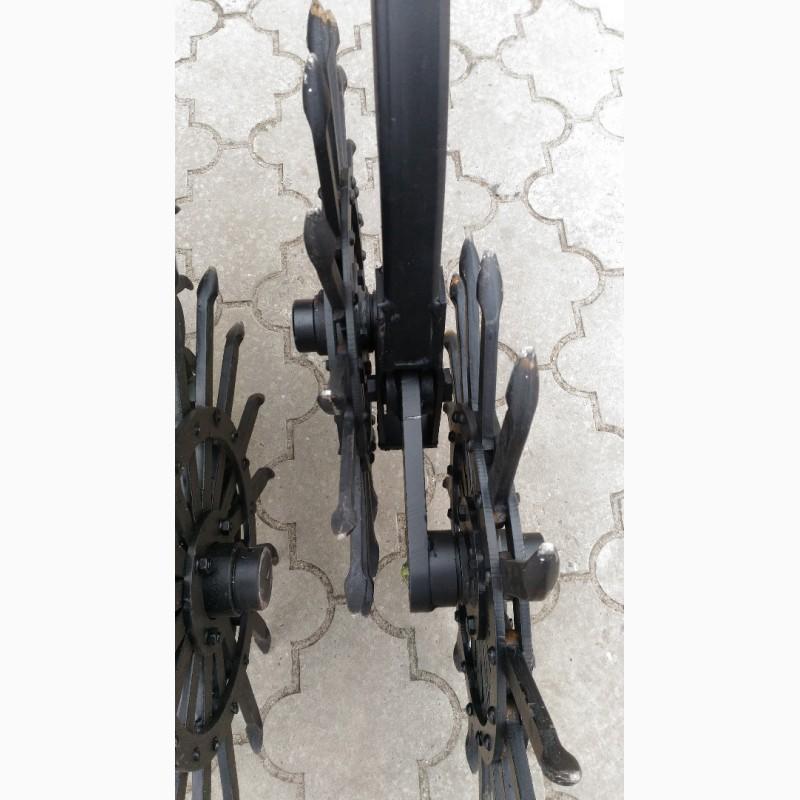
The diameter of the working sprocket mm. 530
Availability of bearings
MTM Poland Bearing in tandem - 3 pcs - 6004 (closed)
Bearing in the sprocket wheel – 2 pcs – 30204
Minimum width between rows (per section), mm 100
Minimum width between rows (between sections), mm 70
Traction force, K / C 40 80 80 130 105
Results of harrow tests - rotary hoes
On winter wheat crops in the phase of spring tillering, an experiment was conducted on the subject of accumulation of nitrogen from the air by wheat in comparison with the area where ammonium nitrate was applied at the rate of 100 kg/ha. Selection of plants for analysis was carried out on the 15th day and again on the 20th day after the first.
The entire above-ground part of the plant was analyzed. Nitrogen was determined by the Kjeldahl method.
Variants of experience Content. of nitrogen in % of dry matter 04/09/91 Content. of nitrogen in % of dry matter 04/30/91 p.
Fertilization with ammonium nitrate 100 kg \ ha 3.7 1.7
Processing with a hoe MRN 5.6 (one-time) 3.8 2.1
The results of the analyzes showed that the nitrogen content in winter wheat plants is at the same level of supply.
On corn crops with the use of the MRN - 6 hoe at the tilling stage (the "stilt" stage) and in the phase of 3-4 leaves, air access to the root system is ensured, the destruction of filamentous weeds is 100%, as well as weed seedlings up to 27.5% and the preservation of moisture, which in turn has a favorable effect on the further development of cultivated plants. When processing with harrows, BZSS-1 damages up to 10-15% of cultivated plants, and when processing with a hoe, MRN5.6 damages up to 0.8%.
On sunflower crops, treatment was carried out on seedlings (two false leaves) and in the phase of 2-4 leaves, the effect was similar to treatment on corn seedlings. Research data on the expediency of replacing nitrogen fertilization with spring loosening with a hoe MRN5.6 have been confirmed, the effect obtained is due to the saving of fertilizers, as well as the costs of their loading, transportation and application.
Video -- https://youtu.be/ds7sSBigKDQ
- surface loosening and aeration of the soil,
- destruction of filamentous weeds.
Effective use of rotary hoe for spring harrowing of winter wheat. The working organs of the hoe create an ideal background for the initial development of the root system of plants, they mulch the top layer of the soil well, destroying the soil surface (crust), thus, preserving moisture, destroying the filamentous roots of weeds up to 100% at speeds of up to 20 km / h. This makes it possible to switch to herbicide-free technology. With the appearance of a monolithic soil surface (crust) on the early seedlings of cultivated plants, for example, corn in the stage of up to 4 leaves, when the use of tooth harrows is impossible, the efficiency of using a hoe increases dramatically.
Technical characteristics of the harrow — Rotary hoes:
MRN-3 MRN-6 MRN-6-01 MRN-9 MRN-12
Productivity, ha/per shift Up to 50 Up to 100 Up to 100 Up to 130 Up to 180
Working speed, km / h 10 - 20
Working width of capture, m 3 6 6 9 12
Processing depth, mm Up to 100
Unit weight, kg 560 1070 1200 1870 4500
Overall dimensions in working position; mm
Length 1400 1400 1400 1400 6200
Width 3000 6000 6000 9000 3000
Height 1100 1100 1700 1700 1600
Width of transportwheel, mm --- --- --- --- 300
Width of the wheel pair (on average), mm --- --- --- --- 2800
Overall dimensions in transport position; mm
Length 1000 1000 1000 1000 6200
Width 3000 6000 3700 4900 3200
Height 1700 1700 2300 2500 2800
Transport speed, no more than km / h 15
Road clearance, not less, mm 450 ---(//tractor-service.com)
The required width of the turning lane, m is not less than 7
Number of sections, pcs. 15 27 27 39 27 / 27
The diameter of the working sprocket mm. 530
Availability of bearings
MTM Poland Bearing in tandem - 3 pcs - 6004 (closed)
Bearing in the sprocket wheel – 2 pcs – 30204
Minimum width between rows (per section), mm 100
Minimum width between rows (between sections), mm 70
Traction force, K / C 40 80 80 130 105
Results of harrow tests - rotary hoes
On winter wheat crops in the phase of spring tillering, an experiment was conducted on the subject of accumulation of nitrogen from the air by wheat in comparison with the area where ammonium nitrate was applied at the rate of 100 kg/ha. Selection of plants for analysis was carried out on the 15th day and again on the 20th day after the first.
The entire above-ground part of the plant was analyzed. Nitrogen was determined by the Kjeldahl method.
Variants of experience Content. of nitrogen in % of dry matter 04/09/91 Content. of nitrogen in % of dry matter 04/30/91 p.
Fertilization with ammonium nitrate 100 kg \ ha 3.7 1.7
Processing with a hoe MRN 5.6 (one-time) 3.8 2.1
The results of the analyzes showed that the nitrogen content in winter wheat plants is at the same level of supply.
On corn crops with the use of the MRN - 6 hoe at the tilling stage (the "stilt" stage) and in the phase of 3-4 leaves, air access to the root system is ensured, the destruction of filamentous weeds is 100%, as well as weed seedlings up to 27.5% and the preservation of moisture, which in turn has a favorable effect on the further development of cultivated plants. When processing with harrows, BZSS-1 damages up to 10-15% of cultivated plants, and when processing with a hoe, MRN5.6 damages up to 0.8%.
On sunflower crops, treatment was carried out on seedlings (two false leaves) and in the phase of 2-4 leaves, the effect was similar to treatment on corn seedlings. Research data on the expediency of replacing nitrogen fertilization with spring loosening with a hoe MRN5.6 have been confirmed, the effect obtained is due to the saving of fertilizers, as well as the costs of their loading, transportation and application.
Video -- https://youtu.be/ds7sSBigKDQ
|
Author, contacts | |
Sergei Vasilyevich / feedback, info. / rating of activity | |
|
Phone:
(097xxxxxx
show
| |
| http://agroosv.com | |
All ads user ~127 | |
Ad ID: #870438
(added by registered user, registration date: 2015-03-18)
Added / Updated: 2026-01-13 08:55 (current, until: 13-01-2027)
Permanent Ad Address:
Impressions / views for today: ?, total: ?
Similar ads
There are many interesting ones among them...
Total2556 similar adsin the section "Harrows"
All Ukraine: Agricultural machinery, equipment, inventory 49478 / Soil processing equipment 6557 / Harrows 2556
Dnipropetrovsk Region: Agricultural machinery, equipment, inventory 9004 / Soil processing technics 2807 / Harrows 1211