/ Fertilizers and plant protection products / Complex fertilizers / Microfertilizers Avangard Zernovye, Ukravit

Sell / buy
Microfertilizer Avangard Zernovye, Ukravit, Dnipropetrovsk region.
Region:all of Ukraine,
Dnipropetrovsk region.
(Ul. Vatutyna, 53)
Updated:
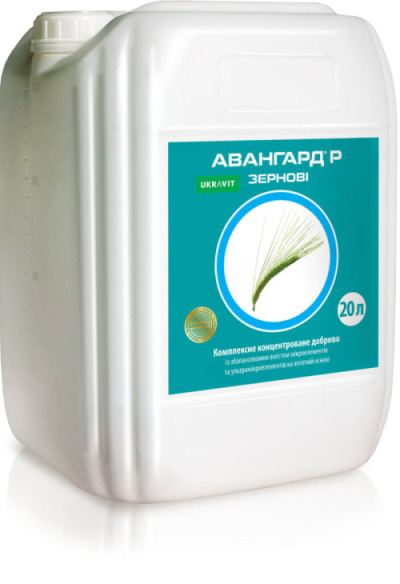
Avangard R Zernovi
A complex, concentrated, easily digestiblecereal fertilizer, which contains a balanced ratio of macro-, meso- and microelements. It is used for foliar feeding of grain crops:wheat winter and spring, rye, barley, oats, millet, triticale, cereal lawn grasses and for pre-sowing treatment of their seed material.
• ensures the activation of metabolic processes at the cellular level of cultures;
• increases field germination and the energy of seed germination, promotes the development of a well-developed root system;
• exhibits fungicidal properties, increases the immunity of crops, provides an anti-stress and stimulating effect;
• provides the needs of crops in biologically active elements of mineral nutrition, which are removed by the harvest;
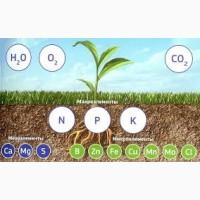
• activates the absorption of the main elements of mineral nutrition (N, P, K) by the root system by 10-15%;
• increases productivity by 12-17% and improves the quality of commercial products (content of protein, "raw gluten", nature of grain).
Mo Molybdenum - 0.1 g/l
MgO Magnesium - 40 g/l
Zn Zinc - 10 g/l
Mn Manganese - 12 g/l
Fe Iron - 5 g/l
B Boron - 3 g/l
SO3 Sulfur -116 g/l
K2O Potassium - 10 g/l
N Nitrogen - 60 g/l
Cu Copper - 12 g/l
Fodder cereal grasses, Cereal ear crops, Lawn grasses
Preparative form
Soluble concentrate
Chemical group
Fertilizers with trace elements
Toxicity
WHO classification: 4th class of danger(//tractor-service.com)
Packaging
20 l
Compatibility:
Compatible with most water-soluble fertilizers and plant protection products.
Mechanism of action:
Fast penetration through the cuticle and pores with a mineral nutrition absorption rate of 60-80%
Range of action:
Cereal ear crops
The maximum number of treatments:
3
Rate of consumption of working solution: 191
200-300 л/га
Features of application:
Pre-sowing treatment of seeds. 0.5-1.0 l of fertilizer per 1 ton of seeds is recommended to be used together with AVANGARD® R Start, GULIVER® Stimul and poison in one working solution.
General information. When growing grain crops, it is possible to distinguish the main critical phases, during which the greatest need for nutrients is observed, especially for trace elements that activate metabolic processes and improve productivity:
Phase 1 – seedling, the growth and development of the main stem is stimulated, the laying of lateral productive stems in the axils of the germ leaves, and the growth and development of the secondary root system is activated;
Phase 2 – 3-4 leaves. In this phase, foliar feeding ensures the activation of morphophysiological processes and allows to prepare cultures for sub-zero temperatures and for overwintering;
The 3rd phase of tillering is the beginning of emergence into the tube, the elements of the ear are laid - spikelets in the ear, flowers. In these phases, cultures respond well to fertilization with nitrogen, sulfur, phosphorus, copper, zinc, and manganese;
Phase 4 - the end of emergence into the tube - the beginning of earing, in these phases, foliar fertilization improves the processes of flowering, fertilization and formation of grains in the ear.
A complex, concentrated, easily digestiblecereal fertilizer, which contains a balanced ratio of macro-, meso- and microelements. It is used for foliar feeding of grain crops:wheat winter and spring, rye, barley, oats, millet, triticale, cereal lawn grasses and for pre-sowing treatment of their seed material.
• ensures the activation of metabolic processes at the cellular level of cultures;
• increases field germination and the energy of seed germination, promotes the development of a well-developed root system;
• exhibits fungicidal properties, increases the immunity of crops, provides an anti-stress and stimulating effect;
• provides the needs of crops in biologically active elements of mineral nutrition, which are removed by the harvest;
• activates the absorption of the main elements of mineral nutrition (N, P, K) by the root system by 10-15%;
• increases productivity by 12-17% and improves the quality of commercial products (content of protein, "raw gluten", nature of grain).
Mo Molybdenum - 0.1 g/l
MgO Magnesium - 40 g/l
Zn Zinc - 10 g/l
Mn Manganese - 12 g/l
Fe Iron - 5 g/l
B Boron - 3 g/l
SO3 Sulfur -116 g/l
K2O Potassium - 10 g/l
N Nitrogen - 60 g/l
Cu Copper - 12 g/l
Fodder cereal grasses, Cereal ear crops, Lawn grasses
Preparative form
Soluble concentrate
Chemical group
Fertilizers with trace elements
Toxicity
WHO classification: 4th class of danger(//tractor-service.com)
Packaging
20 l
Compatibility:
Compatible with most water-soluble fertilizers and plant protection products.
Mechanism of action:
Fast penetration through the cuticle and pores with a mineral nutrition absorption rate of 60-80%
Range of action:
Cereal ear crops
The maximum number of treatments:
3
Rate of consumption of working solution: 191
200-300 л/га
Features of application:
Pre-sowing treatment of seeds. 0.5-1.0 l of fertilizer per 1 ton of seeds is recommended to be used together with AVANGARD® R Start, GULIVER® Stimul and poison in one working solution.
General information. When growing grain crops, it is possible to distinguish the main critical phases, during which the greatest need for nutrients is observed, especially for trace elements that activate metabolic processes and improve productivity:
Phase 1 – seedling, the growth and development of the main stem is stimulated, the laying of lateral productive stems in the axils of the germ leaves, and the growth and development of the secondary root system is activated;
Phase 2 – 3-4 leaves. In this phase, foliar feeding ensures the activation of morphophysiological processes and allows to prepare cultures for sub-zero temperatures and for overwintering;
The 3rd phase of tillering is the beginning of emergence into the tube, the elements of the ear are laid - spikelets in the ear, flowers. In these phases, cultures respond well to fertilization with nitrogen, sulfur, phosphorus, copper, zinc, and manganese;
Phase 4 - the end of emergence into the tube - the beginning of earing, in these phases, foliar fertilization improves the processes of flowering, fertilization and formation of grains in the ear.
|
Author, contacts | |
OOO "TD "Svarog Agro"/ feedback, info. | |
|
Phone:
+38(xxxxxx
show
| |
All user ads ~179 | |
Ad ID: #811847
(added by a registered user)
Added / Updated: 09-10-2026 08:34 (current, until: 10-09-2027)
Permanent Ad Address:
Impressions / views for today: ?, total: ?