/ Fertilizers and plant protection products / Means for protective treatment of trees / Copper vitriol

For sale / buy
Copper vitriol, Dnipropetrovsk region.
Region:all Ukraine,
Dnipropetrovsk region.
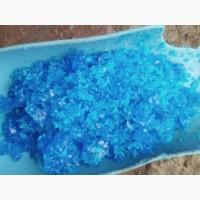
Copper(II) sulfate (copper sulfuric acid) (CuSO₄) in the nomenclature of minerals is known under several names: chalcanthite, butite, chalkyanite, etc. It is characterized as a non-flammable, fire- and explosive substance. It has high hygroscopicity. It dissolves well in water, alcohol and hydrochloric acid. Getting into a wet environment, it adds 5 water molecules, turning into copper sulfate (CuSO4·5H2O) - this is a crystal hydrate of copper sulfate. It consists of bright blue crystals that dissolve easily in water. In a dry environment, crystal hydrates lose water and turn into a white or white-gray powder.
Vitriol is the general (trivial) name of some sulfuric metal salts (copper, iron, zinc, etc.). In the systematic nomenclature, trivial names of such compounds are considered more convenient, rational and accepted worldwide.
Spheres of use of copper sulfate
Today, copper sulfate is used in all spheres of human activity, including in one's own household:
howfertilizer;
a source of microelements when fertilizing vegetable, berry and garden crops;
as a pesticide to combat plant diseases and pests;
as an antiseptic to protect homes and indoor spaces from rot and mold.
The list of applications of copper sulfate in only one area is impressive, but this substance is used in much larger volumes in the chemical and construction industry:
as a starting material for processes of inorganic synthesis (example: acetate fiber);
in the composition of electrolytes in galvanic technology during galvanic copper plating;
as a pigment for tanning skin;
asmortar when dyeing;
during flotation;
for antiseptic treatment of wood, etc.
Copper sulfate is also used in the food industry:
as a food supplement under the number K519;
the toxic properties of copper sulfate are used as a preservative;
in the production of some products, it is used as a coloring fixative, etc.
1. Medicinal preparation consisting of microfertilizers and medicinal solutions for plants.
copper is part of enzymes responsible for redox processes occurring in plant organs;
participates in nitrogen and carbohydrate exchanges, which increase the resistance of plants to the negative effects of fungal and bacterial infections;
The supply of copper to the organs of plants contributes to an increase in the content of sugars in root crops, berries and fruits, as well as protein and fats in oil crops, starch in potatoes, that is, it has a positive effect on the quality of fruits and at the same time increases the yield of cultivated crops.
2. Chemical preparation with contact-destructive action.
copper ions destroy the protective membranes of the spores and the mycelium itself;
interact with the enzyme complexes of the diseased cell; cause irreversible changes in the protoplasm of the cellular substance and the death of molds and rots, bacterial and other diseases;
the drug is effective against biting and sucking pests;
the drug is toxic for use on large areas; due to its toxicity, it is recommended for point application on small areas of summer cottages and home plots.
Period of application of copper sulfate
Copper sulfate is too acidic a solution and has a burning effect. Therefore, it is used for processing garden crops and berries:
before bud break, to protect them from chemical burns;
dissolved copper sulfate applied to the bark of trees does not harm the plant and is practically not washed away by rain;
after the fall of leaves.
Spraying with copper sulfate on the autumn leaves that have not fallen contributes to the ingress of excess copper into the soil. It accumulates in the soil and enters the plants. In increased quantities, it disrupts the metabolic processes occurring in plants during the growing season, causes the fall of leaves and ovaries.
Some gardeners and gardeners use weak solutions of copper sulfate (1-1.5% solution) to treat vegetative plants during the period of active pest activity (epiphytic reproduction and mass release of larvae). One-time spraying. Processing is carried out at least 10-20 days before harvesting.
Blue spraying is not used during the growing season on vegetable crops, replacing it with Bordeaux mixture.(//tractor-service.com)
Rules for treating plants with a solution of copper sulfate
When using copper sulfate to treat plants, it is necessary to strictly observe the recommended dosage of the drug in the solution (it is possible to burn plants with a solution prepared "by eye").
To treat plants in the early spring period, use a 1% solution of copper sulfate on young shrubs and trees and 3% on old ones with thick bark. When processing crops, it is important to observe the quantitative standards of solution consumption per plant.
Early spring treatment with copper sulfate is carried out in the first decade of March (before the swelling of the kidneys) at an average daily air temperature of +5...+6° C. In the fall, the treatment is repeated, but it is necessary to change the preparations in order to avoid the accumulation of copper in the soil.
The soil is disinfected with a 3-5% solution of copper sulfate, distributing itwith a sprayer over the surface, followed by embedding it in the soil. Processing is carried out once every 3-5 years with the obligatory application of humus or compost.
Before processing trees and berries, all sanitary preparatory work is carried out: old bark is removed, as well as branches, diseased, withered, growing inside the crown and bushes. Cuts and wounds are treated with disinfectant solutions, and after drying, they are painted with paint or sealed with garden compost.
Copper sulfate is incompatible with other drugs when preparing tank mixtures.
The effectiveness of the solution of copper sulfate increases with finely dispersed processing of plants.
When processing plants or soil, spraying is carried out in protective clothing, which must be changed after work, take a shower or wash the face and hands with soap.
Preparation of copper sulfate solution
Glass or plastic dishes are used to prepare a solution of copper sulfate. The easiest way is to prepare a solution for 10 liters of water. The solution is used on the day of preparation. Do not mix with other drugs, except for ice.
A weighed amount of the drug is poured into the container and, while stirring, pour 1 liter of hot water (water temperature no more than 45-50°C). In cold and warm water, vitriol dissolves slowly. The solution is cloudy. It interferes with the complete dissolution of vitriol crystals. Add 9 liters of hot water to 1 liter of the prepared concentrate. Allow the working solution of copper sulphate to cool, stir well again, filter out undissolved impurities and start processing the plants.
Consumption of a solution of copper sulfate for processing garden and berry plantings
When processing fruit and berry crops, it is very important not to "pour" the plant with a solution of copper sulfate, but sprinkle it, and the smaller the drops, the better the processing will be. The solution flowing from the plants in large drops will only worsen the condition of the soil, but will not correct the situation.
Based on the results of many years of observations of gardeners, the average amount of solutions of copper sulfate was derived for the optimal consumption per tree. Depending on the age of culture, the following data were obtained:
for a young tree up to 3 years old, the consumption of copper sulfate solution is up to 2 liters;
with the beginning of active branching at the age of 3-4 years, consumption increases to 3 liters per tree;
for a 4-6-year-old tree with a formed crown, the consumption of the solution is 4 l;
an adult, fruit-bearing tree is treated with 6 liters of copper sulfate solution;
for the treatment of bushes of fruit and berry crops, the consumption of the solution is up to 1.5 liters per bush;
for soil disinfection, regardless of the concentration of the solution, use 2 l/sq. square meters.
In the greenhouse or on the beds, the soil is disinfected with a solution of copper sulfate 0.5-1.0% concentration, for open soil in the garden, a 3-5% solution is used.
Spraying with copper sulfate (blue spraying) is carried out over the entire crown and trunk of the tree. In autumn, the spraying is repeated, but the copper sulfate is replaced with other preparations so that copper does not accumulate in the root-inhabited soil layer.
Protection of garden and berry crops from pests and diseases
Early spring and late autumn spraying with copper sulfate destroys up to 60-70% of overwintering larvae, adult pests, mycelia and fungal spores, and other diseases. Processing promotes the flow of honey to plant organs and removes chlorosis.
Spraying with copper sulfate is effective in the garden and berry against scab, spotting, moniliosis, coccomycosis, phyllosthicosis, chlorosis, exanthema, rust, rot, leaf curl, ascochitosis, powdery mildew and other diseases.
When planting seedlings to disinfect the root system from fungal and bacterial infections, the roots are immersed in a 1% solution of copper sulphate for 3-5 minutes. Longer disinfection can burn young roots.
Vitriol is the general (trivial) name of some sulfuric metal salts (copper, iron, zinc, etc.). In the systematic nomenclature, trivial names of such compounds are considered more convenient, rational and accepted worldwide.
Spheres of use of copper sulfate
Today, copper sulfate is used in all spheres of human activity, including in one's own household:
howfertilizer;
a source of microelements when fertilizing vegetable, berry and garden crops;
as a pesticide to combat plant diseases and pests;
as an antiseptic to protect homes and indoor spaces from rot and mold.
The list of applications of copper sulfate in only one area is impressive, but this substance is used in much larger volumes in the chemical and construction industry:
as a starting material for processes of inorganic synthesis (example: acetate fiber);
in the composition of electrolytes in galvanic technology during galvanic copper plating;
as a pigment for tanning skin;
asmortar when dyeing;
during flotation;
for antiseptic treatment of wood, etc.
Copper sulfate is also used in the food industry:
as a food supplement under the number K519;
the toxic properties of copper sulfate are used as a preservative;
in the production of some products, it is used as a coloring fixative, etc.
1. Medicinal preparation consisting of microfertilizers and medicinal solutions for plants.
copper is part of enzymes responsible for redox processes occurring in plant organs;
participates in nitrogen and carbohydrate exchanges, which increase the resistance of plants to the negative effects of fungal and bacterial infections;
The supply of copper to the organs of plants contributes to an increase in the content of sugars in root crops, berries and fruits, as well as protein and fats in oil crops, starch in potatoes, that is, it has a positive effect on the quality of fruits and at the same time increases the yield of cultivated crops.
2. Chemical preparation with contact-destructive action.
copper ions destroy the protective membranes of the spores and the mycelium itself;
interact with the enzyme complexes of the diseased cell; cause irreversible changes in the protoplasm of the cellular substance and the death of molds and rots, bacterial and other diseases;
the drug is effective against biting and sucking pests;
the drug is toxic for use on large areas; due to its toxicity, it is recommended for point application on small areas of summer cottages and home plots.
Period of application of copper sulfate
Copper sulfate is too acidic a solution and has a burning effect. Therefore, it is used for processing garden crops and berries:
before bud break, to protect them from chemical burns;
dissolved copper sulfate applied to the bark of trees does not harm the plant and is practically not washed away by rain;
after the fall of leaves.
Spraying with copper sulfate on the autumn leaves that have not fallen contributes to the ingress of excess copper into the soil. It accumulates in the soil and enters the plants. In increased quantities, it disrupts the metabolic processes occurring in plants during the growing season, causes the fall of leaves and ovaries.
Some gardeners and gardeners use weak solutions of copper sulfate (1-1.5% solution) to treat vegetative plants during the period of active pest activity (epiphytic reproduction and mass release of larvae). One-time spraying. Processing is carried out at least 10-20 days before harvesting.
Blue spraying is not used during the growing season on vegetable crops, replacing it with Bordeaux mixture.(//tractor-service.com)
Rules for treating plants with a solution of copper sulfate
When using copper sulfate to treat plants, it is necessary to strictly observe the recommended dosage of the drug in the solution (it is possible to burn plants with a solution prepared "by eye").
To treat plants in the early spring period, use a 1% solution of copper sulfate on young shrubs and trees and 3% on old ones with thick bark. When processing crops, it is important to observe the quantitative standards of solution consumption per plant.
Early spring treatment with copper sulfate is carried out in the first decade of March (before the swelling of the kidneys) at an average daily air temperature of +5...+6° C. In the fall, the treatment is repeated, but it is necessary to change the preparations in order to avoid the accumulation of copper in the soil.
The soil is disinfected with a 3-5% solution of copper sulfate, distributing itwith a sprayer over the surface, followed by embedding it in the soil. Processing is carried out once every 3-5 years with the obligatory application of humus or compost.
Before processing trees and berries, all sanitary preparatory work is carried out: old bark is removed, as well as branches, diseased, withered, growing inside the crown and bushes. Cuts and wounds are treated with disinfectant solutions, and after drying, they are painted with paint or sealed with garden compost.
Copper sulfate is incompatible with other drugs when preparing tank mixtures.
The effectiveness of the solution of copper sulfate increases with finely dispersed processing of plants.
When processing plants or soil, spraying is carried out in protective clothing, which must be changed after work, take a shower or wash the face and hands with soap.
Preparation of copper sulfate solution
Glass or plastic dishes are used to prepare a solution of copper sulfate. The easiest way is to prepare a solution for 10 liters of water. The solution is used on the day of preparation. Do not mix with other drugs, except for ice.
A weighed amount of the drug is poured into the container and, while stirring, pour 1 liter of hot water (water temperature no more than 45-50°C). In cold and warm water, vitriol dissolves slowly. The solution is cloudy. It interferes with the complete dissolution of vitriol crystals. Add 9 liters of hot water to 1 liter of the prepared concentrate. Allow the working solution of copper sulphate to cool, stir well again, filter out undissolved impurities and start processing the plants.
Consumption of a solution of copper sulfate for processing garden and berry plantings
When processing fruit and berry crops, it is very important not to "pour" the plant with a solution of copper sulfate, but sprinkle it, and the smaller the drops, the better the processing will be. The solution flowing from the plants in large drops will only worsen the condition of the soil, but will not correct the situation.
Based on the results of many years of observations of gardeners, the average amount of solutions of copper sulfate was derived for the optimal consumption per tree. Depending on the age of culture, the following data were obtained:
for a young tree up to 3 years old, the consumption of copper sulfate solution is up to 2 liters;
with the beginning of active branching at the age of 3-4 years, consumption increases to 3 liters per tree;
for a 4-6-year-old tree with a formed crown, the consumption of the solution is 4 l;
an adult, fruit-bearing tree is treated with 6 liters of copper sulfate solution;
for the treatment of bushes of fruit and berry crops, the consumption of the solution is up to 1.5 liters per bush;
for soil disinfection, regardless of the concentration of the solution, use 2 l/sq. square meters.
In the greenhouse or on the beds, the soil is disinfected with a solution of copper sulfate 0.5-1.0% concentration, for open soil in the garden, a 3-5% solution is used.
Spraying with copper sulfate (blue spraying) is carried out over the entire crown and trunk of the tree. In autumn, the spraying is repeated, but the copper sulfate is replaced with other preparations so that copper does not accumulate in the root-inhabited soil layer.
Protection of garden and berry crops from pests and diseases
Early spring and late autumn spraying with copper sulfate destroys up to 60-70% of overwintering larvae, adult pests, mycelia and fungal spores, and other diseases. Processing promotes the flow of honey to plant organs and removes chlorosis.
Spraying with copper sulfate is effective in the garden and berry against scab, spotting, moniliosis, coccomycosis, phyllosthicosis, chlorosis, exanthema, rust, rot, leaf curl, ascochitosis, powdery mildew and other diseases.
When planting seedlings to disinfect the root system from fungal and bacterial infections, the roots are immersed in a 1% solution of copper sulphate for 3-5 minutes. Longer disinfection can burn young roots.
Ad ID: #806012
(added by a registered user)
Permanent Ad Address:
Impressions / views for today: ?, total: ?
Similar recent ads
There are many interesting ones among them...



Total8 similar fresh adsin the rubric "Means for protective treatment of trees"
All Ukraine: Fertilizers and protective means plants 2857 / Means for protective treatment of trees 8
Dnipropetrovsk region: Fertilizers and protection means plants 164 / Means for protective treatment of trees 1