For sale / buy
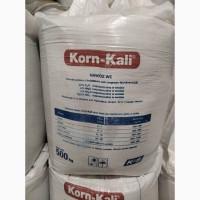
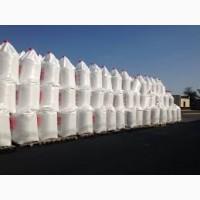
Potassium saltpeter, Dnipropetrovsk region.
Region:all of Ukraine,
Dnipropetrovsk region.
Potassium nitrate
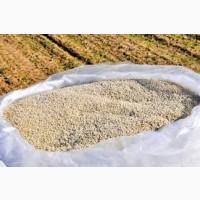
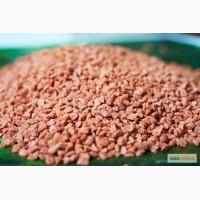
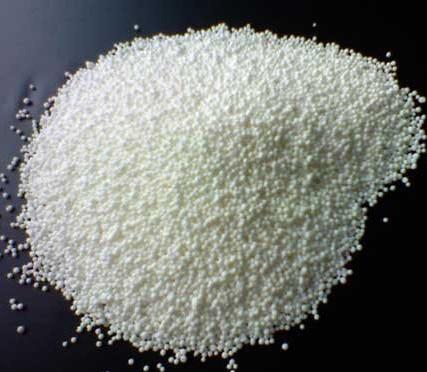
It is white crystals or powder with a yellowish-gray hue, odorless. Potassium nitrate dissolves well in water, is a strong oxidizer and reacts with combustible materials and reducing agents.
Density 2.109 g/cm³. Melting point - 334° C, boiling point (decomposition) - 400° C.
Chemical formula: KNO3
In nature, potassium nitrate is formed during the decomposition of organic substances as a result of the activity of nitrifying bacteria. Potassium nitrate is obtained by the exchange reaction between КСl and NaNO3 or by the action of HNO3 or nitrous gases (mainly NO2) on К2СО3 or КСl.
(//tractor-service.com)
Application of potassium nitrate (potassium nitrate, potassium nitrate).
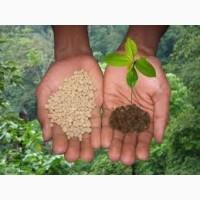
In agriculture, potassium nitrate is used as a double complex (nitrogen-potassium)fertilizer for plants that react poorly to chlorine: berry and citrus crops, beets, tobacco,grapes, and also as a microfertilizer in the greenhouse production of vegetables and indoor plants. Potassium content - about 44%, nitrogen content - about 13%.
The use of potassium nitrate (potassium nitrate) helps to optimize the suction power of the roots, balance the rates of respiration and photosynthesis, and improve the structure of plant tissues. The resistance of plants to adverse environmental conditions increases.
In addition, potassium nitrate is used in the electrovacuum industry and optical glassmaking to discolor and brighten crystal technical glasses and to strengthen glass products; in the production of smoke powders and special pyrotechnic mixtures, in the production of matches, enamels, coolants, in metallurgy for hardening metals, etc.
In the food industry, food grade potassium nitrate (preservative E252) is used to preserve various products. It is used in Dutch cheeses, meat products (sausages, bacon, ham, tongue, sausages, smoked sausages), pressed and canned meat.
It is white crystals or powder with a yellowish-gray hue, odorless. Potassium nitrate dissolves well in water, is a strong oxidizer and reacts with combustible materials and reducing agents.
Density 2.109 g/cm³. Melting point - 334° C, boiling point (decomposition) - 400° C.
Chemical formula: KNO3
In nature, potassium nitrate is formed during the decomposition of organic substances as a result of the activity of nitrifying bacteria. Potassium nitrate is obtained by the exchange reaction between КСl and NaNO3 or by the action of HNO3 or nitrous gases (mainly NO2) on К2СО3 or КСl.
(//tractor-service.com)
Application of potassium nitrate (potassium nitrate, potassium nitrate).
In agriculture, potassium nitrate is used as a double complex (nitrogen-potassium)fertilizer for plants that react poorly to chlorine: berry and citrus crops, beets, tobacco,grapes, and also as a microfertilizer in the greenhouse production of vegetables and indoor plants. Potassium content - about 44%, nitrogen content - about 13%.
The use of potassium nitrate (potassium nitrate) helps to optimize the suction power of the roots, balance the rates of respiration and photosynthesis, and improve the structure of plant tissues. The resistance of plants to adverse environmental conditions increases.
In addition, potassium nitrate is used in the electrovacuum industry and optical glassmaking to discolor and brighten crystal technical glasses and to strengthen glass products; in the production of smoke powders and special pyrotechnic mixtures, in the production of matches, enamels, coolants, in metallurgy for hardening metals, etc.
In the food industry, food grade potassium nitrate (preservative E252) is used to preserve various products. It is used in Dutch cheeses, meat products (sausages, bacon, ham, tongue, sausages, smoked sausages), pressed and canned meat.
Ad ID: #806006
(added by a registered user)
Permanent Ad Address:
Impressions / views for today: ?, total: ?
Similar recent ads
There are many interesting ones among them...