

Sell / buy
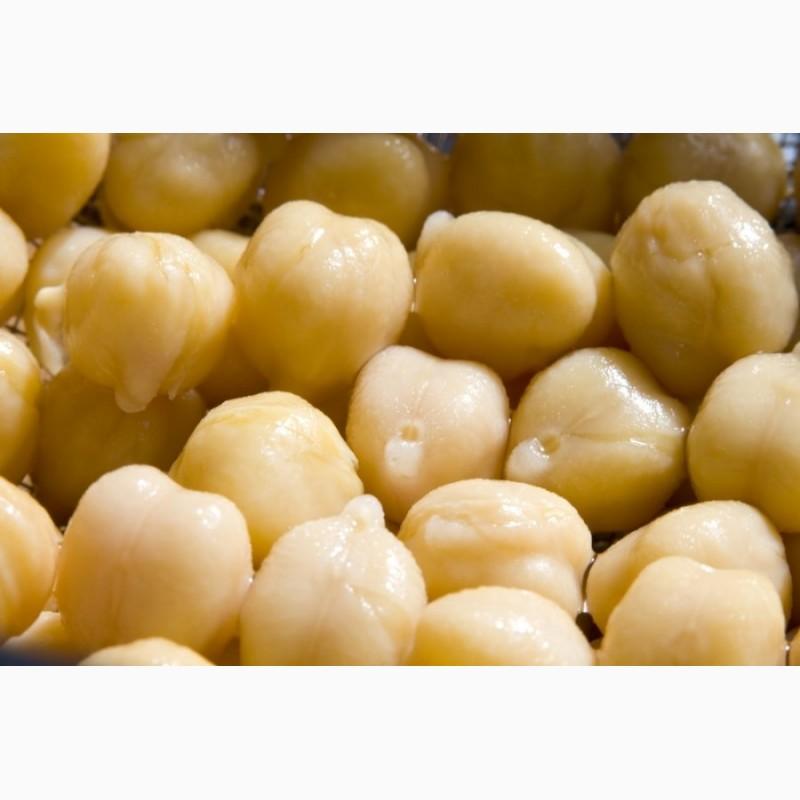
Canadian platte chickpea seeds, Poltava region.
Region:all of Ukraine,
Poltava region.
(G. Poltava)
Purpose of grain: Seed material
Quantity: 1000 tons
Today we offer one variety of Canadian white chickpea:
- drought-resistant variety PLATTE
OUR WEBSITE: http://semena-cernel.com
You can find the sowing instructions below or request it electronically by phone or e-mail.
From the Canadian varieties, we also offer: confectioner's sunflower, corn, coriander. It is characterized by increased drought resistance (up to + 65 C*), thanks to a substituted set of genes isolated from the camel's thorn that increase drought resistance.
resistant to abiotic stresses - well tolerates spring frosts in the stage of full development of the plant up to - 15С*, and in the seedling phase withstands temperature drops to - 12С*. This makes it possible to sow chickpeas at the earliest in the beginning of March.
resistant to high moisture content in the soil.
has stable immunity to all chickpea diseases affecting ordinary varieties. Such as: aschitosis, wilting of chickpeas, fusarium wilt, peronosporosis, bacteriosis, fomosis, virus deforming chickpea mosaic, gray mold, yellow bean mosaic and cucumber mosaic virus, etc. It is not affected by these diseases.
resistant to all harmful insects due to the introduction of the scorpion gene into the DNA cell structure. Such as: all types of aphids, mining flies, all types of wild, winter, cabbage, garden, pea, sawfly moths, wireworms, etc.).нута отпугивающих вредных насекомых поражающих обычные сорта нута. Таким как: все виды тли, минирующей мухой, все виды совок дикой, озимой, капустной, садовой, гороховой, моль пилильщик, проволочникам и т.д.).
Chickpeas are resistant to soil salinity.
the grain ripens evenly on the wholebean plant they do not crack and do not crumble, but are firmly held in the leaves of the bean pod until they fully ripen, thanks to this, chickpeas do not need desiccation, they are harvested directly by harvesters.
resistant to lodging due to a strong, powerful stem. Chickpea seeds are large chickpea caliber + 14, + 15. Protein content in chickpea is 70%.
Buy chickpea seeds from Canada Chickpea is an annual crop, quite cold-resistant, the minimum temperature for seed germination is + 2 C* + 3 C *. Chickpea - a bean with a history of 7500 years ago, it was grown in the territory of the Middle East. Remains of chickpeas were found during excavations of Neolithic settlements. In the Bronze Age in Greece and Rome, chickpeas were one of the main food crops, and its useful and even healing properties were recorded in the scientific works of the ancient physicians Aviacenna. It is difficult to overestimate the benefits of chickpeas, the seemingly inconspicuous bean contains a large amount of vegetable protein, fiber, unsaturated fats, and vital trace elements and iron. Chickpeas contain lysine - an irreplaceable amino acid obtained by humans only from food, vitamins B1 and B6 and B9, as well as 60 easily digestible carbohydrates, phosphorus, potassium, magnesium, molybdenum, manganese and 80 minerals. Hut grows in 30 countries of the world. 8.6 million hectares are planted. 90% of the entire area falls on tropical and subtropical Asia. These are the countries of India, China, and Pakistan; in Africa: Morocco, Tunisia, Ethiopia; in America: Colombia, Mexico. The root system is rod-shaped with a well-developed main root that penetrates the soil to a depth of up to 200 cm. About 50% of the root system develops at a depth of up to 20 cm. Nodules with nitrogen-fixing bacteria are formed on the roots. The stem is erect, branched, compressed, spreading. Branching begins near the base of the stem. The height of the chickpea plants reaches 140 cm. The color of the plants is green, the leaves are compound and odd-pinnate, consisting of 20 leaves. The color of the leaves is green with a purple tint. The leaves, stems and wings of the bean are covered with fine hairs, which play a protective role for plants. The flower is two-flowered, five-celled, large. The color of the corolla is white. The fruit is an oval-rhombic-shaped bean, 10 cm long with a parchment layer, does not crack when ripening due to the release of transparent resin, which glues the bean leaves together until fully ripe. Ripe beans are painted snow-white. The number of seeds in a bean is up to 8 pieces. The chickpea grain is characterized by the presence of an elongated nose at the bottom. The surface is smooth, reminiscent of the head of a black swift, the color of the grain husk is bright white. Chickpea PLATTE is a self-pollinating plant. It was bred in Canada in 2016, underwent variety tests for drought resistance in Canada, Egypt, South Africa, India, Iran, Namibia, Niger, Yemen, Angola, where the average tem. the air temperature was + 65 C. In these conditions, he showed excellent yield results in 2016, where the average yield was 45 cents per hectare. He also passed variety tests for drought resistance in Russia in the Krasnodar region, Turkmenistan, Kyrgyzstan, Uzbekistan, Kazakhstan.
The weight of 1000 seeds is 520 grams.
Germination - 98%(//tractor-service.com)
Growth energy - 98%
Humidity - 11%
Instructions for sowing spring Canadian chickpeas:
The rate of sowing per 1 ha is 100 kg with precision seed drills or seed drills of domestic production with grains of C 3-3.6, SKON - 4.2, Valga - 2000. Chickpea seeds are sown to a depth of 6-7 cm. Chickpeas can be sown both by the usual row method at 15 cm and by the ribbon method of 45 cm + 15 cm or by the wide row method 45 or 60 cm.
Sowing of Canadian PLATTE chickpeas begins in early March and lasts until May 20 inclusive.
Insecticides are not used, because resistant to all harmful insects
Herbicides: Harness 3 liters per 1 ha before or Pivot - 0.75 per 1 ha before seedlings Furore ultra 0.5 liters per 1 ha in any phases of the plant.
200-250 kg of nitroammophoska fertilizers are applied before sowing crops, during sowing, or after sowing chickpeas.
The vegetation period of PLATTE chickpeas from sowing to harvesting is 85 days (early).
Harvesting Chickpeas are harvested with Enisei, Don, Niva, Zhondyr, Keys combine harvesters.
OUR WEBSITE: http://semena-cernel.com
- drought-resistant variety PLATTE
OUR WEBSITE: http://semena-cernel.com
You can find the sowing instructions below or request it electronically by phone or e-mail.
From the Canadian varieties, we also offer: confectioner's sunflower, corn, coriander. It is characterized by increased drought resistance (up to + 65 C*), thanks to a substituted set of genes isolated from the camel's thorn that increase drought resistance.
resistant to abiotic stresses - well tolerates spring frosts in the stage of full development of the plant up to - 15С*, and in the seedling phase withstands temperature drops to - 12С*. This makes it possible to sow chickpeas at the earliest in the beginning of March.
resistant to high moisture content in the soil.
has stable immunity to all chickpea diseases affecting ordinary varieties. Such as: aschitosis, wilting of chickpeas, fusarium wilt, peronosporosis, bacteriosis, fomosis, virus deforming chickpea mosaic, gray mold, yellow bean mosaic and cucumber mosaic virus, etc. It is not affected by these diseases.
resistant to all harmful insects due to the introduction of the scorpion gene into the DNA cell structure. Such as: all types of aphids, mining flies, all types of wild, winter, cabbage, garden, pea, sawfly moths, wireworms, etc.).нута отпугивающих вредных насекомых поражающих обычные сорта нута. Таким как: все виды тли, минирующей мухой, все виды совок дикой, озимой, капустной, садовой, гороховой, моль пилильщик, проволочникам и т.д.).
Chickpeas are resistant to soil salinity.
the grain ripens evenly on the wholebean plant they do not crack and do not crumble, but are firmly held in the leaves of the bean pod until they fully ripen, thanks to this, chickpeas do not need desiccation, they are harvested directly by harvesters.
resistant to lodging due to a strong, powerful stem. Chickpea seeds are large chickpea caliber + 14, + 15. Protein content in chickpea is 70%.
Buy chickpea seeds from Canada Chickpea is an annual crop, quite cold-resistant, the minimum temperature for seed germination is + 2 C* + 3 C *. Chickpea - a bean with a history of 7500 years ago, it was grown in the territory of the Middle East. Remains of chickpeas were found during excavations of Neolithic settlements. In the Bronze Age in Greece and Rome, chickpeas were one of the main food crops, and its useful and even healing properties were recorded in the scientific works of the ancient physicians Aviacenna. It is difficult to overestimate the benefits of chickpeas, the seemingly inconspicuous bean contains a large amount of vegetable protein, fiber, unsaturated fats, and vital trace elements and iron. Chickpeas contain lysine - an irreplaceable amino acid obtained by humans only from food, vitamins B1 and B6 and B9, as well as 60 easily digestible carbohydrates, phosphorus, potassium, magnesium, molybdenum, manganese and 80 minerals. Hut grows in 30 countries of the world. 8.6 million hectares are planted. 90% of the entire area falls on tropical and subtropical Asia. These are the countries of India, China, and Pakistan; in Africa: Morocco, Tunisia, Ethiopia; in America: Colombia, Mexico. The root system is rod-shaped with a well-developed main root that penetrates the soil to a depth of up to 200 cm. About 50% of the root system develops at a depth of up to 20 cm. Nodules with nitrogen-fixing bacteria are formed on the roots. The stem is erect, branched, compressed, spreading. Branching begins near the base of the stem. The height of the chickpea plants reaches 140 cm. The color of the plants is green, the leaves are compound and odd-pinnate, consisting of 20 leaves. The color of the leaves is green with a purple tint. The leaves, stems and wings of the bean are covered with fine hairs, which play a protective role for plants. The flower is two-flowered, five-celled, large. The color of the corolla is white. The fruit is an oval-rhombic-shaped bean, 10 cm long with a parchment layer, does not crack when ripening due to the release of transparent resin, which glues the bean leaves together until fully ripe. Ripe beans are painted snow-white. The number of seeds in a bean is up to 8 pieces. The chickpea grain is characterized by the presence of an elongated nose at the bottom. The surface is smooth, reminiscent of the head of a black swift, the color of the grain husk is bright white. Chickpea PLATTE is a self-pollinating plant. It was bred in Canada in 2016, underwent variety tests for drought resistance in Canada, Egypt, South Africa, India, Iran, Namibia, Niger, Yemen, Angola, where the average tem. the air temperature was + 65 C. In these conditions, he showed excellent yield results in 2016, where the average yield was 45 cents per hectare. He also passed variety tests for drought resistance in Russia in the Krasnodar region, Turkmenistan, Kyrgyzstan, Uzbekistan, Kazakhstan.
The weight of 1000 seeds is 520 grams.
Germination - 98%(//tractor-service.com)
Growth energy - 98%
Humidity - 11%
Instructions for sowing spring Canadian chickpeas:
The rate of sowing per 1 ha is 100 kg with precision seed drills or seed drills of domestic production with grains of C 3-3.6, SKON - 4.2, Valga - 2000. Chickpea seeds are sown to a depth of 6-7 cm. Chickpeas can be sown both by the usual row method at 15 cm and by the ribbon method of 45 cm + 15 cm or by the wide row method 45 or 60 cm.
Sowing of Canadian PLATTE chickpeas begins in early March and lasts until May 20 inclusive.
Insecticides are not used, because resistant to all harmful insects
Herbicides: Harness 3 liters per 1 ha before or Pivot - 0.75 per 1 ha before seedlings Furore ultra 0.5 liters per 1 ha in any phases of the plant.
200-250 kg of nitroammophoska fertilizers are applied before sowing crops, during sowing, or after sowing chickpeas.
The vegetation period of PLATTE chickpeas from sowing to harvesting is 85 days (early).
Harvesting Chickpeas are harvested with Enisei, Don, Niva, Zhondyr, Keys combine harvesters.
OUR WEBSITE: http://semena-cernel.com
Ad ID: #769973
(added by registered by the user)
Permanent Ad Address:
Impressions / views for today: ?, total: ?
Similar recent ads
There are many interesting ones among them...
Filters: Chickpea seeds




Всього 71 схожих свіжих оголошень в рубриці «Нут»