/ Seeds, seedlings and seeding materials / Seedlings of fruit and berry bushes / Seedlings of currants / Seeds of currants Yadrenaya

Sell / buy
Seeds of currants Yadrenaya, Kyiv
Price20 UAH.
Region:
Kyiv
(M. Zhytomyrska)
Updated:
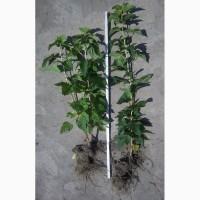
A medium-sized, semi-spreading bush with straight, matte shoots of medium thick, and medium dark green leaves with sharp, long teeth and a long brush (up to 8 cm, 3-8 berries). The most large-fruited of late varieties
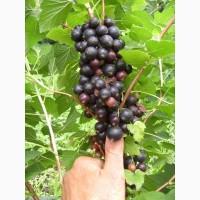
Berries (3.2-7.8 g), round or round-oval in shape, shiny black, with a thick skin and dense pulp, quite sour, but with a refreshing aroma. Berries with a dry tear, overripe on bushes, good transportability
Vitamin C content - 96 mg%. Tasting rating - 4.0 points. A medium-late ripening variety, early-ripening, yield 2.5 kg per bush, universal purpose. A variety of intensive type - requires fertile soils and good agricultural technology.
In case of poor care, the size of the berries is "sprawling", both very large and small berries are found. With good care,berries are bigger aligned.
Black currants, perhaps, one of the most favorite berries of our gardens. In addition to its unique taste, black currant is also very useful for the health of the body. Due to its useful healing properties, black currant is often used in folk medicine for medicinal purposes(//tractor-service.com)
Black currant is a relatively young culture. It was not known to the ancient Greeks and Romans.
Blackcurrant fruits are characterized by a valuable chemical composition - they are rich in vitamins, trace elements and other biologically active compounds, sugars, organic acids, pectin, tannins, coloring substances.
The acidity of the fruits of various varieties of black currant fluctuates within very significant limits - from 1.8 to 4.36%.
Blackcurrant fruits are one of the most valuable sources of biologically active phenolic substances that are capillary-strengthening, anti-sclerotic, anti-inflammatory.
vasodilating (antispasmodic) action..
Berries (3.2-7.8 g), round or round-oval in shape, shiny black, with a thick skin and dense pulp, quite sour, but with a refreshing aroma. Berries with a dry tear, overripe on bushes, good transportability
Vitamin C content - 96 mg%. Tasting rating - 4.0 points. A medium-late ripening variety, early-ripening, yield 2.5 kg per bush, universal purpose. A variety of intensive type - requires fertile soils and good agricultural technology.
In case of poor care, the size of the berries is "sprawling", both very large and small berries are found. With good care,berries are bigger aligned.
Black currants, perhaps, one of the most favorite berries of our gardens. In addition to its unique taste, black currant is also very useful for the health of the body. Due to its useful healing properties, black currant is often used in folk medicine for medicinal purposes(//tractor-service.com)
Black currant is a relatively young culture. It was not known to the ancient Greeks and Romans.
Blackcurrant fruits are characterized by a valuable chemical composition - they are rich in vitamins, trace elements and other biologically active compounds, sugars, organic acids, pectin, tannins, coloring substances.
The acidity of the fruits of various varieties of black currant fluctuates within very significant limits - from 1.8 to 4.36%.
Blackcurrant fruits are one of the most valuable sources of biologically active phenolic substances that are capillary-strengthening, anti-sclerotic, anti-inflammatory.
vasodilating (antispasmodic) action..
|
Author, contacts | |
Untitled/ reviews, info.: 2 | |
|
Phone:
+38 xxxxxx
show
| |
All user ads ~20 | |
Ad ID: #714701
(added by a registered user)
Added / Updated: 09-25-2026 18:12 (current, until: 09-25-2027)
Permanent Ad Address:
Impressions / views for today: ?, total: ?
Similar ads


Total30 similar adsin the heading "Currant seedlings"
All Ukraine: Seeds, seedlings and sowing materials 1219 / Seedlings fruit and berry bushes 191 / Seedlings of currants 30