/ Fertilizers and plant protection products / Herbicides / Clethodim herbicide 120g/l, for sunflower, soybean...
For sale / buy
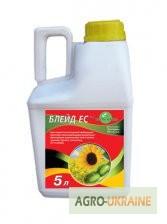
Kletodim herbicide 120g/l, for sunflower, soybean, rapeseed, against cereals, Kyiv
Region:all Ukraine,
Kyiv
(Prychalnaya)
Category: Herbicides
Chemical characteristics
Active substance content: cletodim 120 g/l
Chemical group: Cyclohexanediones
Preparative form: emulsion concentrate
Packaging: 10 l
Controls more than 40 types of cereal weeds, including such problematic ones as creeping wheatgrass, gumay, chicken millet, etc., as well as the carrion of cultivated cereals.
Compatible with most herbicides against dicotyledonous weeds, there is a synergistic effect.
High selectivity in relation to cultivated plants, the possibility of freely choosing the time of protective treatment regardless of the phase of crop development.
Provides an opportunity to abandon the use of soil herbicides
https://agro-himprom.com.ua/p446652254-gerbitsid-blejd-selekta.html
Mechanism of action
The active substance of the BLADE drug, when absorbed by the leaves and stems of weeds, penetrates the plant, concentrates in the growth points and blocks the biosynthesis of lipids. In dicotyledonous plants, the drug is included in the metabolism and is inactivated. The drug destroys both above-ground and underground (root) parts of cereals, preventing the growth of perennial species. Due to its selectivity, the drug does not cause phytotoxicity in dicotyledonous cultivated plants, on which it is recommended for use. The effect of the drug on cereal weeds is manifested on 3-5 days in the form of chlorosis of leaves and browning of growth points, plant death occurs 7-21 days after treatment.
Spectrum of action
Sensitive weeds
The drug controls more than 40 types of annual and perennial cereal weeds, including the carrion of cultivated cereals. The most sensitive to the action of BLADE are common plantain, common broom, wild oats (ovysug), common ryegrass, combed sedge, thornless sedge, small gooseberry, mouse barley, perennial weeds, combed ryegrass, creeping wheatgrass, pig's finger, gumi, various types of sedge, bromus, mouse and dewdrops.
Cost norms and terms of application.
Culture,
object that
being processed
Malicious
object
Cost norms
of the drug,
l/ha (t)
Method and terms.
application
Quantity
processing
Sunflower,
beets
sugar, soy,
rapeseed
Annual cereals
weeds
0.4 - 1.0
Spraying crops
in the phase of 2-6 leaves in weeds.
(regardless of the development phase
cultures)
1
Perennial cereals
weeds
1.4 - 1.8
Spraying crops
when the height of the weeds is 10-20 cm.
(regardless of the development phase
cultures)
For the information of the consumer: preparations with a similar active substance are also used in the world:
Culture,
object that
processed by(//tractor-service.com)
Malicious
object
Cost norms
of the drug,
l/ha (t)
Method and deadlines
application
Quantity
processing
Flax longhorn,
onions (except onions
on a pen), carrots,
peas, table
and fodder beet
Annual cereals
weeds
0.4 - 1.0
Spraying crops
in the phase of 2-6 leaves in weeds
(regardless of the development phase
cultures)
1
Perennial cereals
weeds
1.4 - 1.8
Spraying crops
when the height of the weeds is 10-20 cm.
(regardless of the development phase
cultures)
Properties of the drug
Thanks to its systemic effect, it promotes the rapid destruction of cereal weeds and their root system. There are no restrictions when used in crop rotation. Having a half-life of 1–3 days, excludes the ingress of cletodym into groundwater. Resistant to washing off an hour after application.(??? correct)
Recommendations for use
Application features
The minimum dosages of the drug are used in compliance with the optimal treatment terms, the maximum dosages are used in case of high contamination (more than 300 units/m2) or for overgrown weeds. It is advisable to carry out the treatment in the morning at a temperature of up to +25° C.
Spending rate
of the working solution
200-300 l/ha
Compatibility
The drug can be used in tank mixtures with other drugs except herbicides based on the active substances of bentazone and imazoquin.
In tank mixtures with herbicides against dicotyledonous weeds, BLADE shows a synergistic effect, which makes it possible to achieve significant savings by reducing the consumption rates of components by up to 20%. (???? correct)
However, in each specific case, before preparing the tank mixture, a trial test for compatibility should be carried out.
Restrictions
in application
It is not recommended to apply mineralfertilizers and growth stimulants within three weeks of applying the herbicide.
WHO classification, toxicological.
III class (malotoxic)
Storage of the drug
Storage conditions
The drug should be stored in specialized warehouses designed for the storage of pesticides, at a temperature from 0°С to +30°С.
Storage period
2 years from the date of manufacture in undamaged factory packaging
blade# clethodim # against lacquers # stefodim # centor # selenite # selenite # Cossack # herbicide Cossack # cetodim #
Chemical characteristics
Active substance content: cletodim 120 g/l
Chemical group: Cyclohexanediones
Preparative form: emulsion concentrate
Packaging: 10 l
Controls more than 40 types of cereal weeds, including such problematic ones as creeping wheatgrass, gumay, chicken millet, etc., as well as the carrion of cultivated cereals.
Compatible with most herbicides against dicotyledonous weeds, there is a synergistic effect.
High selectivity in relation to cultivated plants, the possibility of freely choosing the time of protective treatment regardless of the phase of crop development.
Provides an opportunity to abandon the use of soil herbicides
https://agro-himprom.com.ua/p446652254-gerbitsid-blejd-selekta.html
Mechanism of action
The active substance of the BLADE drug, when absorbed by the leaves and stems of weeds, penetrates the plant, concentrates in the growth points and blocks the biosynthesis of lipids. In dicotyledonous plants, the drug is included in the metabolism and is inactivated. The drug destroys both above-ground and underground (root) parts of cereals, preventing the growth of perennial species. Due to its selectivity, the drug does not cause phytotoxicity in dicotyledonous cultivated plants, on which it is recommended for use. The effect of the drug on cereal weeds is manifested on 3-5 days in the form of chlorosis of leaves and browning of growth points, plant death occurs 7-21 days after treatment.
Spectrum of action
Sensitive weeds
The drug controls more than 40 types of annual and perennial cereal weeds, including the carrion of cultivated cereals. The most sensitive to the action of BLADE are common plantain, common broom, wild oats (ovysug), common ryegrass, combed sedge, thornless sedge, small gooseberry, mouse barley, perennial weeds, combed ryegrass, creeping wheatgrass, pig's finger, gumi, various types of sedge, bromus, mouse and dewdrops.
Cost norms and terms of application.
Culture,
object that
being processed
Malicious
object
Cost norms
of the drug,
l/ha (t)
Method and terms.
application
Quantity
processing
Sunflower,
beets
sugar, soy,
rapeseed
Annual cereals
weeds
0.4 - 1.0
Spraying crops
in the phase of 2-6 leaves in weeds.
(regardless of the development phase
cultures)
1
Perennial cereals
weeds
1.4 - 1.8
Spraying crops
when the height of the weeds is 10-20 cm.
(regardless of the development phase
cultures)
For the information of the consumer: preparations with a similar active substance are also used in the world:
Culture,
object that
processed by(//tractor-service.com)
Malicious
object
Cost norms
of the drug,
l/ha (t)
Method and deadlines
application
Quantity
processing
Flax longhorn,
onions (except onions
on a pen), carrots,
peas, table
and fodder beet
Annual cereals
weeds
0.4 - 1.0
Spraying crops
in the phase of 2-6 leaves in weeds
(regardless of the development phase
cultures)
1
Perennial cereals
weeds
1.4 - 1.8
Spraying crops
when the height of the weeds is 10-20 cm.
(regardless of the development phase
cultures)
Properties of the drug
Thanks to its systemic effect, it promotes the rapid destruction of cereal weeds and their root system. There are no restrictions when used in crop rotation. Having a half-life of 1–3 days, excludes the ingress of cletodym into groundwater. Resistant to washing off an hour after application.(??? correct)
Recommendations for use
Application features
The minimum dosages of the drug are used in compliance with the optimal treatment terms, the maximum dosages are used in case of high contamination (more than 300 units/m2) or for overgrown weeds. It is advisable to carry out the treatment in the morning at a temperature of up to +25° C.
Spending rate
of the working solution
200-300 l/ha
Compatibility
The drug can be used in tank mixtures with other drugs except herbicides based on the active substances of bentazone and imazoquin.
In tank mixtures with herbicides against dicotyledonous weeds, BLADE shows a synergistic effect, which makes it possible to achieve significant savings by reducing the consumption rates of components by up to 20%. (???? correct)
However, in each specific case, before preparing the tank mixture, a trial test for compatibility should be carried out.
Restrictions
in application
It is not recommended to apply mineralfertilizers and growth stimulants within three weeks of applying the herbicide.
WHO classification, toxicological.
III class (malotoxic)
Storage of the drug
Storage conditions
The drug should be stored in specialized warehouses designed for the storage of pesticides, at a temperature from 0°С to +30°С.
Storage period
2 years from the date of manufacture in undamaged factory packaging
blade# clethodim # against lacquers # stefodim # centor # selenite # selenite # Cossack # herbicide Cossack # cetodim #
Ad ID: #703560
(added by a registered user)
Permanent Ad Address:
Impressions / views for today: ?, total: ?