/ Fertilizers and plant protection products / Various fertilizers and plant protection products + in assortment / I will sell limestone flour for soil deoxidation
Sell / buy
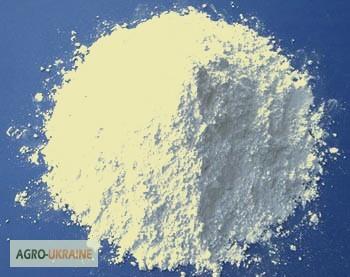
I will sell limestone flour for soil deoxidation, Lviv region.
Region:all Ukraine,
Lviv region.
(Lviv)
Limestone flour for soil loosening, packaged from 10 to 40 kg.
dobrobud.info
Acidic soils are the problem of many owners. It turns out that almost all cultivated plants prefer neutral or slightly acidic soils, while weed lovers are found on acidic soils. What to do? Acidify the soil - i.e. liming it.
We will talk about when the soil will be deacidified, how and with what the soil will be deacidified.
How to determine soil acidity?
We will remind you that acidic soil has a pH of up to 5.5, neutral soil has a pH of 5.5-7, and alkaline soil has a pH above 7.
Before deacidifying the soil, you need to make sure that it is really acidic in your area. It often happens that the acidity of the soil can vary significantly within one garden area, so this indicator must be determined locally.
Ideally, you need to use a pH meter or litmus paper, but where to get them in the country? That is why we use the so-called folk methods. By the way, if, for example, beets do not grow well on the bed, then it should not be concluded that the soil is highly acidic. Yes, beetroot does not like acidic soil, but it can be weak not only because of this.
1 method of determining soil acidity
Put a couple of cherry or currant leaves in a small container and pour boiling water over them. When the water cools down a little, add a lump of soil to the "tea" and watch. If the soil is slightly acidic, the water will turn greenish, neutral - blue, acidic - red.
2 method of determining soil acidity
Pour about 2 tablespoons of the tested soil into a bottle with a narrow neck, wrap crushed chalk (1 teaspoon) in a newspaper, and put a thimble on the neck. Wrap the bottle with a cloth or newspaper and shake for five minutes. If the soil is acidic, it will react to the presence of chalk by releasing carbon dioxide, and the fingernail will be completely inflated; if the soil is weakly acidic - the palm is half inflated; a swollen index finger indicates a neutral ground.
(//tractor-service.com)
You can read more about the methods of determining acidity here.
What garden plants like acidic soils?
d111028b1aa544f59bb64deba809fa50 Soil deoxidation in the garden Horsetail is a sure sign of acidic soil
Among cultivated plants, some decorative plants like acidic soils: rhododendrons, hydrangeas, ferns, foxgloves, heathers, lupines, rhubarb. The following weeds grow on acidic soil: horsetail, horse sorrel, sorrel, sedge, Ivan-da-Marya, plantain, marigold, wild mint, tricolor violet.
Carrots, lettuce, and potatoes do well on slightly acidic soil. The soil for these plants does not need to be deoxidized. The slightly acidic soil is also indicated by the presence of such weeds as dandelion, clover, mother-and-stepmother, wheatgrass, and chamomile.
Neutral soil is preferred by most plants: beetroot, horseradish, legumes, cabbage of all kinds, onion, pepper, pumpkin, garlic, flax, spinach, honeysuckle,grapes, cherry, plum,currant, wrinkled rose, milk thistle, yarrow, water lily, cornflower, aster, buttercup, amaranth, gorse, snapdragon. Among the weeds, the neutrality of the soil is indicated by nettles, sorrel, sorrel, quinoa, birch, burdock, thistle.
Soil deoxidation
So, you have determined that the soil is acidic, and you want to deacidify the soil. The following substances can help in this:
Soil deoxidation with limestone.
Probably the most popular method of soil deoxidation. It is best to liming the soil in the fall, so that the neutralization reaction has time to take place in the soil, and to apply mineralfertilizers in the spring. There are several lime fertilizers for soil deoxidation:
- ground limestone, the best option for soil deoxidation. In addition to calcium carbonate (CaCO3), it also contains magnesium carbonate (MgCO3).
– fluff (slaked lime, Ca(OH)2). Very actively neutralizes soil acidity. If you have calcium oxide (CaO) - quicklime, you can simply slake it with water and get the same fluff.
Ad ID: #693117
(added by a registered user)
Permanent Ad Address:
Impressions / views for today: ?, total: ?
Similar recent ads
There are many interesting ones among them...




Total2850 similar fresh adsin the section "Fertilizers and plant protection products"