

For sale / buy
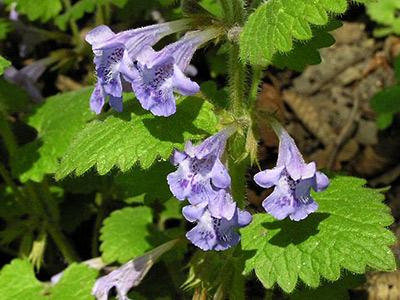
Juice budry ivy, Dnipropetrovsk region.
Price120 UAH.
Region:all of Ukraine,
Dnipropetrovsk region.
(Https://dobriy-lis.all.biz/)
Updated:
Budra ivy: chemical composition of the plant
The herb contains succinic acid, higher fatty acids, phenolic acids, triterpenoids, amino acid - methionine, alkaloids - 0.1%, tannins - 6-7.5%, bitter substances, flavonoids, iridoids - 1.28%, vitamin C - 80 mg%, carotene, choline. Most essentialoil accumulates in the leaves.
There are many useful substances in the herbaceous part of the plant. It is the rich composition of the plant that determines the use of ivy budra in many branches of medicine (including conservative medicine), to increase appetite, etc., in the pharmaceutical industry - to create the fragrance of medicinal preparations.
Budra ivy: application in medicine
For the treatment and prevention of various diseases, the flowering ground part of the ivy budra is used. Budra grass is mainly used as a tonic for the body. Medicinal properties of ivy budra also cover the field of gastroenterology: it relieves pain in gastritis, colitis, erosions and ulcers. The plant is an excellent pain reliever for liver and kidney colic, problems with the gall bladder and pancreas. In Great Britain and a number of Western countries, it is very popular as a traditional medicine for pneumonia, asthma, liver diseases, endocrine pathologies, against kidney stones, and heavy metal poisoning.
Budra ivy is used as an anti-inflammatory agent of systemic and external action not only for any infectious diseases, including the throat, lungs, upper respiratory tract, but also as an antiseptic agent for rubbing ulcers, boils, festering wounds on the skin, mucous membranes, in the treatment of conjunctivitis, burns and even scabies with the help of budra ivy.
Budroy treatment brings positive results for pleurisy, asthma, pneumonia, chronic bronchitis, whooping cough, as well as thrombophlebitis, varicose veins. The plant is also useful for joint diseases, including gout, as well as for removing fine sand from the kidneys, treating cystitis and pyelonephritis, strengthening the immune system, and purifying the blood in oncology.
Budra juice is used in folk medicine:
• How biliary — with jaundice, gallstone disease, hepatic colic;
• As a diuretic — for diseases of the bladder and especially urolithiasis;
• Kak obscheukreplyaushche — for nervous and mental disorders (neurosis, hysteria, psychosis);
• As gastrointestinal and anti-inflammatory — for acute and chronic gastritis, enteritis, enterocolitis, dyspepsia;
• As a "blood purifier" - for benign and malignant tumors (especially for liver cancer and liver cirrhosis);
• As a pain reliever — for pain in the bladder and kidneys, stomach and intestines, migraines, gastralgia, joint pain, toothache;
• As an expectorant, diaphoretic, antipyretic, tonic agent;
• With bronchitis, bronchial asthma, cough, tracheitis, pleurisy, inflammation of the lungs;
• With pulmonary tuberculosis, shortness of breath, hemoptysis, pulmonary bleeding;
• In diseases of the spleen;(//tractor-service.com)
• When menstruation stops;
• With goiter, strangulation, inflammation of the tonsils;
• In the form of a douching - with white hair, gonorrhea, edema;
• In the form of poultices — for tumors, panaritsia, phlegmons;
• In the form of lotions and washed - for conjunctivitis and lacrimation;
• In the form of gargle - for sore throats and ulcers in the oral cavity;
• Externally (in the form of baths, compresses) — for scrofula, gout, bone fractures and dislocations, spasms of limbs;
• Externally (in the form of baths, compresses) — for pain in women in labor;
• In the form of inhalations — with catarrh of the upper respiratory tract and chronic runny nose;
Juice
• The juice of the grass is instilled in the nose with a runny nose. The juice of the plant is more effective than its decoction and tincture. Inhalation with juice is recommended for flu-like diseases, purulent bronchitis.
• The juice of the plant is instilled in the nose (1-2 drops) in case of a headache.
• Juice from fresh budra grass is taken 10–15 drops 3 times a day before meals, diluting with water. Fresh juice from budra grass can be preserved with alcohol for long-term use.
• In Ukraine — for hearing loss, jaundice, liver tumors, dropsy, malaria, anemia, jaundice, bone fractures (as an analgesic), scabies (infusion of leaves onvinegar rub the affected areas 2 times a day), as well as as a tonic, expectorant, diuretic, antiseptic agent. For lacrimation, lotions are made from decoction, and even better from fresh juice.
In Karelia, it is used for diseases of the thyroid gland, respiratory infections, ulcers, laryngitis (fumes of the broth are inhaled), throat diseases - in the form of compresses and gargled as an anthelmintic (Yudina, 1988).
• In Bulgaria, budru is used for pain in the stomach and intestines, for malaria, as a means that promotes the separation of sand.
• Fresh juice of Budra ivy herb is a good remedy for migraines. Ego is instilled in the nose, 2-3 drops in each nostril.
• Ulcers and burns are washed with the juice, instilled in the nose for headaches.
• Fresh plant juice is more effective for treatment than tincture and decoction.
The herb contains succinic acid, higher fatty acids, phenolic acids, triterpenoids, amino acid - methionine, alkaloids - 0.1%, tannins - 6-7.5%, bitter substances, flavonoids, iridoids - 1.28%, vitamin C - 80 mg%, carotene, choline. Most essentialoil accumulates in the leaves.
There are many useful substances in the herbaceous part of the plant. It is the rich composition of the plant that determines the use of ivy budra in many branches of medicine (including conservative medicine), to increase appetite, etc., in the pharmaceutical industry - to create the fragrance of medicinal preparations.
Budra ivy: application in medicine
For the treatment and prevention of various diseases, the flowering ground part of the ivy budra is used. Budra grass is mainly used as a tonic for the body. Medicinal properties of ivy budra also cover the field of gastroenterology: it relieves pain in gastritis, colitis, erosions and ulcers. The plant is an excellent pain reliever for liver and kidney colic, problems with the gall bladder and pancreas. In Great Britain and a number of Western countries, it is very popular as a traditional medicine for pneumonia, asthma, liver diseases, endocrine pathologies, against kidney stones, and heavy metal poisoning.
Budra ivy is used as an anti-inflammatory agent of systemic and external action not only for any infectious diseases, including the throat, lungs, upper respiratory tract, but also as an antiseptic agent for rubbing ulcers, boils, festering wounds on the skin, mucous membranes, in the treatment of conjunctivitis, burns and even scabies with the help of budra ivy.
Budroy treatment brings positive results for pleurisy, asthma, pneumonia, chronic bronchitis, whooping cough, as well as thrombophlebitis, varicose veins. The plant is also useful for joint diseases, including gout, as well as for removing fine sand from the kidneys, treating cystitis and pyelonephritis, strengthening the immune system, and purifying the blood in oncology.
Budra juice is used in folk medicine:
• How biliary — with jaundice, gallstone disease, hepatic colic;
• As a diuretic — for diseases of the bladder and especially urolithiasis;
• Kak obscheukreplyaushche — for nervous and mental disorders (neurosis, hysteria, psychosis);
• As gastrointestinal and anti-inflammatory — for acute and chronic gastritis, enteritis, enterocolitis, dyspepsia;
• As a "blood purifier" - for benign and malignant tumors (especially for liver cancer and liver cirrhosis);
• As a pain reliever — for pain in the bladder and kidneys, stomach and intestines, migraines, gastralgia, joint pain, toothache;
• As an expectorant, diaphoretic, antipyretic, tonic agent;
• With bronchitis, bronchial asthma, cough, tracheitis, pleurisy, inflammation of the lungs;
• With pulmonary tuberculosis, shortness of breath, hemoptysis, pulmonary bleeding;
• In diseases of the spleen;(//tractor-service.com)
• When menstruation stops;
• With goiter, strangulation, inflammation of the tonsils;
• In the form of a douching - with white hair, gonorrhea, edema;
• In the form of poultices — for tumors, panaritsia, phlegmons;
• In the form of lotions and washed - for conjunctivitis and lacrimation;
• In the form of gargle - for sore throats and ulcers in the oral cavity;
• Externally (in the form of baths, compresses) — for scrofula, gout, bone fractures and dislocations, spasms of limbs;
• Externally (in the form of baths, compresses) — for pain in women in labor;
• In the form of inhalations — with catarrh of the upper respiratory tract and chronic runny nose;
Juice
• The juice of the grass is instilled in the nose with a runny nose. The juice of the plant is more effective than its decoction and tincture. Inhalation with juice is recommended for flu-like diseases, purulent bronchitis.
• The juice of the plant is instilled in the nose (1-2 drops) in case of a headache.
• Juice from fresh budra grass is taken 10–15 drops 3 times a day before meals, diluting with water. Fresh juice from budra grass can be preserved with alcohol for long-term use.
• In Ukraine — for hearing loss, jaundice, liver tumors, dropsy, malaria, anemia, jaundice, bone fractures (as an analgesic), scabies (infusion of leaves onvinegar rub the affected areas 2 times a day), as well as as a tonic, expectorant, diuretic, antiseptic agent. For lacrimation, lotions are made from decoction, and even better from fresh juice.
In Karelia, it is used for diseases of the thyroid gland, respiratory infections, ulcers, laryngitis (fumes of the broth are inhaled), throat diseases - in the form of compresses and gargled as an anthelmintic (Yudina, 1988).
• In Bulgaria, budru is used for pain in the stomach and intestines, for malaria, as a means that promotes the separation of sand.
• Fresh juice of Budra ivy herb is a good remedy for migraines. Ego is instilled in the nose, 2-3 drops in each nostril.
• Ulcers and burns are washed with the juice, instilled in the nose for headaches.
• Fresh plant juice is more effective for treatment than tincture and decoction.
|
Shop, contacts | |
Yuriy Yuryevich / feedback, info. / activity evaluation | |
|
Phone:
(067xxxxxx
show
| |
| https://dobriy-lis.all.biz/ | |
All ads user ~57 | |
Ad ID: #658067
(added by registered user, registration date: 2014-08-20)
Added / Updated: 07-07-2026 06:14 (current, until: 07-07-2027)
Permanent Ad Address:
Impressions / views for today: ?, total: ?
Similar ads
Among them there are many interesting ones...