For sale / buy
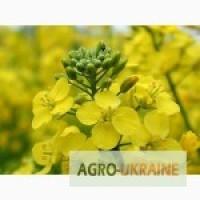
Atlant rape seeds, Kherson region.
Region:All Ukraine,
Khersonsk region.
Purpose of grain: Seed material
Purpose of winter rapeseed variety "ATLANT": production of edible oil and meal. Entered into the Register of varieties of Ukraine in 2002, and has permission for cultivation without restrictions.
VARIETY INFORMATION
Originator Institute ofOil Cultures, Zaporozhye
Vegetation period is 306 days.
Genetic yield potential of 52 t/ha
BIOLOGICAL AND AGRICULTURAL CHARACTERISTICS
The height of the plants is 150-160 cm.
The stem is round in shape, 10-12 mm thick, has 5-6 branches of the first order.
Resistance to laying and shedding of seeds is high.
Seeds of black color, round shape, mass 1000 pcs. 5.6 g
Oil content in seeds 43%
The content of erucic acid in the oil is 0.5%
Content of glucosinolates in seeds up to 25 μmol/g
Winter resistance 72%
ADVANTAGES OF "ATLANT" RAPSE:(//tractor-service.com)
resistance to cold, drought;
possibility of mechanized cultivation;
accelerated set of vegetative mass;
resistance to bacteriosis, other diseases;
resistance to rotting, cracking, crumbling;
can be combined with the "Anna" variety.
Even with a partial frost, "Atlant" gives a good harvest, as the remaining stems quickly branch, occupy the freed space and suppress weeds naturally. For this reason, it is one of the most common varieties of rapeseed. Since there are practically no weeds in the "Atlanta" fields, it is possible to harvest the crop by the direct combine method.
PROCESSING
In order to ensure simultaneous ripening, it is possible to "insure" and make desiccation with the help of raglon. Processing rate - 2-3 liters / ha. It is necessary to process 7-10 days beforeplanned harvesting. "Atlant", as well as other varieties of rapeseed, should be harvested at a maximum seed moisture content of 15 percent. Otherwise, gluing and deterioration of product characteristics are possible.
DEMAND OF RAPAS
The "Atlant" variety is in demand fortechnical purposes and is an excellent raw material for the production of lubricants due to the relatively high content of erucic acid. Possible application in the steel industry and other technical purposes. For example, in recent years, rapeseed is actively considered as a raw material for biofuel, the production of which will cost less than any other.
VARIETY INFORMATION
Originator Institute ofOil Cultures, Zaporozhye
Vegetation period is 306 days.
Genetic yield potential of 52 t/ha
BIOLOGICAL AND AGRICULTURAL CHARACTERISTICS
The height of the plants is 150-160 cm.
The stem is round in shape, 10-12 mm thick, has 5-6 branches of the first order.
Resistance to laying and shedding of seeds is high.
Seeds of black color, round shape, mass 1000 pcs. 5.6 g
Oil content in seeds 43%
The content of erucic acid in the oil is 0.5%
Content of glucosinolates in seeds up to 25 μmol/g
Winter resistance 72%
ADVANTAGES OF "ATLANT" RAPSE:(//tractor-service.com)
resistance to cold, drought;
possibility of mechanized cultivation;
accelerated set of vegetative mass;
resistance to bacteriosis, other diseases;
resistance to rotting, cracking, crumbling;
can be combined with the "Anna" variety.
Even with a partial frost, "Atlant" gives a good harvest, as the remaining stems quickly branch, occupy the freed space and suppress weeds naturally. For this reason, it is one of the most common varieties of rapeseed. Since there are practically no weeds in the "Atlanta" fields, it is possible to harvest the crop by the direct combine method.
PROCESSING
In order to ensure simultaneous ripening, it is possible to "insure" and make desiccation with the help of raglon. Processing rate - 2-3 liters / ha. It is necessary to process 7-10 days beforeplanned harvesting. "Atlant", as well as other varieties of rapeseed, should be harvested at a maximum seed moisture content of 15 percent. Otherwise, gluing and deterioration of product characteristics are possible.
DEMAND OF RAPAS
The "Atlant" variety is in demand fortechnical purposes and is an excellent raw material for the production of lubricants due to the relatively high content of erucic acid. Possible application in the steel industry and other technical purposes. For example, in recent years, rapeseed is actively considered as a raw material for biofuel, the production of which will cost less than any other.
Ad ID: #615140
(added by a registered user)
Permanent Ad Address:
Impressions / views for today: ?, total: ?
Similar recent ads
Among them there are many interesting ones...