For sale / buy
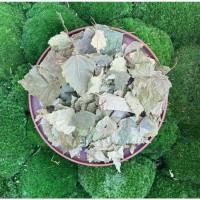
Toloknyanka leaf, oregano, bear's ear 50g, Vinnytsia region.
Region:
Vinnytsia reg.
(?_.,:\\\\\\\\"/-№)
Crush leaf, flour, bear's ear 50g
Arctostaphylos uva ursi L. The heather family is Ericaceae.
It grows in the pine forests of the Trans-Volga region. The leaves of the plant are used for medicinal purposes. Common gorse is an evergreen low semi-shrub. Its stems are creeping, strongly branched, with yellow bark, densely leafy branches, small flowers collected in short drooping brushes.
(//tractor-service.com)
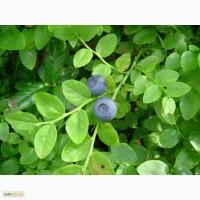
The leaves are small, leathery, similar to lingonberry leaves. Flowers with a white-pink pitcher corolla. Fruits are spherical red tasteless, floury drupes.
The leaves of toloknyanka are collected during the period of its flowering - in May and June. In order not to mix up the gorse with the very similar cranberrycranberry, you need to know the distinguishing features of both plants.
Lingonberry grows mostly as a climbing bush, and gorse grows as a creeping bush. Lingonberry leaves are large, slightly curved, slightly toothed, and the underside is dotted with dark brown dots, which is absent in lingonberry.Berries lingonberries are juicier, while lingonberries are only moist, with a floury mass. The leaves of toloknianka contain the glycoside arbutin, which has a diuretic effect, and various tannins. Therefore, the leaves of this plant have an astringent, diuretic and disinfecting effect on the body.
In scientific medicine, a decoction of the leaves of the common gorse is used for inflammation of the renal pelvis and bladder.
Arctostaphylos uva ursi L. The heather family is Ericaceae.
It grows in the pine forests of the Trans-Volga region. The leaves of the plant are used for medicinal purposes. Common gorse is an evergreen low semi-shrub. Its stems are creeping, strongly branched, with yellow bark, densely leafy branches, small flowers collected in short drooping brushes.
(//tractor-service.com)
The leaves are small, leathery, similar to lingonberry leaves. Flowers with a white-pink pitcher corolla. Fruits are spherical red tasteless, floury drupes.
The leaves of toloknyanka are collected during the period of its flowering - in May and June. In order not to mix up the gorse with the very similar cranberrycranberry, you need to know the distinguishing features of both plants.
Lingonberry grows mostly as a climbing bush, and gorse grows as a creeping bush. Lingonberry leaves are large, slightly curved, slightly toothed, and the underside is dotted with dark brown dots, which is absent in lingonberry.Berries lingonberries are juicier, while lingonberries are only moist, with a floury mass. The leaves of toloknianka contain the glycoside arbutin, which has a diuretic effect, and various tannins. Therefore, the leaves of this plant have an astringent, diuretic and disinfecting effect on the body.
In scientific medicine, a decoction of the leaves of the common gorse is used for inflammation of the renal pelvis and bladder.
Ad ID: #387082
(added by unregistered user)
Permanent Ad Address:
Impressions / views for today: ?, total: ?
Similar recent ads
There are many interesting ones among them...