

For sale / buy
Polyurethane self-supporting units, Kharkiv region.
Region:
Kharkiv region.
(Kharkov city, Shevchenko street, 111)
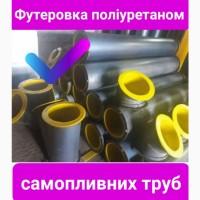
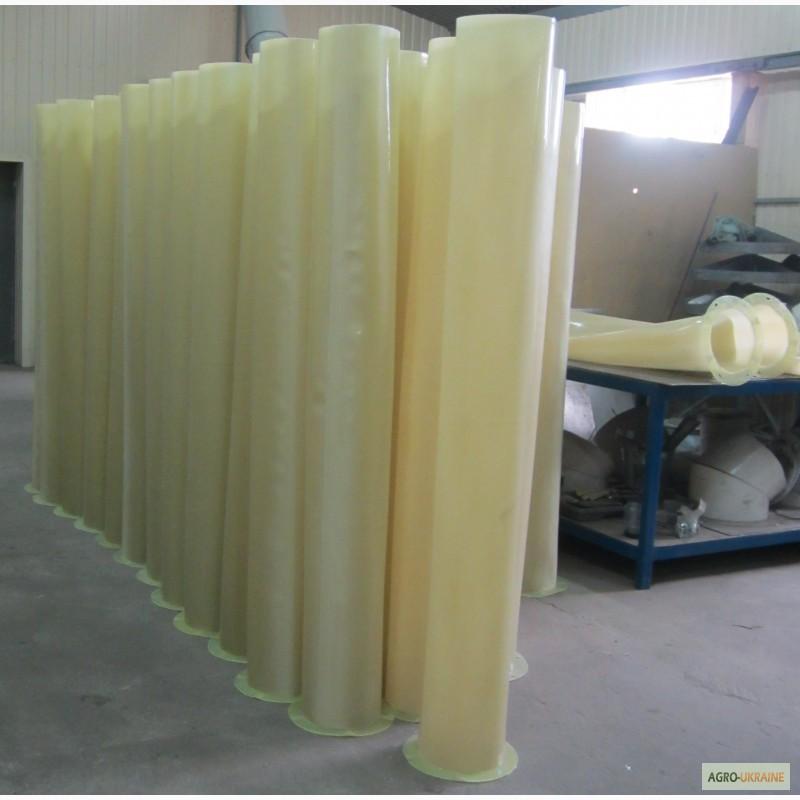
Polyurethane lining of grain conveyors (self-propelled) and elbows, hole heads, conveyors.
Abrasive wear resistance of polyurethane is approximately 4 times higher than that ofrubbers, and 6...10 times higher than that of steel grades C and T1.
Is it worth changing worn steel grain lines for new ones? We will answer - it is not worth it. There is an alternative - lining worn grain lines with polyurethane. Lining (German: Futter - lining, lining) - a special insert or finishing of the inner surface of grain lines to ensure protection of the surface from abrasion. It is more profitable and much more reliable!(//tractor-service.com)
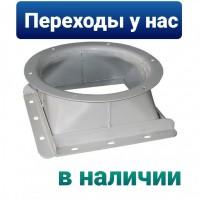
Let's take a look at our experience using self-flowing grain conveyors lined with polyurethane. When using steel self-flowing machines, dry grain (especially corn and barley) very quickly wipes the walls of steel elbows, transitions, pipes and other self-flowing equipment. Replacement of worn-out self-flows requires large material and time costs. Therefore, as a rule, repairs are carried out by the fastest and most affordable methods: rubber garter, tarpaulin or welding of metal patches in places where grain spills. And, depending on the service life, we have up to one hundred percent self-tapping screws, which are covered from the outside with patches and garters.
But what do we leave inside? And inside we leave well-sharpened cascades of knives that grind everything that moves towards them. Naturally, due to grain crushing and injury, losses increase and the quality of production decreases. As a resultelevators bear 170 миллионные убытки. Но есть способ защитить поверхность зернопроводов, продлить их срок эксплуатации и соответственно значительно уменьшить потери зерна от дробления. Это футеровка полиуретаном.
Abrasive wear resistance of polyurethane is approximately 4 times higher than that ofrubbers, and 6...10 times higher than that of steel grades C and T1.
Is it worth changing worn steel grain lines for new ones? We will answer - it is not worth it. There is an alternative - lining worn grain lines with polyurethane. Lining (German: Futter - lining, lining) - a special insert or finishing of the inner surface of grain lines to ensure protection of the surface from abrasion. It is more profitable and much more reliable!(//tractor-service.com)
Let's take a look at our experience using self-flowing grain conveyors lined with polyurethane. When using steel self-flowing machines, dry grain (especially corn and barley) very quickly wipes the walls of steel elbows, transitions, pipes and other self-flowing equipment. Replacement of worn-out self-flows requires large material and time costs. Therefore, as a rule, repairs are carried out by the fastest and most affordable methods: rubber garter, tarpaulin or welding of metal patches in places where grain spills. And, depending on the service life, we have up to one hundred percent self-tapping screws, which are covered from the outside with patches and garters.
But what do we leave inside? And inside we leave well-sharpened cascades of knives that grind everything that moves towards them. Naturally, due to grain crushing and injury, losses increase and the quality of production decreases. As a resultelevators bear 170 миллионные убытки. Но есть способ защитить поверхность зернопроводов, продлить их срок эксплуатации и соответственно значительно уменьшить потери зерна от дробления. Это футеровка полиуретаном.
Ad ID: #352974
(added by unregistered user)
Permanent Ad Address:
Impressions / views for today: ?, total: ?
Similar recent ads
Among them there are many interesting ones...