
For sale / buy
For sale WHITBY Soybean, Poltava region.
Region:
Poltavska region.
(Lubny)
Purpose of grain: Sowing material
Quantity: 2 tons
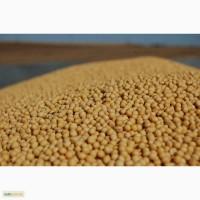
Selling Soybean grade WHITBYunder roundup. Vegetation period 90 days (early). I sell from 50 kg to 2 tons. There is free delivery to the city of Lubny, Semenivka. It is located in the village Matskivtsi
WHITBY soybean is a transgenic soybean variety. Scientifically developed on the basis of nanotechnology in Canada by the well-known Canadian holding SERTIS HOLDING S. A. and the American chemical concern DOW Chemikal
Weight 1000-148 — 153 grams.
The growing season is 90 days (early).
Subsidiarity — 98%, Germination energy — 98%, Varietal purity — 100%, Moisture — 10%,
Purity — 99.99%
The productivity is lj 75 prices per 1 - hectare.
The sowing rate is 100-120 kg per 1 ha.
Drought-resistant - up to 60 g C
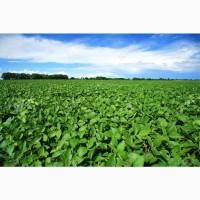
The height of the stem is from 1.25 inches to 1.45 meters, the stem is straight, powerful, 25 mm high in diameter according to the caliper, the root of a powerful taproot lies in the ground to a depth of 350 cm, the leaves are trifold.
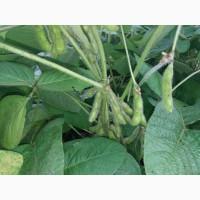
The mounting height of the lowerbeans soybeans is 14 cm, the number of pods in the nodules is 12 pods and they are located at a distance from the bottom 3 cm to the top next nodule. The soybean fruit is a bean with two opening flaps and dorsal seams, usually containing 6 seeds. Large bean is 11 cm long, 560 beans per plant, resistant to cracking.
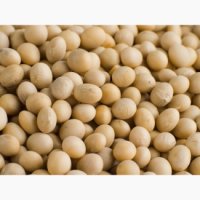
Soybean seed shape oval, notched shell, dense, shiny, impermeable to water forms a hard seed.
Significant differences between transgenic soybeans and conventional hybrids and varieties are that they are resistant to EPSP Synthase isolated from the soil bacterium Agrobacterium sp. strain СП4 was transferred to 54 soybeans with the help of a gene gun, which made this soybean resistant to the continuous action herbicide RR Roundup Ready(//tractor-service.com)
resistant to polishing and shedding (dusty rains, wind, hail)
It has a modified Psku1 gene, thanks to this gene, soybeans are resistant to all soybean diseases that affect conventional varieties and soybean hybrids are not affected by diseases such as (fusarium wilt, cercosis, false downy mildew, rust spot, rust, powdery mildew, ascochitosis, angular spot, etc.).
Resistant transgenic soybean to viral diseases of wrinkled mosaic, yellow mosaic, desert bacteriosis, bacterial burn, black spot.
Resistant to all insect pests affecting common soybean varieties and hybrids such as (sprout fly, pea moth, upsilon bollworm, Icelandic bollworm, meadow butterfly, Japanese beetle)
Resistant to abiotic stresses.
The content of soybean oil in soybeans is 54% - 55%.
Yield potential is 72 cents. with 1 ha.
It perfectly tolerates early spring frosts - 10 C*.
Sowing begins in the spring from March 20 to June 10 inclusively, soybeans can be planted at temperatures of + 5 C*, + 8 C*, since it is not afraid of spring frosts, soybean crops appear after 8-10 days.
The herbicide is treated with Roundup systemic herbicide (607 g of zopropylamine salt of glyphostat), the herbicide is applied using ground sprayers, after the appearance of soybeans in the phase of 2 to 5 real soybean leaves (soybeans are not taken in ), you can carry out treatment with Roundup after a month in 2 liters until July. The consumption rate of Roundup herbicide is 2 liters per 1 hectare.
Application of phosphorus and nitrogen fertilizers increases not only the yield, but also the lubricity of the recommended dose of application of fertilizers 100 kg — 105 kg. per 1 ha, superphosphate at the time of sowing and nitroammofoska 120 kg — 130 kg. per 1 hectare before or after soybean sowing.
Soybean harvesting should be started when the leaves, dried stalks and soybean beans have been burned at a humidity of 14-15%.
To obtain high yields and good indicators, it is useful to spray the leaves with REGOPLANT growth biostimulator at the rate of 50 ml/ha throughout the entire plant development. Thanks to foliar treatment with the drug REGOPLANT, the plant will have a strong root and an abundant trunk, and the yield will increase by 20-30%. It is useful to use in a tank mixture together with pesticides - add biostimulator REGOPLANT at the rate of 50 ml/ha (per 30 liters of water) to relieve stress from pesticides.
WHITBY soybean is a transgenic soybean variety. Scientifically developed on the basis of nanotechnology in Canada by the well-known Canadian holding SERTIS HOLDING S. A. and the American chemical concern DOW Chemikal
Weight 1000-148 — 153 grams.
The growing season is 90 days (early).
Subsidiarity — 98%, Germination energy — 98%, Varietal purity — 100%, Moisture — 10%,
Purity — 99.99%
The productivity is lj 75 prices per 1 - hectare.
The sowing rate is 100-120 kg per 1 ha.
Drought-resistant - up to 60 g C
The height of the stem is from 1.25 inches to 1.45 meters, the stem is straight, powerful, 25 mm high in diameter according to the caliper, the root of a powerful taproot lies in the ground to a depth of 350 cm, the leaves are trifold.
The mounting height of the lowerbeans soybeans is 14 cm, the number of pods in the nodules is 12 pods and they are located at a distance from the bottom 3 cm to the top next nodule. The soybean fruit is a bean with two opening flaps and dorsal seams, usually containing 6 seeds. Large bean is 11 cm long, 560 beans per plant, resistant to cracking.
Soybean seed shape oval, notched shell, dense, shiny, impermeable to water forms a hard seed.
Significant differences between transgenic soybeans and conventional hybrids and varieties are that they are resistant to EPSP Synthase isolated from the soil bacterium Agrobacterium sp. strain СП4 was transferred to 54 soybeans with the help of a gene gun, which made this soybean resistant to the continuous action herbicide RR Roundup Ready(//tractor-service.com)
resistant to polishing and shedding (dusty rains, wind, hail)
It has a modified Psku1 gene, thanks to this gene, soybeans are resistant to all soybean diseases that affect conventional varieties and soybean hybrids are not affected by diseases such as (fusarium wilt, cercosis, false downy mildew, rust spot, rust, powdery mildew, ascochitosis, angular spot, etc.).
Resistant transgenic soybean to viral diseases of wrinkled mosaic, yellow mosaic, desert bacteriosis, bacterial burn, black spot.
Resistant to all insect pests affecting common soybean varieties and hybrids such as (sprout fly, pea moth, upsilon bollworm, Icelandic bollworm, meadow butterfly, Japanese beetle)
Resistant to abiotic stresses.
The content of soybean oil in soybeans is 54% - 55%.
Yield potential is 72 cents. with 1 ha.
It perfectly tolerates early spring frosts - 10 C*.
Sowing begins in the spring from March 20 to June 10 inclusively, soybeans can be planted at temperatures of + 5 C*, + 8 C*, since it is not afraid of spring frosts, soybean crops appear after 8-10 days.
The herbicide is treated with Roundup systemic herbicide (607 g of zopropylamine salt of glyphostat), the herbicide is applied using ground sprayers, after the appearance of soybeans in the phase of 2 to 5 real soybean leaves (soybeans are not taken in ), you can carry out treatment with Roundup after a month in 2 liters until July. The consumption rate of Roundup herbicide is 2 liters per 1 hectare.
Application of phosphorus and nitrogen fertilizers increases not only the yield, but also the lubricity of the recommended dose of application of fertilizers 100 kg — 105 kg. per 1 ha, superphosphate at the time of sowing and nitroammofoska 120 kg — 130 kg. per 1 hectare before or after soybean sowing.
Soybean harvesting should be started when the leaves, dried stalks and soybean beans have been burned at a humidity of 14-15%.
To obtain high yields and good indicators, it is useful to spray the leaves with REGOPLANT growth biostimulator at the rate of 50 ml/ha throughout the entire plant development. Thanks to foliar treatment with the drug REGOPLANT, the plant will have a strong root and an abundant trunk, and the yield will increase by 20-30%. It is useful to use in a tank mixture together with pesticides - add biostimulator REGOPLANT at the rate of 50 ml/ha (per 30 liters of water) to relieve stress from pesticides.
Ad ID: #1291872
(added by a registered user)
Permanent Ad Address:
Impressions / views for today: ?, total: ?
Similar recent ads
There are many interesting ones among them...


Total613 similar fresh adsin the heading "Soy"