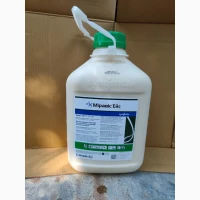
/ Fertilizers and plant protection products / Fungicides / Input Classic - fungicide for control wide...

Sell / buy
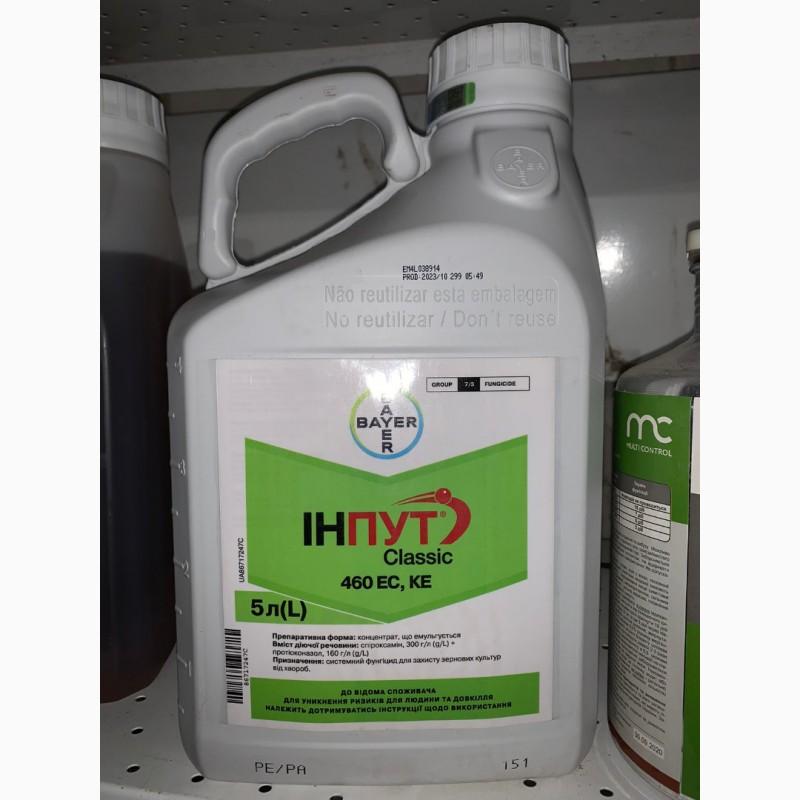
Input Classic - fungicide for controlling a wide range of diseases of wheat and barley, Kyiv region.
Price21$
Region:all Ukraine,
Kyiv region.
(Vyshhorodok)
Updated:
Input® Classic is a new generation fungicide for controlling a wide range of wheat and barley diseases.
Start your profit from a clean slate!
Active substance: cpiroxamine, 300 g/l + prothioconazole, 160 g/l
Preparative form: emulsifiable concentrate
Container: 5 liters, the price is for 1 liter. 145
Механізм дії:
The drug contains two active substances from different chemical groups: spiroketalamines and triazolinthiones, is completely systemic and is designed to control the maindiseases of grain crops.
Prothioconazole is an active substance that is the leader in use in Europe against grain diseases and is included in the composition.
Input® Classic can be used during vegetation from 2 leaves to the end of flowering.
The drug has a therapeutic effect with a well-defined "stop effect", as well as a preventive effect.
The active substances of Input® Classic penetrate into the plant and show effectiveness faster than the active substances of other fungicides, even at low temperatures.
It has an enhanced effect on powdery mildew (efficiency >90%).
In addition, the drug is evenly distributed over the entire surface of the leaf plate, which contributes to its effectiveness and better detection of the pathogen.
The protective effect of the drug, if the recommendations are followed, is up to 4 weeks. The possibility of autumn use makes it possible to reduce disease pressure, improve overwintering and reduce the risks of snow mold development.
Prothioconazole is an inhibitor of sterol biosynthesis in cells of sensitive pathogens. Spiroxamine, in addition to inhibiting the synthesis of ergosterol, promotes better penetration of prothioconazole into the plant being processed.
Properties:
The drug is used on barley or wheat for the purpose of preventive or therapeutic treatment. A high rate of the drug is used in conditions of high disease pressure or in case of delay in processing, when the pathogen is already developing in plants. A higher rate of use of the drug provides longer control of pathogens, accordingly, a decrease in the rate leads to a reduction in the period of the fungicide's protective effect. However, all this depends on specific weather and climate conditions and the type of pathogens. Do not apply later than the specified deadline for the last processing untilHarvest. There is no phytotoxic effect on cultivated plants, provided that the recommendations for use are followed. The time limit for leaving people to carry out mechanized work is 3 days, manual work is not regulated. Work with the drug must be carried out using personal protective equipment: respirators, protective clothing, gloves and glasses.
Compatibility with other drugs: the product is compatible with other fungicides, as well as insecticides. But, in any case, it is recommended to conduct a preliminary miscibility test and make a trial treatment before use. For mixing with other products (any pesticides, adjuvants orfertilizers) — contact your regional representative for additional information. Tank partners should be added to the mix in the following order: first wettable powders, then water-dispersible granules, next are soluble concentrates, suspension concentrates and emulsifiable concentrates, and then oil dispersions. Fertilizers are added at the end. Before adding the next component, you should pay attention to the fact that each component of the tank mixture is evenly distributed in the water. Please note that the physical compatibility of drugs in a multi-component tank solution cannot always be confirmed by test mixing! The maximum effectiveness of the drug and its safety in relation to the culture is manifested when the drug is used as one component of the working solution or with a maximum of one tank partner.
Regulations of application:
WINTER WHEAT
Disease: powdery mildew, rust, leaf septoria, pyrenophorosis, cercosporellosis
Multiplicity: 2
Consumption rate, l/ha: 0.8-1.0.(//tractor-service.com)
Method, time of processing, restrictions: spraying during the vegetation period.
WINTER WHEAT
Disease: Fusarium wilt, septoriosis of the ear, Alternaria.
Multiplicity: 2
Consumption rate, l/ha: 1.0-1.25.
Method, time of processing, restrictions: spraying during the growing season.
WINTER BARLEY
Disease: powdery mildew, net spot, striped spot, border spot, dark brown spot, rust
Multiplicity: 2
Consumption rate, l/ha: 0.8-1.0.
Method, time of processing, restrictions: spraying during the growing season.
BARLEY YARYI
Disease: powdery mildew, net spot, striped spot, border spot, dark brown spot, rust
Multiplicity: 1
Consumption rate, l/ha: 0.8-1.0.
Method, time of processing, restrictions: spraying during the growing season.
APPLICATION TECHNIQUE
To ensure high-quality coverage of plants with a working solution, appropriate equipment should be used and the recommended norms should be observed. The recommended volume of the working solution is 200–300 l/ha.
ADVANTAGES
Reliable fungicide for preventive treatment during the period of tillering.
High level of control of powdery mildew and types of spots (prophylactic, curative and eradication effect)
Duration of protective effect: up to 4 weeks.
Effectiveness against cercosporellosis at the level of 90%.
Intended for treatments in the autumn-spring period, when the temperature does not exceed 15°С and triazole fungicides do not show sufficient activity.
Start your profit from a clean slate!
Active substance: cpiroxamine, 300 g/l + prothioconazole, 160 g/l
Preparative form: emulsifiable concentrate
Container: 5 liters, the price is for 1 liter. 145
Механізм дії:
The drug contains two active substances from different chemical groups: spiroketalamines and triazolinthiones, is completely systemic and is designed to control the maindiseases of grain crops.
Prothioconazole is an active substance that is the leader in use in Europe against grain diseases and is included in the composition.
Input® Classic can be used during vegetation from 2 leaves to the end of flowering.
The drug has a therapeutic effect with a well-defined "stop effect", as well as a preventive effect.
The active substances of Input® Classic penetrate into the plant and show effectiveness faster than the active substances of other fungicides, even at low temperatures.
It has an enhanced effect on powdery mildew (efficiency >90%).
In addition, the drug is evenly distributed over the entire surface of the leaf plate, which contributes to its effectiveness and better detection of the pathogen.
The protective effect of the drug, if the recommendations are followed, is up to 4 weeks. The possibility of autumn use makes it possible to reduce disease pressure, improve overwintering and reduce the risks of snow mold development.
Prothioconazole is an inhibitor of sterol biosynthesis in cells of sensitive pathogens. Spiroxamine, in addition to inhibiting the synthesis of ergosterol, promotes better penetration of prothioconazole into the plant being processed.
Properties:
The drug is used on barley or wheat for the purpose of preventive or therapeutic treatment. A high rate of the drug is used in conditions of high disease pressure or in case of delay in processing, when the pathogen is already developing in plants. A higher rate of use of the drug provides longer control of pathogens, accordingly, a decrease in the rate leads to a reduction in the period of the fungicide's protective effect. However, all this depends on specific weather and climate conditions and the type of pathogens. Do not apply later than the specified deadline for the last processing untilHarvest. There is no phytotoxic effect on cultivated plants, provided that the recommendations for use are followed. The time limit for leaving people to carry out mechanized work is 3 days, manual work is not regulated. Work with the drug must be carried out using personal protective equipment: respirators, protective clothing, gloves and glasses.
Compatibility with other drugs: the product is compatible with other fungicides, as well as insecticides. But, in any case, it is recommended to conduct a preliminary miscibility test and make a trial treatment before use. For mixing with other products (any pesticides, adjuvants orfertilizers) — contact your regional representative for additional information. Tank partners should be added to the mix in the following order: first wettable powders, then water-dispersible granules, next are soluble concentrates, suspension concentrates and emulsifiable concentrates, and then oil dispersions. Fertilizers are added at the end. Before adding the next component, you should pay attention to the fact that each component of the tank mixture is evenly distributed in the water. Please note that the physical compatibility of drugs in a multi-component tank solution cannot always be confirmed by test mixing! The maximum effectiveness of the drug and its safety in relation to the culture is manifested when the drug is used as one component of the working solution or with a maximum of one tank partner.
Regulations of application:
WINTER WHEAT
Disease: powdery mildew, rust, leaf septoria, pyrenophorosis, cercosporellosis
Multiplicity: 2
Consumption rate, l/ha: 0.8-1.0.(//tractor-service.com)
Method, time of processing, restrictions: spraying during the vegetation period.
WINTER WHEAT
Disease: Fusarium wilt, septoriosis of the ear, Alternaria.
Multiplicity: 2
Consumption rate, l/ha: 1.0-1.25.
Method, time of processing, restrictions: spraying during the growing season.
WINTER BARLEY
Disease: powdery mildew, net spot, striped spot, border spot, dark brown spot, rust
Multiplicity: 2
Consumption rate, l/ha: 0.8-1.0.
Method, time of processing, restrictions: spraying during the growing season.
BARLEY YARYI
Disease: powdery mildew, net spot, striped spot, border spot, dark brown spot, rust
Multiplicity: 1
Consumption rate, l/ha: 0.8-1.0.
Method, time of processing, restrictions: spraying during the growing season.
APPLICATION TECHNIQUE
To ensure high-quality coverage of plants with a working solution, appropriate equipment should be used and the recommended norms should be observed. The recommended volume of the working solution is 200–300 l/ha.
ADVANTAGES
Reliable fungicide for preventive treatment during the period of tillering.
High level of control of powdery mildew and types of spots (prophylactic, curative and eradication effect)
Duration of protective effect: up to 4 weeks.
Effectiveness against cercosporellosis at the level of 90%.
Intended for treatments in the autumn-spring period, when the temperature does not exceed 15°С and triazole fungicides do not show sufficient activity.
|
Store, contacts | |
Yuriy/ feedback, info./ price activities | |
|
Phone:
+38(xxxxxx
show
| |
All ads user ~1000 | |
Ad ID: #1196969
(added by registered user, registration date: 2016-08-10)
Added / Updated: 2026-08-10 09:25 (current, until: 10-08-2027)
Permanent Ad Address:
Impressions / views for today: ?, total: ?
Similar ads
Among them there are many interesting ones...