Sell / buy
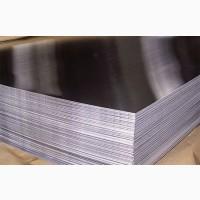
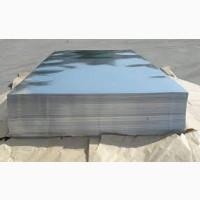
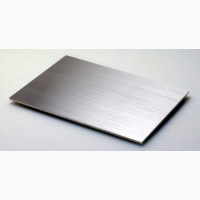
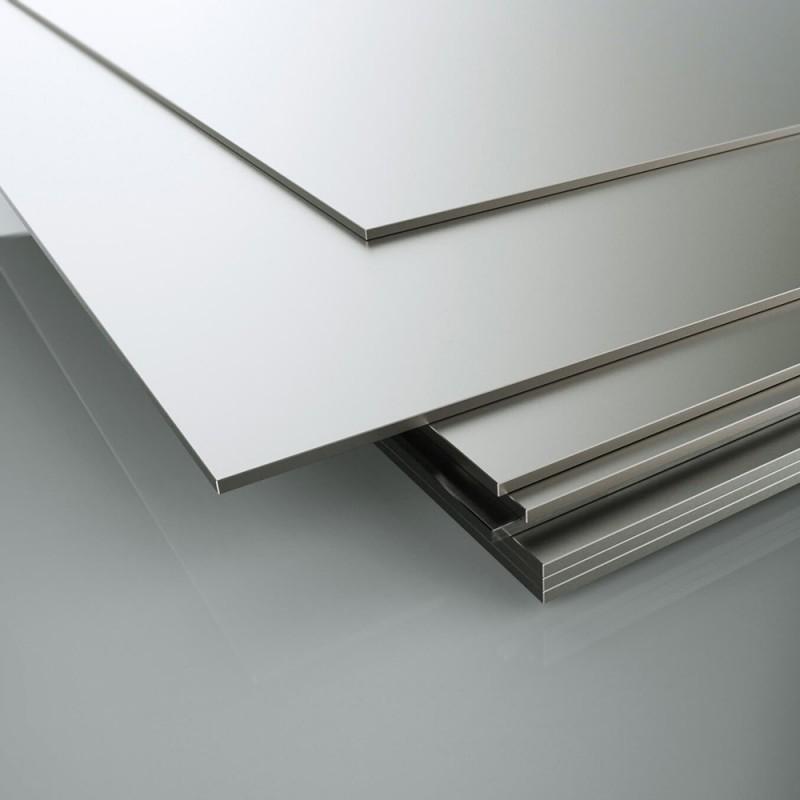
Stainless sheet AISI 430, Dnipropetrovsk region.
Region:all of Ukraine,
Dnipropetrovsk region.
Updated:
"
Special properties of steel AISI 430
AISI 430 steel complies with the international standard ASTM A240. It is the most frequently used general-purpose steel among all corrosion-resistant ferritic chromium steels. Its high popularity is explained by its qualities:
• high strength;
• chromium and carbon in the composition of steel give it good corrosion resistance;
• ease of processing by various methods and methods: grinding, drilling, drawing, hole perforation.
Full chemical composition (based on the ASTM A240 standard):
• chrome: 16-18%;
• carbon: 0.05-0.12%;
• manganese: 0.7-1.0%;(//tractor-service.com)
• silicon: 0.65-1.0%;
• phosphorus: 0.02-0.045%;
• sulfur: 0.025-0.03%.
Possible analogues of steel AISI 430
Among steels of domestic production, there are austenitic steels similar in composition, for example 12Х18Н10Т. But AISI 430 steel is more resistant to sulfur-containing environments than nickel-containing austenitic steels of the "18Cr-10Ni" class. This made it the most important material not only for the creation of oil pumping systems,gas and ready-made petroleum products, but also for use in the technological equipment of the oil refining industry.
Based on the current technological regulations, AISI 430 steel is an analogue of 12X17T steel, but due to the lower amount of carbon, it is not prone to intergranular corrosion under the influence of high temperatures.
Carbide begins to actively form at temperatures from 1000°C and higher, so it is possible not to additionally stabilize the alloy with titanium. This feature provides much better weldability than the domestic 12X17T.
AISI 430 is a ferromagnet, which makes it possible to completely exclude corrosive intercrystalline destruction at temperatures from 500°C to 800°C. Chloride cracking under load is also minimal: 350MPa, while 12Х18Н10Т only has 150MPa.
AISI 430 steel is widely used in the manufacture of products subject to constant temperature changes due to its low coefficient of thermal expansion.
"
Special properties of steel AISI 430
AISI 430 steel complies with the international standard ASTM A240. It is the most frequently used general-purpose steel among all corrosion-resistant ferritic chromium steels. Its high popularity is explained by its qualities:
• high strength;
• chromium and carbon in the composition of steel give it good corrosion resistance;
• ease of processing by various methods and methods: grinding, drilling, drawing, hole perforation.
Full chemical composition (based on the ASTM A240 standard):
• chrome: 16-18%;
• carbon: 0.05-0.12%;
• manganese: 0.7-1.0%;(//tractor-service.com)
• silicon: 0.65-1.0%;
• phosphorus: 0.02-0.045%;
• sulfur: 0.025-0.03%.
Possible analogues of steel AISI 430
Among steels of domestic production, there are austenitic steels similar in composition, for example 12Х18Н10Т. But AISI 430 steel is more resistant to sulfur-containing environments than nickel-containing austenitic steels of the "18Cr-10Ni" class. This made it the most important material not only for the creation of oil pumping systems,gas and ready-made petroleum products, but also for use in the technological equipment of the oil refining industry.
Based on the current technological regulations, AISI 430 steel is an analogue of 12X17T steel, but due to the lower amount of carbon, it is not prone to intergranular corrosion under the influence of high temperatures.
Carbide begins to actively form at temperatures from 1000°C and higher, so it is possible not to additionally stabilize the alloy with titanium. This feature provides much better weldability than the domestic 12X17T.
AISI 430 is a ferromagnet, which makes it possible to completely exclude corrosive intercrystalline destruction at temperatures from 500°C to 800°C. Chloride cracking under load is also minimal: 350MPa, while 12Х18Н10Т only has 150MPa.
AISI 430 steel is widely used in the manufacture of products subject to constant temperature changes due to its low coefficient of thermal expansion.
"
https://ukrstarline.ua/ru/
|
Author, contacts | |
Sales manager / feedback, info. / evaluation activity | |
|
Phone:
+380xxxxxx
show
| |
| https://ukrstarline.ua/ru/ | |
All ads user ~778 | |
Ad ID: #1182172
(added by registered user, registration date: 03-17-2022)
Added / Updated: 05-07-2026 10:08 (current, until: 05-07-2027)
Permanent Ad Address:
Impressions / views for today: ?, total: ?
Similar ads
Among them there are many interesting ones...