For sale / buy
Steel flanges, Dnipropetrovsk region.
Region:all of Ukraine,
Dnipropetrovsk region.
Updated:
="
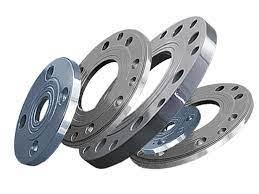
Flanges are intended for connecting pipeline systems to each other, as well as for connecting them to various equipment (pumps, valves, valves), containers and devices. Flanges are connected to each other using studs, bolts, nuts and washers. For better tightness, sealing material (gaskets) is used. They can be paronite and rubber. I install them on the protruding surface of the flanges, called a mirror.
A mirror is called a mating surface between the flanges. It must be without visible defects, otherwise such a connection will not be airtight. Note: Be careful with the flange mirror.
Flanges are distinguished by nominal pressure P, MPa (from 0.1 MPa and higher). Depending on the nominal pressure of the flanges, their sizes and weights change. The higher the pressure, the greater the thickness of the flange and, accordingly, the weight. All dimensions and weight of flanges according to GOST 12820-80 are given in the tables below.
(//tractor-service.com)
Flanges are manufactured according to regulatory documents and standardized by GOSTs:
GOST 12820-80 - according to this GOST, flat flanges are manufactured;
GOST 12821-80 - butt-welded collar flanges:
GOST 12822-80 - free flanges on a welded ring.
In production, they use: black grades of steel, stainless steel, cast iron, aluminum, bronze. Stainless and aluminum flange connections are used in more aggressive pipeline systems due to their longer service life due to their anti-corrosion properties.
"
Flanges are intended for connecting pipeline systems to each other, as well as for connecting them to various equipment (pumps, valves, valves), containers and devices. Flanges are connected to each other using studs, bolts, nuts and washers. For better tightness, sealing material (gaskets) is used. They can be paronite and rubber. I install them on the protruding surface of the flanges, called a mirror.
A mirror is called a mating surface between the flanges. It must be without visible defects, otherwise such a connection will not be airtight. Note: Be careful with the flange mirror.
Flanges are distinguished by nominal pressure P, MPa (from 0.1 MPa and higher). Depending on the nominal pressure of the flanges, their sizes and weights change. The higher the pressure, the greater the thickness of the flange and, accordingly, the weight. All dimensions and weight of flanges according to GOST 12820-80 are given in the tables below.
(//tractor-service.com)
Flanges are manufactured according to regulatory documents and standardized by GOSTs:
GOST 12820-80 - according to this GOST, flat flanges are manufactured;
GOST 12821-80 - butt-welded collar flanges:
GOST 12822-80 - free flanges on a welded ring.
In production, they use: black grades of steel, stainless steel, cast iron, aluminum, bronze. Stainless and aluminum flange connections are used in more aggressive pipeline systems due to their longer service life due to their anti-corrosion properties.
"
https://ukrstarline.ua/ru/
|
Author, contacts | |
Sales manager / feedback, info. / evaluation of activity | |
|
Phone:
+380xxxxxx
show
| |
| https://ukrstarline.ua/ru/ | |
All user ads ~778 | |
Ad ID: #1181876
(added by registered user, registration date: 2022-03-17)
Added / Updated: 2026-05-07 10:08 (current, until: 05-07-2027)
Permanent Ad Address:
Impressions / views for today: ?, total: ?
Similar ads
Among them there are many interesting ones...