Sell / buy
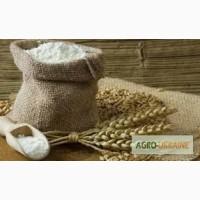
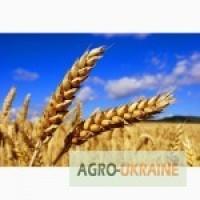
ALMA - Soft Canadian transgenic winter variety (elite) of wheat, Odesa region.
Price45 UAH.
Region:all Ukraine,
Odesa region.
Updated:
Purpose of grain: Seed material
Canadian wheat ALMA - elite winter soft variety grown in Canada.
UAH 45/kg.
Packaging in branded paper bags of 20 kg.
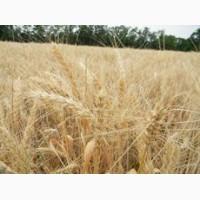
The Canadian winter wheat variety ALMA was developed on the basis of nanotechnology due to the transformation of wheat DNA cells by the Canadian SERTIS Holding. The variety was developed in Canada in 2018. Passed tests for frost resistance in the harsh climate of Canada, it showed excellent results in terms of productivity, where the average air temperature in January was - 40 °C in combination with strong gusts of wind. In addition, the variety was tested for drought resistance in the EEC countries, Ethiopia, Namibia, Mozambique, Russia, Malawi, Kazakhstan, where the temperature reached + 48 C*. The height of wheat is up to 120 cm, the bush is upright, the coefficient of bushiness reaches 24 stems, the stem is powerful.
This variety has a very high productivity potential (150 t/ha), stable in obtaining high yields. Forms a powerful flag leaf, which is characterized by a very wide leaf plate with a high content of chlorophyll, allows to better accumulate solar energy and, due to this, to form a high yield. A positive feature of this variety is its high resistance to shedding and germination of grain in the ear. Such an economic indicator provides a better ratio of grain / straw, which contributes to a quick and high-quality harvest of wheat, and a smaller amount of straw per field contributes to a high-quality preparation of the soil for the next crop.
FeaturesALMA wheat seeds:
This variety of Canadian transgenic wheat can be sown for 10 years in a row, as it does not lose its properties.
It is characterized by good frost resistance up to -45°C in dry winter, without snow cover in combination with strong winds, due to genes isolated from the oceanic brown algae Fucus vesiculosus and the plant Colobanthus antarctic tolstolysty, which can withstand temperatures of -60°C, and grows on the bottom of the Arctic Ocean.
ALMA wheat is resistant to abiotic stresses - it tolerates spring temperature changes, frosts in the stage of full plant development.
Drought resistance up to +50°С due to genes introduced into the DNA structure of wheat T. persivalii Hubbard, T. turgidum L., and a set of genes transformed from Gladonia alpinum, which can withstand temperatures of +101°С, and introduced by transformation into wheat DNA cells.
Increased resistance to soil salinity due to the transformed cells of the solerosa plant (salicomia europea), the concentration of salts in groundwater up to 230 g/l.
It has 4 resistance genes H - 6 to Hessian fly, resistance gene H - 9 to winter wheat fly, Swedish fly, resistance gene H - 10 to oat, gall, peanut nematode, wheat nematode, resistance gene H -12 to American meromyza.
ALMA wheat has increased immunity to various fungal diseases and viruses that affect other types of wheat. Such as: different types and forms of wheat bacteriosis, root rot, snow mold, powdery mildew, dwarf rust, ergot, septoriosis, reticulated and bordered spot, black smut, stone smut, stem melanosis, Russian mosaic, fusarium head blight, etc.
Thanks to the powerful stem, it is resistant to lodging and shedding, as well as ear failure.
ALMA wheat is harvested directly by harvesters, as the grain on the ear ripens evenly and does not require desiccation.
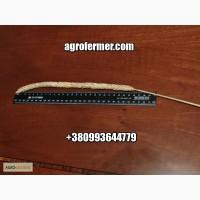
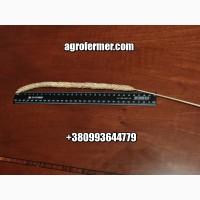
High productivity due to the length of the ear of 20 cm, the wheat bushiness coefficient of 24 stems, as well as the number of grains in a six-row ear.
It differs from other types of wheat in its high gluten content of 38%.
This variety of transgenic wheat was sown in Ukraine and showed excellent results in yield up to 120 centners per hectare.
Characteristics of wheat sowing ALMA
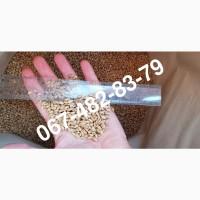
The weight of 1000 seeds is 55 grams.
The yield potential of the Canadian transgenic ALMA winter wheat variety is 150 cents per hectare.
(//tractor-service.com)
Germination is 98%.
Germination energy - 98%.
Varietal purity - 100%.
Humidity - 11%.
The optimal sowing rate of ALMA winter wheat per 1 ha is 150 kg or 2.7 million units.
It is sownby ordinary grains with seed drills to a depth of 5-6 cm.
Sowing dates: starts from September 1 and lasts inclusively until October 30.
Insecticides: Volaton 50% - 1.5 l per 1 ha, or Decis 2.5% k.e. – 0.25 liters per 1 ha, or Tsymbush 10% k.e. - 0.5 liters per 1 ha.
Herbicides: for the fight against gorse, use triallate 50% of the liquid, or avadex BV 48% of the liquid in a dose of 2.5 l/ha, to destroy dicotyledonous 2.4 D amino salt 40% of the liquid. - 2 kg per 1 hectare, and for the fight against gorse and bristly, illoxan 36% k.e. 3 kg per 1 ha, Granstar ultra 25 grams per 1 ha in the 2-3 leaf phase.
Fertilizers: rates of fertilizer application (kg/ha) are calculated taking into account the content of nutrients in the soil, their removal by plants per unit of crop, coefficients of utilization of nutrients from the soil and fertilizer. The main fertilizer is intended to increase the level of plant nutrition throughout the growing season. Wheat responds well to organic fertilizers. General recommendations: 120 kg of nitroammophoska per 1 ha is applied when sowing or after sowing wheat and 120 kg in the spring.
The vegetation period of ALMA winter wheat from sowing to harvesting is 280 days.
Harvesting: ALMA winter wheat is harvested with Don, Niva, Zhondyr, Keys combines.
Moisture requirements: winter wheat is bushed in autumn and spring. Increased tillering is observed with sufficient humidity and a temperature of 8-10°С. The root system of winter wheat penetrates to a depth of up to 2 m and makes good use of moisture from the root layer. Autumn precipitation contributes to a higher yield of grain compared to the yield of straw. Spring precipitation enhances the growth of vegetative mass and creates good conditions for the emergence of new shoots. From spring awakening to earing, winter wheat consumes about 70% of the total water requirement for vegetation, and 20% in the period from flowering to waxy grain maturity.
FREE SHIPPING IN UKRAINE.
UAH 45/kg.
Packaging in branded paper bags of 20 kg.
The Canadian winter wheat variety ALMA was developed on the basis of nanotechnology due to the transformation of wheat DNA cells by the Canadian SERTIS Holding. The variety was developed in Canada in 2018. Passed tests for frost resistance in the harsh climate of Canada, it showed excellent results in terms of productivity, where the average air temperature in January was - 40 °C in combination with strong gusts of wind. In addition, the variety was tested for drought resistance in the EEC countries, Ethiopia, Namibia, Mozambique, Russia, Malawi, Kazakhstan, where the temperature reached + 48 C*. The height of wheat is up to 120 cm, the bush is upright, the coefficient of bushiness reaches 24 stems, the stem is powerful.
This variety has a very high productivity potential (150 t/ha), stable in obtaining high yields. Forms a powerful flag leaf, which is characterized by a very wide leaf plate with a high content of chlorophyll, allows to better accumulate solar energy and, due to this, to form a high yield. A positive feature of this variety is its high resistance to shedding and germination of grain in the ear. Such an economic indicator provides a better ratio of grain / straw, which contributes to a quick and high-quality harvest of wheat, and a smaller amount of straw per field contributes to a high-quality preparation of the soil for the next crop.
FeaturesALMA wheat seeds:
This variety of Canadian transgenic wheat can be sown for 10 years in a row, as it does not lose its properties.
It is characterized by good frost resistance up to -45°C in dry winter, without snow cover in combination with strong winds, due to genes isolated from the oceanic brown algae Fucus vesiculosus and the plant Colobanthus antarctic tolstolysty, which can withstand temperatures of -60°C, and grows on the bottom of the Arctic Ocean.
ALMA wheat is resistant to abiotic stresses - it tolerates spring temperature changes, frosts in the stage of full plant development.
Drought resistance up to +50°С due to genes introduced into the DNA structure of wheat T. persivalii Hubbard, T. turgidum L., and a set of genes transformed from Gladonia alpinum, which can withstand temperatures of +101°С, and introduced by transformation into wheat DNA cells.
Increased resistance to soil salinity due to the transformed cells of the solerosa plant (salicomia europea), the concentration of salts in groundwater up to 230 g/l.
It has 4 resistance genes H - 6 to Hessian fly, resistance gene H - 9 to winter wheat fly, Swedish fly, resistance gene H - 10 to oat, gall, peanut nematode, wheat nematode, resistance gene H -12 to American meromyza.
ALMA wheat has increased immunity to various fungal diseases and viruses that affect other types of wheat. Such as: different types and forms of wheat bacteriosis, root rot, snow mold, powdery mildew, dwarf rust, ergot, septoriosis, reticulated and bordered spot, black smut, stone smut, stem melanosis, Russian mosaic, fusarium head blight, etc.
Thanks to the powerful stem, it is resistant to lodging and shedding, as well as ear failure.
ALMA wheat is harvested directly by harvesters, as the grain on the ear ripens evenly and does not require desiccation.
High productivity due to the length of the ear of 20 cm, the wheat bushiness coefficient of 24 stems, as well as the number of grains in a six-row ear.
It differs from other types of wheat in its high gluten content of 38%.
This variety of transgenic wheat was sown in Ukraine and showed excellent results in yield up to 120 centners per hectare.
Characteristics of wheat sowing ALMA
The weight of 1000 seeds is 55 grams.
The yield potential of the Canadian transgenic ALMA winter wheat variety is 150 cents per hectare.
(//tractor-service.com)
Germination is 98%.
Germination energy - 98%.
Varietal purity - 100%.
Humidity - 11%.
The optimal sowing rate of ALMA winter wheat per 1 ha is 150 kg or 2.7 million units.
It is sownby ordinary grains with seed drills to a depth of 5-6 cm.
Sowing dates: starts from September 1 and lasts inclusively until October 30.
Insecticides: Volaton 50% - 1.5 l per 1 ha, or Decis 2.5% k.e. – 0.25 liters per 1 ha, or Tsymbush 10% k.e. - 0.5 liters per 1 ha.
Herbicides: for the fight against gorse, use triallate 50% of the liquid, or avadex BV 48% of the liquid in a dose of 2.5 l/ha, to destroy dicotyledonous 2.4 D amino salt 40% of the liquid. - 2 kg per 1 hectare, and for the fight against gorse and bristly, illoxan 36% k.e. 3 kg per 1 ha, Granstar ultra 25 grams per 1 ha in the 2-3 leaf phase.
Fertilizers: rates of fertilizer application (kg/ha) are calculated taking into account the content of nutrients in the soil, their removal by plants per unit of crop, coefficients of utilization of nutrients from the soil and fertilizer. The main fertilizer is intended to increase the level of plant nutrition throughout the growing season. Wheat responds well to organic fertilizers. General recommendations: 120 kg of nitroammophoska per 1 ha is applied when sowing or after sowing wheat and 120 kg in the spring.
The vegetation period of ALMA winter wheat from sowing to harvesting is 280 days.
Harvesting: ALMA winter wheat is harvested with Don, Niva, Zhondyr, Keys combines.
Moisture requirements: winter wheat is bushed in autumn and spring. Increased tillering is observed with sufficient humidity and a temperature of 8-10°С. The root system of winter wheat penetrates to a depth of up to 2 m and makes good use of moisture from the root layer. Autumn precipitation contributes to a higher yield of grain compared to the yield of straw. Spring precipitation enhances the growth of vegetative mass and creates good conditions for the emergence of new shoots. From spring awakening to earing, winter wheat consumes about 70% of the total water requirement for vegetation, and 20% in the period from flowering to waxy grain maturity.
FREE SHIPPING IN UKRAINE.
|
Author, contacts | |
Andrei/ reviews, info./ rating of activity | |
|
Phone:
050-xxxxxx
show
| |
All user ads ~33 | |
Ad ID: #1139927
(added by a registered user, registration date: 02-04-2018)
Added/Updated: 09-07-2026 08:50 (current, until: 09-07-2027)
Permanent Ad Address:
Impressions / views for today: ?, total: ?