Sell / buy
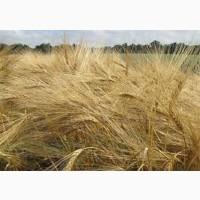
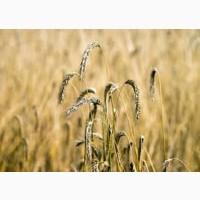
Barley seeds MARSHALL Canadian transgenic variety (elite), Odesa region.
Price55,000 UAH. / ton
Region:all of Ukraine,
Odesa region.
Updated:
Purpose of grain: Sowing material
Dvuruchka. It is possible to sow both winter and spring varieties.
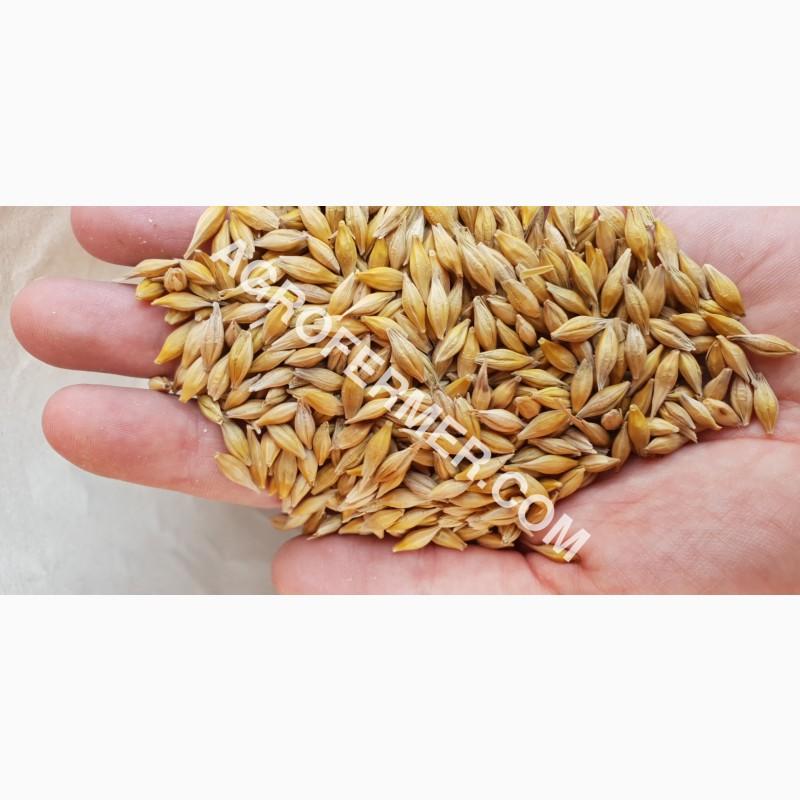
This variety is characterized by a high and stable yield, a high yield of large grain.Large grain, yellow, elongated shape.
Good ratio of size and weight of 1000 seeds. Provides high grain yield with excellent stability. High resistance to stem and ear brittleness.
Transgenic barley (BARLEY) variety MARSHALL, which was developed on the basis of nano-technology by the well-known Canadian holding SERTIS HOLDING GROUP, used for food purposes, for cattle feed and for grain.
Main advantages:
resistance to adverse conditions;
resistant to changes in location and climate.
The variety has high productive bushiness and high regenerative ability.
MARSHALL barley is popular among farmers due to its excellent disease resistance and very high seed yield.
A variety of intensive type of cultivation, reacts well to increased doses of fertilizer.
Flexible to sowing dates and predecessors.
It has very high frost resistance and excellent resistance to lodging.
Features of growing MARSHALL barley
Features of the cultivation technology of the MARSHALL variety:
It is suitable for cultivation in all climatic zones, it has proven itself very well when sowing in southern regions.
Stable high yield in all regions of cultivation.
Can be sown after grain predecessors.
The sixth-row variety, which is widely popular, stands out for its high frost resistance, disease tolerance, adaptability to growing conditions, and stable yield.
One of the most popular varieties in Canada. High quality malt.
Distinctive feature of MARSHALL transgenic barley from other ordinary varieties of barley:
This variety of Canadian barley can be sown 8 years in a row as it does not lose its qualities.
It is characterized by good drought resistance up to +54°С, due to the introduction of a set of genes isolated from blue-green algae (Oscillatoria filiformis) living in the water of hot springs at tem. +85°С, increasing the drought resistance of barley to +54°С.
It perfectly tolerates severe frosts. It has resistance to abiotic stresses, tolerates spring temperature changes well, frosts in the stage of full development of the plant down to -36°С, this makes it possible to sow barley in the February windows and not be afraid that it will freeze. Thanks to a set of genes isolated from the family of cloves of the Alpine gorse and introduced into the DNA structure of barley, it grows in the Canadian Arctic archipelago at temperatures of -50°C.
Thanks to the transformation of the Rx Ry genes and the Psku1 gene of barley, this variety has a stable immunity to all fungal diseases, as well as viruses that affect ordinary varieties of barley, such as: all types of root rot, all types of bacteriosis, powdery mildew, snow mold, rhynchosporiasis, dwarf rust, reticulated and bordered spot, powdery and false powdery mildew and stone rot, ergot, septoria, fusarium of the ear, to all barley viruses: Russian mosaic, striped mosaic, etc. It is practically not affected by these diseases.
Barley of the MARSHALL variety, two-handled, has the H-6 resistance gene to the Hessian fly.
Barley is resistant to soil salinity and withstands soil acidity up to Ph-9.
It is resistant to acid rain.(//tractor-service.com)
Resistance to dormancy and dormancy of barley due to a strong, powerful stem.
High productivity due to the length of the barley ear of 20 cm, as well as due to the high coefficient of bushiness of the barley stalks, the number of stalks in the MARSHALL variety of barley is 22 pieces, this is the reason for its high productivity.
This variety of double-barley barley was sown in Ukraine and showed excellent results in terms of yield up to 115 cents. with 1 ha for winter sowing and 90 cents. at the time of sowing.
Characteristics of MARSHALL barley (two-handled)
The yield potential of the Canadian transgenic barley variety MARSHALL (two-handled) is 138 cents. with 1 ha.
The weight of 1000 seeds is 54 grams.
Germination is 98%.
Germination energy - 97%.
Varietal purity - 99.99%.
Humidity - 13%.
Sowing Winter barley begins to be sown in the Southern regions from September 1 to November 10 inclusive, in the Northern regions from September 15 to October 30. Spring - in the southern regions, sowing begins in the February windows from February 15 to May 5 inclusive, in the northern regions - from February 25 to April 20.
The optimal sowing rate of MARSHALL transgenic winter barley per 1 ha is 120 kg. When the norm of sowing barley is exceeded, thickened crops develop poorly, stretch out, and take away a lot of nutrients from each other.
Winter barley is sown to a depth of 3-4 cm by different methods of sowing: conventional, row, narrow-row and cross-row method or row-row with 15 cm spacing, SPU-6D seed drills, Mistral, precision drills.
Insecticides (mortar): Cruiser (thiamethoxam 350 g/l) – 1 liter per 1 tonbarley seeds.
Herbicides should be used as needed: Agritox, 1-1.5 l per 1 ha in the tillering phase of the crop before emergence into the tube in spring; Granstar 75% s.t.s., 20-25 grams per 1 ha in the 1-3 leaf phase; Legato Plus 600 KS 0.75-1 l per 1 ha in the phase of 3-5 leaves; Marathon 375 hl, 3.5-4 liters per 1 ha; Dialen Super, 700 grams per 1 hectare in the tillering phase of the culture before the emergence of the tube in the spring; Lintur (dicamba + triasulfuron), 150 g per 1 ha in the phase of 3-4 leaves.
Fertilizers It fully absorbs all the mineral fertilizers applied to its crops. Fertilizers are applied depending on the soil and predecessors. General recommendations – 240 kg of nitroammophoska per 1 ha.
The vegetation period of barley-two-hand is:
240 days for autumn sowing;
120 days when sowing in February windows;
90 days when sowing in early spring.
Harvesting barley with Niva, Don, Zhondyr, Keys combine harvesters.
Our website is agrofermer.com
E-mail -[email protected]
phone +380993644779 - Andrey
We buy the future harvest.
When sowing 250 hectares, we make a prepayment of up to 50%
Delivery: across Ukraine.
This variety is characterized by a high and stable yield, a high yield of large grain.Large grain, yellow, elongated shape.
Good ratio of size and weight of 1000 seeds. Provides high grain yield with excellent stability. High resistance to stem and ear brittleness.
Transgenic barley (BARLEY) variety MARSHALL, which was developed on the basis of nano-technology by the well-known Canadian holding SERTIS HOLDING GROUP, used for food purposes, for cattle feed and for grain.
Main advantages:
resistance to adverse conditions;
resistant to changes in location and climate.
The variety has high productive bushiness and high regenerative ability.
MARSHALL barley is popular among farmers due to its excellent disease resistance and very high seed yield.
A variety of intensive type of cultivation, reacts well to increased doses of fertilizer.
Flexible to sowing dates and predecessors.
It has very high frost resistance and excellent resistance to lodging.
Features of growing MARSHALL barley
Features of the cultivation technology of the MARSHALL variety:
It is suitable for cultivation in all climatic zones, it has proven itself very well when sowing in southern regions.
Stable high yield in all regions of cultivation.
Can be sown after grain predecessors.
The sixth-row variety, which is widely popular, stands out for its high frost resistance, disease tolerance, adaptability to growing conditions, and stable yield.
One of the most popular varieties in Canada. High quality malt.
Distinctive feature of MARSHALL transgenic barley from other ordinary varieties of barley:
This variety of Canadian barley can be sown 8 years in a row as it does not lose its qualities.
It is characterized by good drought resistance up to +54°С, due to the introduction of a set of genes isolated from blue-green algae (Oscillatoria filiformis) living in the water of hot springs at tem. +85°С, increasing the drought resistance of barley to +54°С.
It perfectly tolerates severe frosts. It has resistance to abiotic stresses, tolerates spring temperature changes well, frosts in the stage of full development of the plant down to -36°С, this makes it possible to sow barley in the February windows and not be afraid that it will freeze. Thanks to a set of genes isolated from the family of cloves of the Alpine gorse and introduced into the DNA structure of barley, it grows in the Canadian Arctic archipelago at temperatures of -50°C.
Thanks to the transformation of the Rx Ry genes and the Psku1 gene of barley, this variety has a stable immunity to all fungal diseases, as well as viruses that affect ordinary varieties of barley, such as: all types of root rot, all types of bacteriosis, powdery mildew, snow mold, rhynchosporiasis, dwarf rust, reticulated and bordered spot, powdery and false powdery mildew and stone rot, ergot, septoria, fusarium of the ear, to all barley viruses: Russian mosaic, striped mosaic, etc. It is practically not affected by these diseases.
Barley of the MARSHALL variety, two-handled, has the H-6 resistance gene to the Hessian fly.
Barley is resistant to soil salinity and withstands soil acidity up to Ph-9.
It is resistant to acid rain.(//tractor-service.com)
Resistance to dormancy and dormancy of barley due to a strong, powerful stem.
High productivity due to the length of the barley ear of 20 cm, as well as due to the high coefficient of bushiness of the barley stalks, the number of stalks in the MARSHALL variety of barley is 22 pieces, this is the reason for its high productivity.
This variety of double-barley barley was sown in Ukraine and showed excellent results in terms of yield up to 115 cents. with 1 ha for winter sowing and 90 cents. at the time of sowing.
Characteristics of MARSHALL barley (two-handled)
The yield potential of the Canadian transgenic barley variety MARSHALL (two-handled) is 138 cents. with 1 ha.
The weight of 1000 seeds is 54 grams.
Germination is 98%.
Germination energy - 97%.
Varietal purity - 99.99%.
Humidity - 13%.
Sowing Winter barley begins to be sown in the Southern regions from September 1 to November 10 inclusive, in the Northern regions from September 15 to October 30. Spring - in the southern regions, sowing begins in the February windows from February 15 to May 5 inclusive, in the northern regions - from February 25 to April 20.
The optimal sowing rate of MARSHALL transgenic winter barley per 1 ha is 120 kg. When the norm of sowing barley is exceeded, thickened crops develop poorly, stretch out, and take away a lot of nutrients from each other.
Winter barley is sown to a depth of 3-4 cm by different methods of sowing: conventional, row, narrow-row and cross-row method or row-row with 15 cm spacing, SPU-6D seed drills, Mistral, precision drills.
Insecticides (mortar): Cruiser (thiamethoxam 350 g/l) – 1 liter per 1 tonbarley seeds.
Herbicides should be used as needed: Agritox, 1-1.5 l per 1 ha in the tillering phase of the crop before emergence into the tube in spring; Granstar 75% s.t.s., 20-25 grams per 1 ha in the 1-3 leaf phase; Legato Plus 600 KS 0.75-1 l per 1 ha in the phase of 3-5 leaves; Marathon 375 hl, 3.5-4 liters per 1 ha; Dialen Super, 700 grams per 1 hectare in the tillering phase of the culture before the emergence of the tube in the spring; Lintur (dicamba + triasulfuron), 150 g per 1 ha in the phase of 3-4 leaves.
Fertilizers It fully absorbs all the mineral fertilizers applied to its crops. Fertilizers are applied depending on the soil and predecessors. General recommendations – 240 kg of nitroammophoska per 1 ha.
The vegetation period of barley-two-hand is:
240 days for autumn sowing;
120 days when sowing in February windows;
90 days when sowing in early spring.
Harvesting barley with Niva, Don, Zhondyr, Keys combine harvesters.
Our website is agrofermer.com
E-mail -[email protected]
phone +380993644779 - Andrey
We buy the future harvest.
When sowing 250 hectares, we make a prepayment of up to 50%
Delivery: across Ukraine.
|
Store, contacts | |
Andrei Valerievich/ reviews, info. | |
|
Telephone:
+380xxxxxx
show
| |
All user ads ~40 | |

Ad ID: #1131570
(added by a registered user)
Added/Updated: 09-18-2026 15:21 (current, until: 18-09-2027)
Permanent Ad Address:
Impressions / views for today: ?, total: ?