Sell / buy
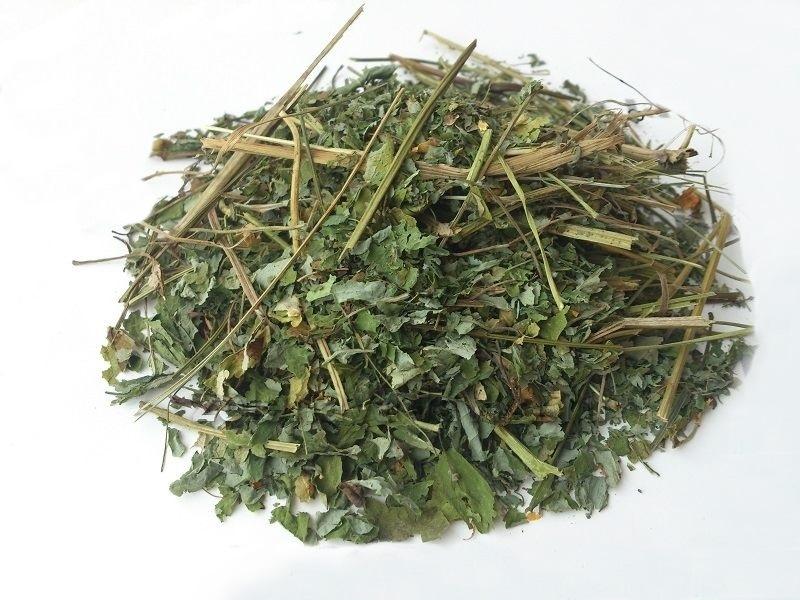
Cleanser (herb) 1 kg, Kharkiv region.
Region:all Ukraine,
Kharkiv region.
(Kharkiv)
Updated:
Use of preparationschistotela bolhogho especially great in the external form in the treatment of all kinds of skin diseases: psoriasis, dermatitis, eczema, every form of tuberculosis, condylomas, calluses, scabies, furunculosis, blackheads, ulcers, burns, as well as warts and fungal diseases. The use of this plant in gynecology is somewhat less extensive: it is used to treat colpitis, cervical erosion, and menstrual cycle disorders. The use of celandine helps to get rid of gout and rheumatism, colon polyposis and dropsy, as well as jaundice and other liver diseases. Chistotel copes with diseases of the gall bladder. Spasms of the gastrointestinal tract, gastric colic, catarrh of the stomach, peptic ulcers of the stomach and duodenum, and other diseases of the gastrointestinal tract are also treated with its help. In addition, fever is treated with this plant. Chistotel is used in many fields of activity: from its parts, coloring components are isolated, with the help of which yellow paints are created, it is also known about the use of this herb in veterinary medicine, metal etching, and in technical fields to prevent corrosion. Also celandine has insecticidal properties. The use of the plant in medicine is due to its anti-inflammatory, bactericidal, pain-relieving and other properties. The main use of celandine is the treatment of skin diseases, from which came both its main name and folk names - wart, celandine, etc. The composition of celandine grass includes stylopine, chelidamine, sparteine, homochelidonine, protopine, berberine, chelidonine and other complex alkaloids, as well as carotene, malic, ascorbic, amber, chelidonine, lemon and chelidone acids, flavonoids, saponins and essential oilsoil.
|
Author, contacts | |
Юлия / feedback, info. / evaluation of activity | |
|
Phone:
+38(xxxxxx
show
| |
| Viber: 380672594366 | |
All user ads ~209 | |
Ad ID: #1115875
(added by registered user, registration date: 04-30-2021)
Added / Updated: 09-11-2025 15:09 (current, until: 11-09-2026)
Permanent Ad Address:
Impressions / views for today: ?, total: ?
Similar ads
There are many interesting ones among them...
Filters: Cleaner