For sale / buy
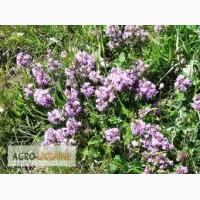
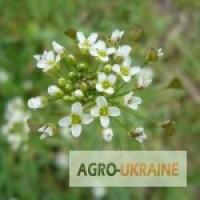
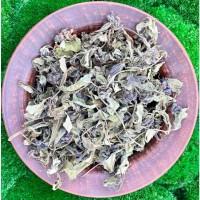
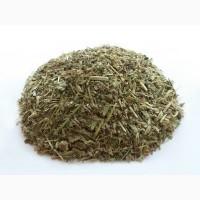
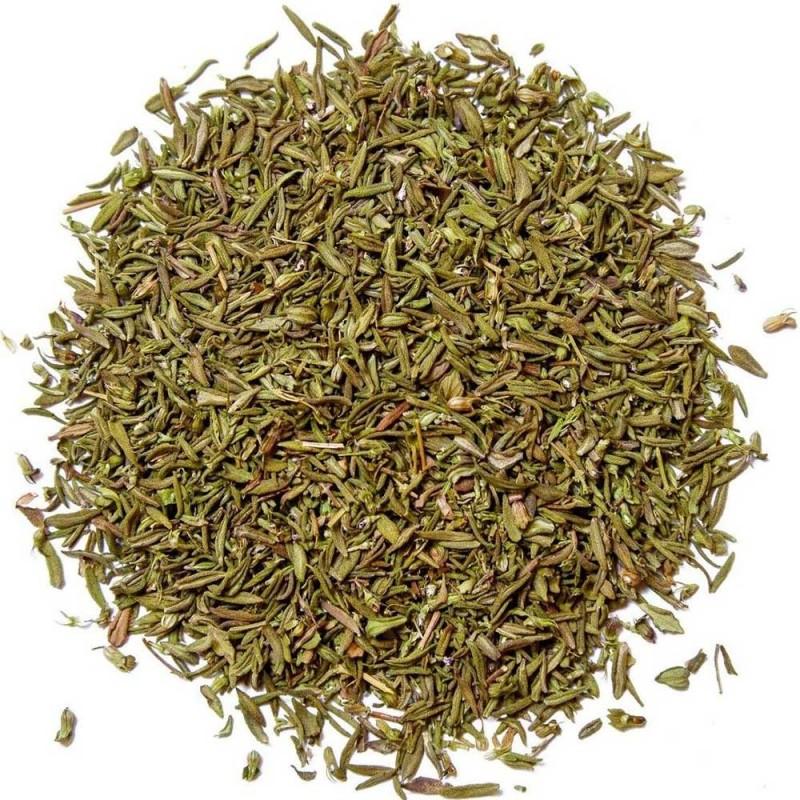
Thyme (thyme) (herb) 1 kg, Kharkiv region.
Region:all Ukraine,
Kharkiv region.
(Kharkiv)
Updated:
Thyme common, better known asthyme, has a strong antiseptic and enveloping effect, as a result of which it is used externally for purulent wounds, abscesses, ulcers, eczema and other skin diseases. As a rinse, thyme is used for pharyngitis, angina, and laryngitis; they also treat inflammatory diseases of the eyes and eyelids. Also, this shrub helps with colds, coughs, whooping cough, bronchitis, tracheitis, bronchopneumonia, rheumatism and radiculitis. Its soothing properties are useful for headaches, hysteria, neuroses and other nervous diseases. It is also used for indigestion and appetite disorders, flatulence, bowel disorders, and ego atony. Thyme, as a plant with a characteristic bitter taste, is widely used in cooking as a spice. It is also used in folk medicine, where its expectorant properties are used in the treatment of bronchial and lung diseases. Also, when using thyme, a soothing, disinfecting, and antiseptic effect is observed. Common thyme herb contains tannins, caffeic, quinine, oleanolic, triterpene, chlorogenic, and ursolic acids, as well as essentialoil, linalool, thymol, pinene, terpinene, thymus saponin, flavonoids, borneol and a number of other useful substances and trace elements.
|
Author, contacts | |
Юлия / feedback, info. / activity assessment | |
|
Phone:
+38(xxxxxx
show
| |
| Viber: 380672594366 | |
Ad ID: #1115856
registered user, registration date: 04-30-2021)
Added / Updated: 02-09-2026 18:42 (current, until: 02-09-2027)
Permanent Ad Address:
Impressions / views for today: ?, total: ?
Similar ads
There are many interesting ones among them...
Filters: Thyme