For sale / buy
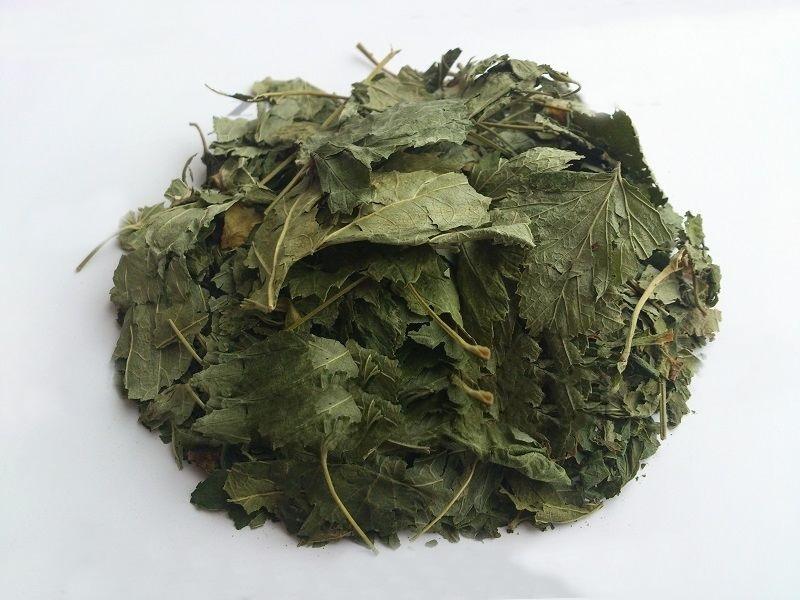
Blackcurrant (leaf) 1kg, Kharkiv region.
Region:all Ukraine,
Kharkivska region.
(Kharkiv)
Updated:
Blackcurrant is a plant with a very wide range of useful properties. Its leaves treat colds and acute respiratory diseases, it has a beneficial effect on the work of the heart and blood vessels in cardiovascular diseases, and the dehydrating effect helps with gout. Currant leaves are also used for rheumatism, kidney and bladder stones, cystitis, diarrhea, dysentery, stomach catarrh, appetite disorders, and other diseases of the gastrointestinal tract. The disinfecting effect of currants is used for inflammation of the oral cavity, in addition, this shrub helps with anemia, fever, gastritis, tuberculosis of the lymphatic glands, vitamin deficiency, edema, as well as with diathesis, rashes, dermatosis, furunculosis and many other skin diseases. Taking currant leaves is indicated for the prevention of diabetes and for the normalization of metabolism.Blackcurrant is an excellent honeybush, popular with beekeepers. Also, this plant is often used for decorative purposes in gardens and gardens, as a spice, as well as tea and the basis for salads is used in cooking. Literally all parts of currants are widely used in folk and official medicine - from the roots to the berries. The diaphoretic, diuretic and disinfectant properties of this shrub are especially appreciated, as well as its rich vitamin content. Currant leaves, like other parts of it, are rich in ascorbic acid; phytoncides, essential oilsoils, carotenes, as well as many vitamins and useful microelements are also found in them.
|
Author, contacts | |
Юлия / reviews, info. / rating of activity | |
|
Phone:
+38(xxxxxx
show
| |
| Viber: 380672594366 | |
All user ads ~206 | |
Ad ID: #1115814
(added by a registered user, registration date: 04-30-2021)
Added / Updated: 09-02-2026 18:42 (current, until: 02-09-2027)
Permanent Ad Address:
Impressions / views for today: ?, total: ?
Similar ads
Among them there are many interesting ones...