Sale / buy
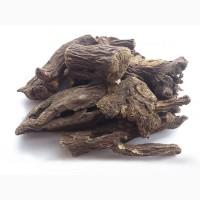
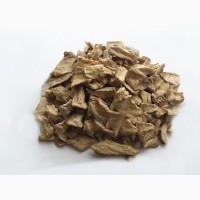
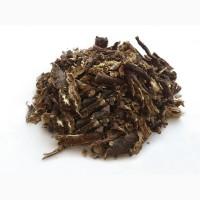
Marena root, 1kg, Kharkiv region.
Price490 UAH.
Region:all Ukraine,
Kharkiv region.
(Kharkiv)
Updated:
The roots and rhizomes of madder contain lucidin, purpurin, xanthopurpurin, pseudopurpurin, free alizarin, ruberitric acid, haliosin, ibericin, tartaric, malic and citric organic acids,sugar, pectins, as well as calcium and potassium salts. The ability to remove urates, oxalates, and phosphates from the body is an important property of galena preparations included in madder. In addition, they have diuretic, choleretic, antispasmodic and astringent properties. That is why folk medicine recommends the treatment of delirious kidney stone disease, inflammatory diseases of the digestive organs, constipation, cystitis, nephropyelitis, polyarthritis, gout and nocturia. As an additional remedy, madder is used in the treatment of bone diseases - caries, tuberculosis and rickets. An infusion of madder rhizomes is used for delayed menstruation and inflammation of the spleen. Hippocrates, Dioscorides, Galen and other outstanding doctors who used madder for kidney and liver diseases and for wound healing also wrote about the healing power of madder. But Tibetan doctors used maddened heartworm to treat these same diseases.
|
Author, contacts | |
Юлия / reviews, info. / evaluation of activity | |
|
Phone:
+38(xxxxxx
show
| |
| Viber: 380672594366 | |
All ads user ~209 | |
Ad ID: #1115680
(added by a registered user, registration date: 04-30-2021)
Added / Updated: 09-11-2025 15:09 (current, until: 11-09-2026)
Permanent Ad Address:
Impressions / views for today: ?, total: ?
Similar ads
Among them there are many interesting ones...