For sale / buy
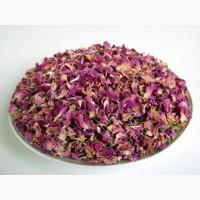
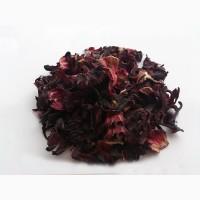
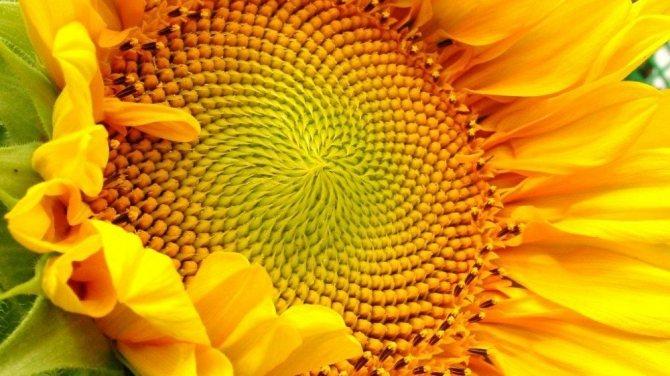
Sunflower petals 1 kg, Kharkiv region.
Region:all Ukraine,
Kharkiv region.
(Kharkiv)
Updated:
Sunflower flowersunflower, in particular its petals, are very rich in various vitamins, macro- and microelements, necessary for maintaining human health. The healing properties of these useful substances contribute to strengthening the immunity of the whole body. They have wound-healing and disinfecting properties, so they are often used externally as a medicine for the treatment of each integument. Medicinal products in the form of decoctions and infusions help the body to stop bleeding faster, accelerate the healing of wounds, ulcers, and cuts. They are used to treat burns in the form of a disinfecting and healing preparation. In some cases, they are used in cosmetology, in particular, to improve hair. Rubs from this part of the plant treat joints. The vitamins and unique substances included in their composition are used as a vitaminized product that strengthens the immune system and eliminates such a condition as avitaminosis. When taking healing petal solutions inside, one begins to feel a rush of strength and vigor. Petal treatment is used by herbalists and healers for such diseases as diabetes, pancreatitis, liver diseases, neuralgia, pneumonia, bronchitis, and malaria. The healing properties of sunflower help the body cope with seasonal infectious diseases, such as sore throat, flu, colds, acute respiratory infections, acute respiratory infections. Homeopathic medicines from the petals have a diuretic property, and also contribute to the removal of fever in the acute phase of diseases. It is noted that they have a beneficial effect on the human genitourinary system. They are often used in health programs for kidney stone and urolithiasis (with stones in the gall bladder). They are able to regulate metabolism, and also help dissolve salt deposits in bones and joints. Like the majoritymedicinal herbs, it has its own specific limitations in use: It is contraindicated for women during pregnancy and breastfeeding. It is not recommended to use this plant for patients suffering from problems of the gastrointestinal tract, in particular, peptic ulcer disease of the stomach and duodenum.
|
Author, contacts | |
Юлия / reviews, info./ rating of activity | |
|
Phone:
+38(xxxxxx
show
| |
| Viber: 380672594366 | |
All ads user ~206 | |
Ad ID: #1115660
(added by a registered user, registration date: 04-30-2021)
Added / Updated: 09-02-2026 18:42 (current, until: 02-09-2027)
Permanent Ad Address:
Impressions / views for today: ?, total: ?
Similar ads
There are many interesting ones among them...