For sale / buy
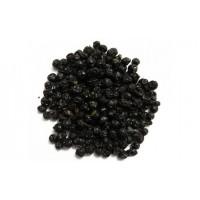
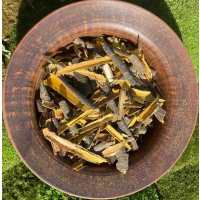
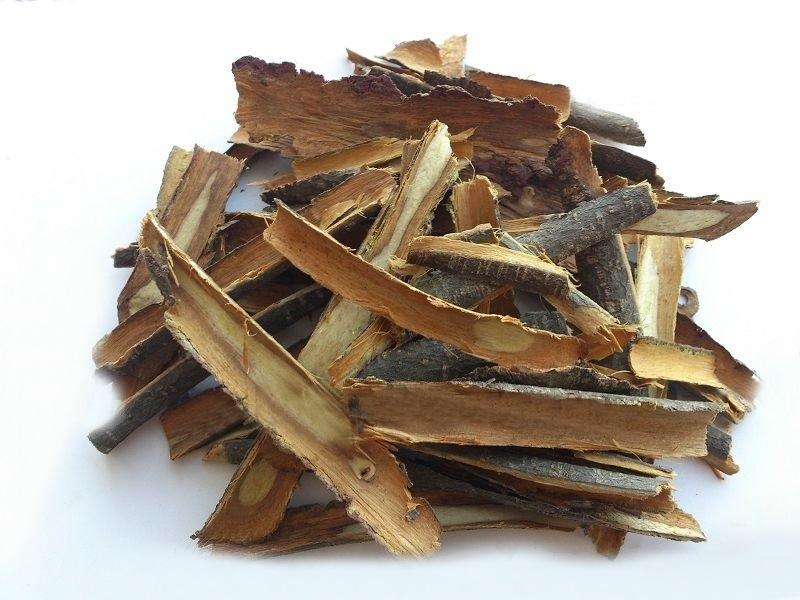
Brush (bark) 1 kg, Kharkiv region.
Region:all Ukraine,
Kharkiv region.
(Kharkiv)
Updated:
Buckwheat is widely used in traditional medicine for various diseases of the gastrointestinal tract: atony of the intestines, constipation, hemorrhoids, rectal fissures, gastric and duodenal ulcers, colitis, indigestion, gastric and intestinal colic, as well as other diseases accompanied by abdominal pain. In addition, buckthorn-based preparations are used to treat skin diseases, including those caused by infection or metabolism. With the help of means based on this shrub, scabies, furunculosis, purulent wounds are treated. It is also used to reduce weight in case of obesity. Diseases in which buckthorn is indicated include fever, anemia, dropsy, migraine, diseases of the liver and biliary system. This plant is used in several industries. It is valued as a honey bear, as well as a decorative and industrial shrub. Buckthorn fruits and bark are used in folk medicine. Its laxative properties are especially important, thanks to which buckthorn-based preparations are used for many gastrointestinal diseases. Skin diseases, diseases of the liver and biliary system are also treated with the help of these means. They can be used for some diseases caused by metabolic disorders, including obesity. Buckthorn bark contains up to 8% substances from the group of anthraquinones. These include frangulin, glucofrangulin, isoemodin and emodin. Resins, tannins, triterpene glycosides, essentialoil, anthranols, etc. were found in this part of the shrub.
|
Автор, контакти | |
Юлия / відгуки, інфо. / activity evaluation | |
|
Phone:
+38(xxxxxx
show
| |
| Viber: 380672594366 | |
All user ads ~206 | |
Ad ID: #1115618
(added by a registered user, registration date: 04-30-2021)
Added / Updated: 09-02-2026 18:42 (current, until: 02-09-2027)
Permanent Ad Address:
Impressions / views for today: ?, total: ?
Similar ads
There are many interesting ones among them...