For sale / buy
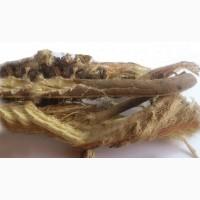
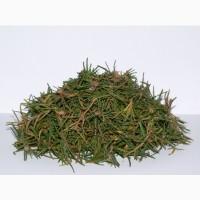
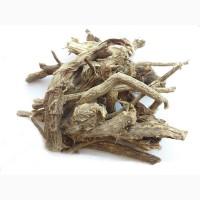
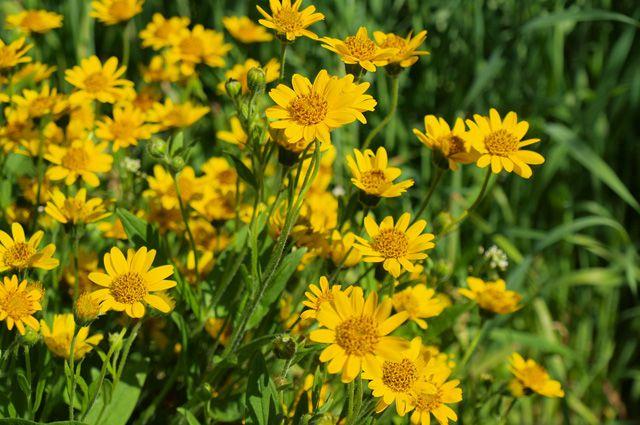
Arnica mountain (flowers) 1 kg, Kharkiv region.
Region:All Ukraine,
Kharkiv region.
(Kharkiv)
Updated:
Arnica flowers have choleretic properties, and also have a hemostatic effect, strengthen the tone and contractions of the uterus. Preparations from arnica flowers in small doses have a tonic effect on the central nervous system, and in large doses - sedative and prevent the development of convulsions. Also, arnica flowers have the ability to reduce reflex excitability of the brain and dilate cerebral vessels. Therefore, arnica used to be used in the recovery period after cerebral hemorrhage with the aim of faster recovery of the functional state of the nervous system. The best results were observed when using tincture of fresh arnica flowers. Unlike ergot preparations, arnica lowers blood pressure. Side effects of arnica tincture are not observed in patients. Otherwise, preparations from the roots of arnica work. They excite the cardiovascular system, increase coronary blood flow, dilate coronary vessels in various pathological conditions, atherosclerosis, myocarditis and cardiac angiospasms. Arnica is an old medicine that was used in the countries of Western Europe as early as the 11th century. It is not widely used in modern allopathic medicine, but it was included in the pharmacopoeia of the USSR. Flower baskets, as well as a decoction and alcohol tincture from them, are used for medicinal purposes. In other countries, they use only the extract of flowers or in the form of plasters, sometimes rhizomes for the preparation of tinctures and extracts. In medicine, alcohol tincture of flowers is used as a hemostatic agent for uterine and nasal bleeding, in obstetric and gynecological practice - for insufficient reverse development of the uterus after childbirth and inflammatory processes of the genital sphere, as well as edema and heart failure. A beneficial effect has been noted for angina pectoris and heart failure. In experiments on animals, arnica preparations cause strengthening of the uterine muscles, and also have an excitatory effect on the heart and central nervous system. In addition, they expand the coronary vessels of the isolated heart, have a choleretic effect and lower the level of cholesterol in the blood, which is due to the presence of cynarin in arnica. Arnica preparations are used externally for bruises and bruises, carbuncles, boils, and abscesses as a means of promoting absorption and as a distraction. In homeopathic medicine, it is used as a heart remedy, as a hemostatic agent, for various injuries: in the form of a tincture of dried rhizomes with roots or an essence of fresh flowering grass. In folk medicine, it is used for fever, as a diuretic, diaphoretic, astringent for gastrointestinal disorders, as an anti-inflammatory agent for gynecological diseases, bronchitis and flu, as well as for epilepsy and concussion. Externally, the aqueous infusion of flower baskets was used for any rash (especially on the lips), furunculosis, ulcers, bruises, rheumatism, gout, neuralgia, lumbago, and toothache. Tincture of the roots was used inside for cardiac angiospasms, cardiosclerosis, myocarditis, as a stimulant; with bruises, bruises, small wounds, abscesses.
|
Author, contacts | |
Julia / reviews, info. | |
|
Phone:
+38(xxxxxx
show
| |
| Viber: 380672594366 | |
All user ads ~206 | |
Ad ID: #1115463
(added by registered by the user)
Added / Updated: 02-09-2026 18:42 (current, until: 02-09-2027)
Permanent Ad Address:
Impressions / views for today: ?, total: ?