Sell / buy
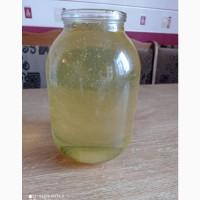
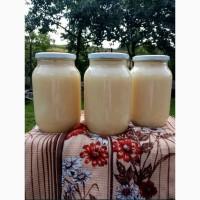
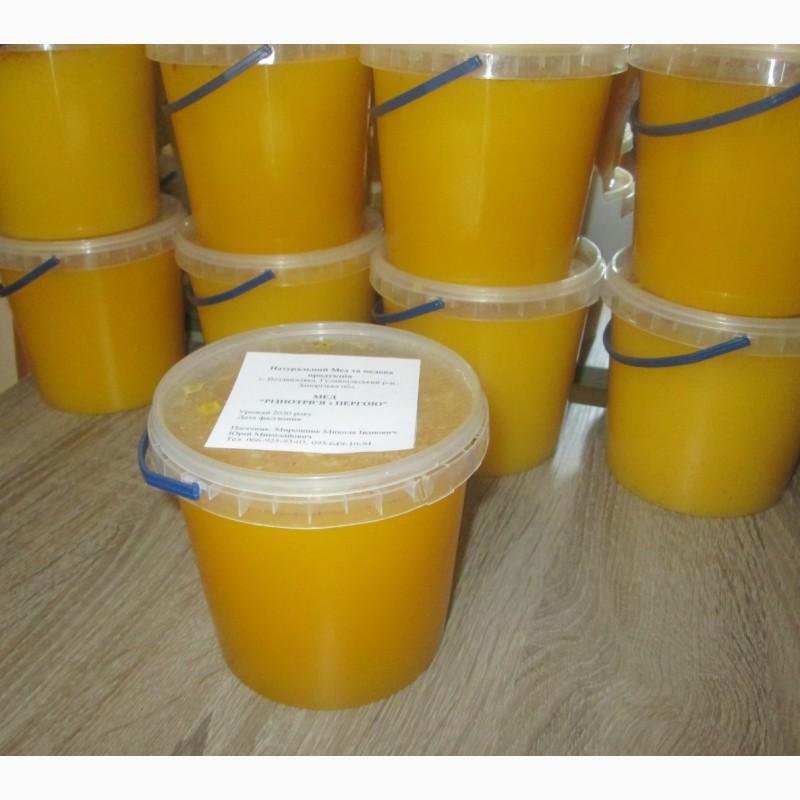
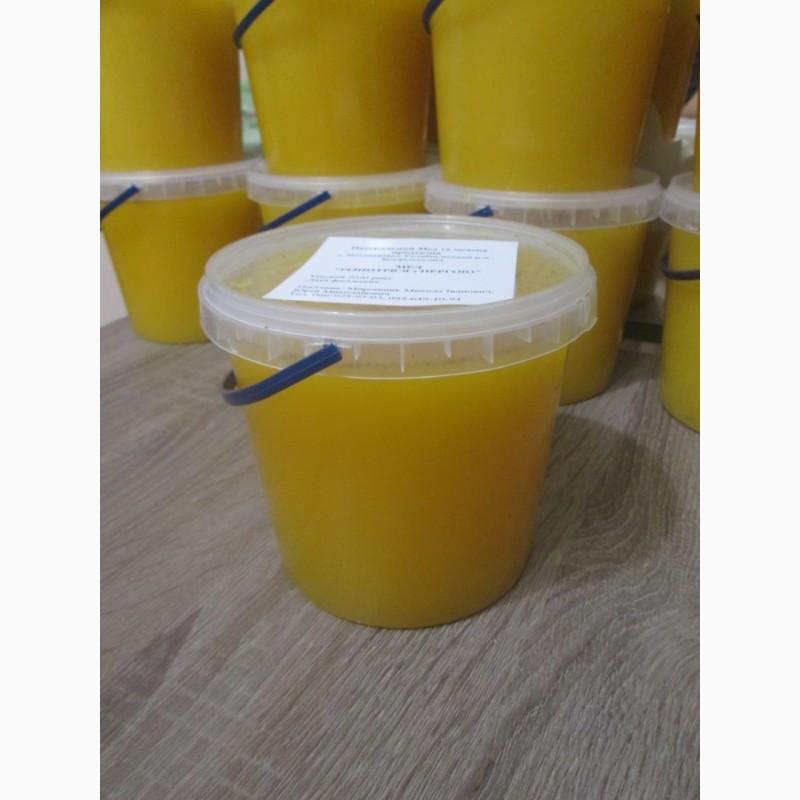
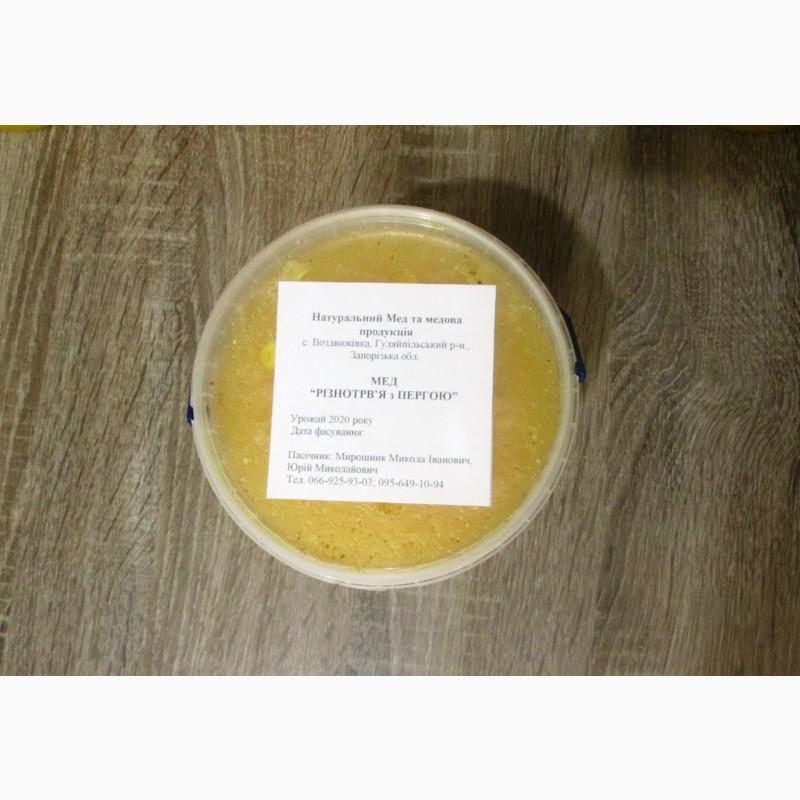
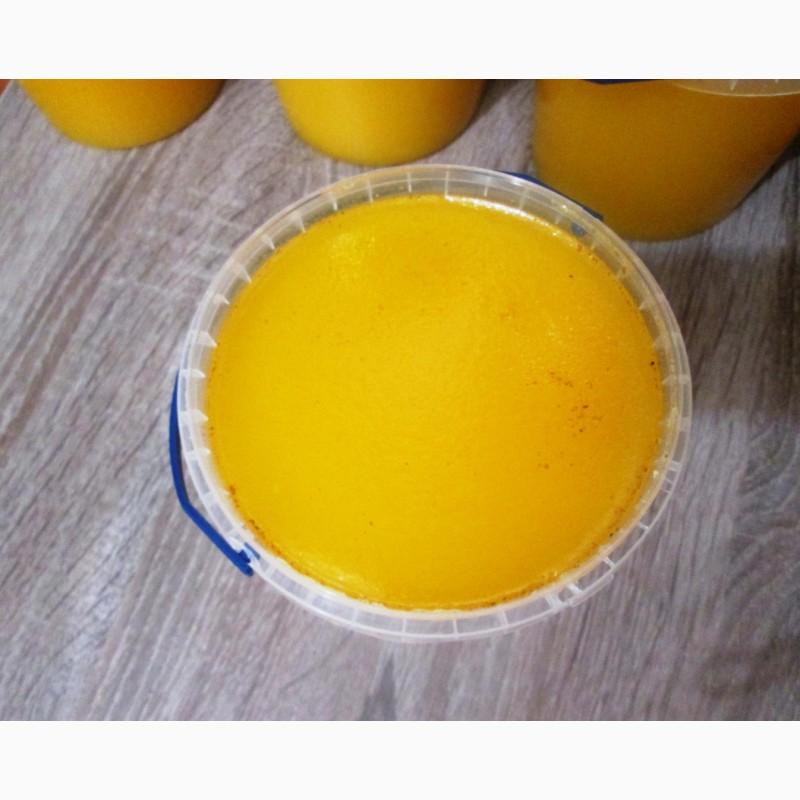
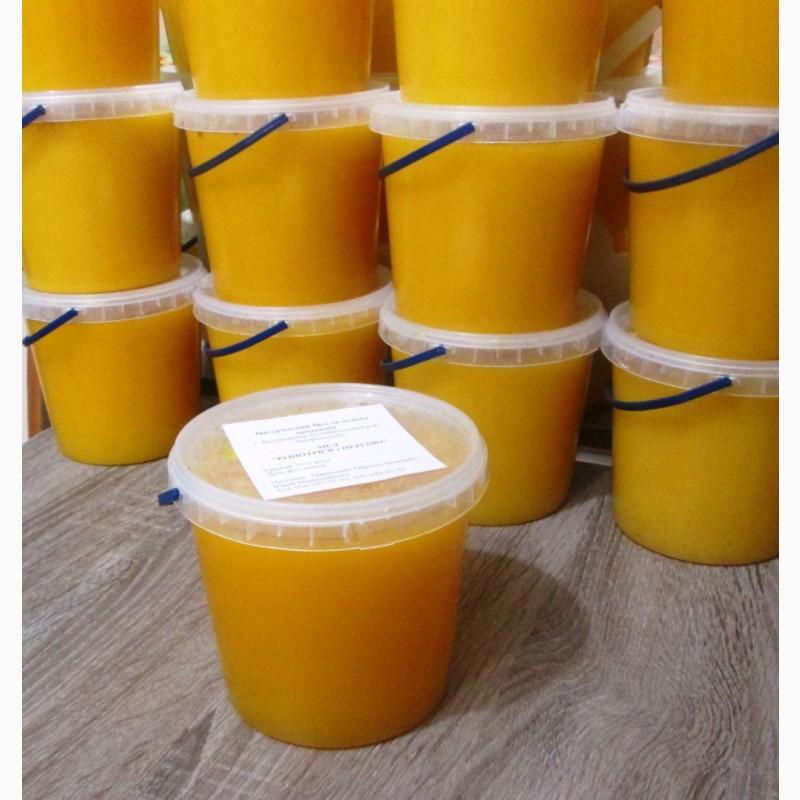
I will sell Honey "May / May + Herb with Linden" 2022 Wholesale / Retail, 100% QUALITY, Zaporizhzhia region.
Region:all of Ukraine,
Zaporizhia region.
(Gulyaipil district)
I OFFER YOUR ATTENTION Honey "May with Linden and Various Herbs" / "May with Linden and Herbs" 100% natural mature honey.
This type of honey combined two types of honey "Mayskyi" 40% and "Linden with various herbs" 60%, the ducking of honey, two types, was carried out simultaneously.
Harvest of 2021.
Collected from our own apiary, located in the forest-steppe zone of Ukraine, without antibiotics - an excellent export option!
The main honey collection for bees was the blossom of acacia, rapeseed, dandelion, linden blossom, and the blossom of wild flowers and plants such as: burkun, dogwort, phacelia, cornflower, bitter gourd, yarrow, goldenrod, clover, mother and stepmother, pikulnik and early varieties of sunflower.
"May with Linden and Various Herbs" honey also containsfloral pollen from honey-bearing flowers and plants, thanks to which this type of honey has a delicate structure and a pleasant, unforgettable taste. This honey combines different types of honey collections that are included in "May / May honey" and "Honey from Linden and various herbs".
Perga is the flower pollen of plants that is collected by honey bees, moistened with nectar, placed in the cells of the honeycomb, tamped and filled with honey.
Perga is an important food for bees; contains proteins, fats, carbohydrates, mineral salts, vitamins, enzymes, hormones. The largest number of perga stocks during the active season is observed in May - July, the smallest - in April.
Perga value:
Perga is the most perfect biologically active food additive, second only to royal jelly, which bees produce from perga. Perga enhances protein synthesis, affects the distribution of lipids and phospholipids. There are more yeast fungi in the fresh perza than in the mature one.
Perga gets its healing properties from medicinal herbs, since the most useful substances are most often concentrated in flowers. No natural product in the world has such biological activity. Perga restores the activity of the gastrointestinal tract, liver, and thyroid gland, improves the blood circulation system, reduces intoxication, and slows the growth of tumors. Perga is maximally absorbed by the body, it enhances the effect of nutrients, due to which the functioning of organs is normalized. This is a unique product because perga is produced by bees in limited quantities. Perga cannot be artificially cultivated or forged.
Medicinal and pharmacological properties of honey
According to the US National Institutes of Health, honey can be effective in the treatment of burns, wounds, coughs, and diabetes. Honey has proven antibacterial and antiviral properties, the interest in which is growing recently.
Production of honey
The production of honey begins in the body of forager bees. While working on the flowers, enzymes secreted by the hypopharyngeal gland are added to the nectar in the honey bee. Under the influence of one of them, invertase, sucrose is hydrolyzed (split) into glucose and fructose. Host bees receive nectar from foragers and continue processing. They transfer the sweet drops into the cells (honeycombs), release them many times from the beak to the tip of the proboscis and absorb them back. This enriches the nectar with enzymes. There is less sucrose, and more glucose and fructose. In addition to chemical transformations, the water content decreases under the influence of active evaporation. As a result of the complex work of bees, in relation to the transformation of nectar, the chemical composition of the mature product changes, it becomes thick, easily digestible and suitable for long-term storage. The bees seal the finished honey in the cells with wax caps. This sign is the basis for determining its maturity and terms of pumping. Unsealed honey not only has increased water content, but also contains a significant amount of undigested sucrose, which reduces its quality. In an unripe state, it sours and ferments, so it cannot be stored.
Composition of honey
About 300 substances and ash elements were found in honey (Chudakov V. G., 1979). It concentrates the entire composition of nectar, enriched with the secretions of special glands of bees. Some components are formed as a result of chemical reactions in the cells of honeycombs.
The composition of honey: the first component is fructose (21.7% - 53.9%) and glucose (20.4% - 44.4%); the second — organic acids; the third — chemical elements, the number of which is almost the same as in human blood; the fourth — proteins (enzymes) that accelerate the passage of chemical processes in living organisms; the fifth — invertase, diastase, catalase and other components; the sixth — vitamins; the seventh component of honey is water. Its normal amount in honey is from 15% to 20%.
The main component is sugars. Together with other substances and elements, they make up an average of 80% of the total mass, the rest is water. The water content of most varieties collected in different areas of our country is about 18%. The water content varies from 15 to 21%. A mixture of glucose and fructose is called invert sugar. In most types of honey, glucose and fructose come from the nectar mainly in the finished form. A certain part of them during nectar processing is formed from sucrose under the influence of enzymes and acids. With an increase in the content of invert sugar, the quality of honey and its maturity improve.
High-quality varieties of honey contain about 75% simple sugars. Glucose, as a rule, is less (about 35%) than fructose (40%). Their ratio greatly affects the physical properties of honey. With an increase in the amount of glucose, the ability to crystallize increases, and from fructose, it tastes sweeter and is more hygroscopic (the ability to absorb moisture in the environment). According to the data of the Ukrainian research station of beekeeping, different varieties of Ukrainian honey contain on average 68.5-74.1% invert sugar (Cherkasova A.I., 1969).
Sucrose in mature honey is from 1.3 to 5%. As a result of processing by bees, it is almost completely or completely split into glucose and fructose. More than 7-8% of it in honey indicates immaturity or falsification of the product. Honey contains maltose, a small amount of dextrins (3-4%), proteins (0.3%), acids (0.1%) and enzymes, as well as aromatic substances. With nectar, they enter the hive and give a peculiar smell to the mature product. Most of them are in fresh honey. They are partially lost during pumping and storage without tight closure, and most during processing, heating and packaging when the honey is open. In such processes, it is desirable to keep the honey closed if possible.
(//tractor-service.com)
B vitamins, as well as ascorbic acid (C) mixed with other components contained in honey, are very useful for the human body.
The content of mineral substances
Mineral substances (ash) are on average 0.17% (0.112-0.32%), there are more of them in dark-colored honeys, which increases the nutritional value.
Enzymes
Enzymes such as invertase, diastase, catalase, lipase and others contained in honey lose or reduce their activity when heated to high temperatures (60 °C and above) or adulterated. Diastase number indicates the content of enzymes. Diastase number up to 30-50 units, which indicates high enzymatic activity.
Energy value (100 g): 330 kcal (1382 kJ)
Nutritional value (100 g):
Proteins 0.3 g
Fats 0 g
Carbohydrates 82.4 g
Glycemic index: (an indicator that reflects the speed with which a particular food product is broken down in the human body and turns into glucose, the main source of energy. The faster the product is broken down, the higher its glycemic index. Glucose, whose glycemic index is 100, was taken as the standard. All other indicators are compared with the glycemic index of glucose)
90 (high)
Specific gravity:
0.5 liter = 0.7 kg
1 liter = 1.4 kg
Wholesale price (from 10 l / 14 kg):
"May + various herbs with Linden" - UAH 120/kg;
RETAIL price (from 1 liter):
"May + various herbs with Linden" - UAH 220/liter (1.4 kg).
THE PRODUCT IS MADE BY NATURE ITSELF!
CHOOSING OUR HONEY - YOU CHOOSE A 100% QUALITY PRODUCT
Delivery in Ukraine: UkrPoshta, Nova Poshta, Samovyviz.
Payment: cash, cash on delivery, prepaid card Privat Bank
For orders, please call tel. 0956xxxxxx Yuriy; tel. 0669xxxxxx Mykola Ivanovich
This type of honey combined two types of honey "Mayskyi" 40% and "Linden with various herbs" 60%, the ducking of honey, two types, was carried out simultaneously.
Harvest of 2021.
Collected from our own apiary, located in the forest-steppe zone of Ukraine, without antibiotics - an excellent export option!
The main honey collection for bees was the blossom of acacia, rapeseed, dandelion, linden blossom, and the blossom of wild flowers and plants such as: burkun, dogwort, phacelia, cornflower, bitter gourd, yarrow, goldenrod, clover, mother and stepmother, pikulnik and early varieties of sunflower.
"May with Linden and Various Herbs" honey also containsfloral pollen from honey-bearing flowers and plants, thanks to which this type of honey has a delicate structure and a pleasant, unforgettable taste. This honey combines different types of honey collections that are included in "May / May honey" and "Honey from Linden and various herbs".
Perga is the flower pollen of plants that is collected by honey bees, moistened with nectar, placed in the cells of the honeycomb, tamped and filled with honey.
Perga is an important food for bees; contains proteins, fats, carbohydrates, mineral salts, vitamins, enzymes, hormones. The largest number of perga stocks during the active season is observed in May - July, the smallest - in April.
Perga value:
Perga is the most perfect biologically active food additive, second only to royal jelly, which bees produce from perga. Perga enhances protein synthesis, affects the distribution of lipids and phospholipids. There are more yeast fungi in the fresh perza than in the mature one.
Perga gets its healing properties from medicinal herbs, since the most useful substances are most often concentrated in flowers. No natural product in the world has such biological activity. Perga restores the activity of the gastrointestinal tract, liver, and thyroid gland, improves the blood circulation system, reduces intoxication, and slows the growth of tumors. Perga is maximally absorbed by the body, it enhances the effect of nutrients, due to which the functioning of organs is normalized. This is a unique product because perga is produced by bees in limited quantities. Perga cannot be artificially cultivated or forged.
Medicinal and pharmacological properties of honey
According to the US National Institutes of Health, honey can be effective in the treatment of burns, wounds, coughs, and diabetes. Honey has proven antibacterial and antiviral properties, the interest in which is growing recently.
Production of honey
The production of honey begins in the body of forager bees. While working on the flowers, enzymes secreted by the hypopharyngeal gland are added to the nectar in the honey bee. Under the influence of one of them, invertase, sucrose is hydrolyzed (split) into glucose and fructose. Host bees receive nectar from foragers and continue processing. They transfer the sweet drops into the cells (honeycombs), release them many times from the beak to the tip of the proboscis and absorb them back. This enriches the nectar with enzymes. There is less sucrose, and more glucose and fructose. In addition to chemical transformations, the water content decreases under the influence of active evaporation. As a result of the complex work of bees, in relation to the transformation of nectar, the chemical composition of the mature product changes, it becomes thick, easily digestible and suitable for long-term storage. The bees seal the finished honey in the cells with wax caps. This sign is the basis for determining its maturity and terms of pumping. Unsealed honey not only has increased water content, but also contains a significant amount of undigested sucrose, which reduces its quality. In an unripe state, it sours and ferments, so it cannot be stored.
Composition of honey
About 300 substances and ash elements were found in honey (Chudakov V. G., 1979). It concentrates the entire composition of nectar, enriched with the secretions of special glands of bees. Some components are formed as a result of chemical reactions in the cells of honeycombs.
The composition of honey: the first component is fructose (21.7% - 53.9%) and glucose (20.4% - 44.4%); the second — organic acids; the third — chemical elements, the number of which is almost the same as in human blood; the fourth — proteins (enzymes) that accelerate the passage of chemical processes in living organisms; the fifth — invertase, diastase, catalase and other components; the sixth — vitamins; the seventh component of honey is water. Its normal amount in honey is from 15% to 20%.
The main component is sugars. Together with other substances and elements, they make up an average of 80% of the total mass, the rest is water. The water content of most varieties collected in different areas of our country is about 18%. The water content varies from 15 to 21%. A mixture of glucose and fructose is called invert sugar. In most types of honey, glucose and fructose come from the nectar mainly in the finished form. A certain part of them during nectar processing is formed from sucrose under the influence of enzymes and acids. With an increase in the content of invert sugar, the quality of honey and its maturity improve.
High-quality varieties of honey contain about 75% simple sugars. Glucose, as a rule, is less (about 35%) than fructose (40%). Their ratio greatly affects the physical properties of honey. With an increase in the amount of glucose, the ability to crystallize increases, and from fructose, it tastes sweeter and is more hygroscopic (the ability to absorb moisture in the environment). According to the data of the Ukrainian research station of beekeeping, different varieties of Ukrainian honey contain on average 68.5-74.1% invert sugar (Cherkasova A.I., 1969).
Sucrose in mature honey is from 1.3 to 5%. As a result of processing by bees, it is almost completely or completely split into glucose and fructose. More than 7-8% of it in honey indicates immaturity or falsification of the product. Honey contains maltose, a small amount of dextrins (3-4%), proteins (0.3%), acids (0.1%) and enzymes, as well as aromatic substances. With nectar, they enter the hive and give a peculiar smell to the mature product. Most of them are in fresh honey. They are partially lost during pumping and storage without tight closure, and most during processing, heating and packaging when the honey is open. In such processes, it is desirable to keep the honey closed if possible.
(//tractor-service.com)
B vitamins, as well as ascorbic acid (C) mixed with other components contained in honey, are very useful for the human body.
The content of mineral substances
Mineral substances (ash) are on average 0.17% (0.112-0.32%), there are more of them in dark-colored honeys, which increases the nutritional value.
Enzymes
Enzymes such as invertase, diastase, catalase, lipase and others contained in honey lose or reduce their activity when heated to high temperatures (60 °C and above) or adulterated. Diastase number indicates the content of enzymes. Diastase number up to 30-50 units, which indicates high enzymatic activity.
Energy value (100 g): 330 kcal (1382 kJ)
Nutritional value (100 g):
Proteins 0.3 g
Fats 0 g
Carbohydrates 82.4 g
Glycemic index: (an indicator that reflects the speed with which a particular food product is broken down in the human body and turns into glucose, the main source of energy. The faster the product is broken down, the higher its glycemic index. Glucose, whose glycemic index is 100, was taken as the standard. All other indicators are compared with the glycemic index of glucose)
90 (high)
Specific gravity:
0.5 liter = 0.7 kg
1 liter = 1.4 kg
Wholesale price (from 10 l / 14 kg):
"May + various herbs with Linden" - UAH 120/kg;
RETAIL price (from 1 liter):
"May + various herbs with Linden" - UAH 220/liter (1.4 kg).
THE PRODUCT IS MADE BY NATURE ITSELF!
CHOOSING OUR HONEY - YOU CHOOSE A 100% QUALITY PRODUCT
Delivery in Ukraine: UkrPoshta, Nova Poshta, Samovyviz.
Payment: cash, cash on delivery, prepaid card Privat Bank
For orders, please call tel. 0956xxxxxx Yuriy; tel. 0669xxxxxx Mykola Ivanovich
Ad ID: #1100696
(added by a registered user)
Permanent Ad Address:
Impressions / views for today: ?, total: ?
Similar ads
Filters: Honey for sale Bulk honey Acacia honey Sunflower honey Rapeseed honey Linden honey honey Flower honey May honey Bulk honey