/ Seeds, seedlings and sowing materials / Seeds of vegetables, herbs, spices / Pumpkin seeds / Hokkaido pumpkin seeds for sale
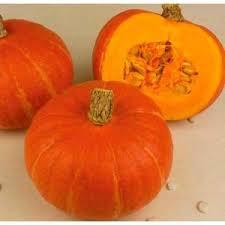
For sale / buy
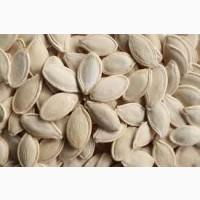
For sale Hokkaido pumpkin seeds, Kyiv region.
Region:everywhere Ukraine,
Kyiv region.
(Velika Snitynka village)
Hokkaido is a type of portioned Japanese pumpkin. It is known in Japan as kabocha (kabocha in translation from Japanese "pumpkin"), in English-speaking countries - as "winter pumpkin" (for a long storage period). In France, Hokkaido is very popular, but there it is called Potimarron, formed from two words - Potiron (pumpkin in French) and marron (chestnut), as the taste is a bit like chestnut, a nut.
Hokkaido fruits come in various shapes: spherical, flattened, pear-shaped. The color is from bright orange to dark green. The weight is about 1.5-2 kg, the taste is sweet, nutty.(//tractor-service.com)
How to taste: traditionally, this pumpkin is boiled, fried, stewed, baked. The dense flesh is ideal for cooking soups and pies, and can be frozen.
How to store: the optimal storage temperature for pumpkin is from +2 to +10 °C.
Useful properties: pumpkin is useful, as it is a rich source of carotene, the amount of which pumpkin ranks next to carrots, only slightly inferior to it. In connection with vitamin E, carotene is beneficial, slowing down the aging of the skin. Pumpkin is useful in that it helps prevent the development of kidney, heart, and liver diseases, prevents cancer, colitis, and diabetes. In terms of iron content, pumpkin has no equal among all existingvegetables. The benefit of pumpkin is also that it contains quite large amounts of calcium, potassium and magnesium salts, zinc salts, as well as vegetable protein and fiber. The content of a large amount of pectin substances in pumpkin allows you to remove harmful and toxic substances, including harmful cholesterol.
Hokkaido fruits come in various shapes: spherical, flattened, pear-shaped. The color is from bright orange to dark green. The weight is about 1.5-2 kg, the taste is sweet, nutty.(//tractor-service.com)
How to taste: traditionally, this pumpkin is boiled, fried, stewed, baked. The dense flesh is ideal for cooking soups and pies, and can be frozen.
How to store: the optimal storage temperature for pumpkin is from +2 to +10 °C.
Useful properties: pumpkin is useful, as it is a rich source of carotene, the amount of which pumpkin ranks next to carrots, only slightly inferior to it. In connection with vitamin E, carotene is beneficial, slowing down the aging of the skin. Pumpkin is useful in that it helps prevent the development of kidney, heart, and liver diseases, prevents cancer, colitis, and diabetes. In terms of iron content, pumpkin has no equal among all existingvegetables. The benefit of pumpkin is also that it contains quite large amounts of calcium, potassium and magnesium salts, zinc salts, as well as vegetable protein and fiber. The content of a large amount of pectin substances in pumpkin allows you to remove harmful and toxic substances, including harmful cholesterol.
Ad ID: #1082544
(added by a registered user)
Permanent Ad Address:
Impressions / views for today: ?, total: ?
Similar recent ads
There are many interesting ones among them...





Total33 similar fresh adsin the category "Pumpkin seeds (seed mat)"
All Ukraine: Seeds, seedlings and sowing materials 1204 / Seeds of vegetables, green, spices 305 / Pumpkin seeds 33
Kyiv region: Seeds, seedlings and seedlings materials 93 / Seeds of vegetables, herbs, spices 7 / Seeds pumpkin 4