Зарегистрироваться
UKR rus
 
As a result of the attack, the data center with the site's servers was damaged. The website was restored on a temporary site, the data was not affected. Work continues, disruptions are possible. Sorry for any inconvenience.
Key words:
 
Region, city:
Type announced
 —  
Price
 —  from  ... to 
Avoid...*
 —   
Sorting
By request

Ammonium nitrate in Ukraine

Total found, declared: 33. Shown: 20-33. Display mode:
Продам карбамид от поставщика минимум от 1000 тонн
I will sell Uzbek urea from a supplier. At least 1,000 tons. The price is negotiated on the day of signing the contract. My Viber and WhatsApp phone numbers are Alexander. Urea (urea) is a fertilizer with an amide form of nitrogen. This is the most concentrated of all nitrogen fertilizers. It is produced in granular form. Granulated urea has excellent physical characteristics: it does not stick, it retains good seedability. It is used for all agricultural crops in the form of a solution, both for the main application and for non-root fertilization. Urea is used as a component for the production of complex fertilizers and new types of slow-acting nitrogen fertilizers. Urea Click on the photo to enlarge Show all Content: Physical and chemical properties Urea (pure) Urea (fertilizer) Application Agriculture industry Behavior in the soil Application on various types of soil On light sod-podzolic soils In rainy conditions On soils with a neutral and alkaline reaction Methods of introduction Impact on agricultural crops Phytotoxicity Winter wheat Receiving Physical and chemical properties Urea (in its pure form) is a colorless, odorless crystal. Solubility in water (in 100 g): at +20C – 51.8 g, at +60C – 71.7 g, at +120 C – 95.0 g. Urea is soluble in methanol, ethanol, isopropanol, isobutanol, ethyl acetate, insoluble in chloroform. Urea is capable of forming compounds with the inclusion of inorganic substances and with organic substances. The melting point is +132.7C. Density at +25C – 1330 kg/m3 When heated to 150C and higher, urea turns into NH4NCO, then NH3 and CO2, biuret, cyanuric acid. In dilute solutions at 200C, complete hydrolysis of urea with the formation of NH3 and CO2 is possible. Urea (fertilizer) - colorless granules with a size of 1 to 4 mm. The mass fraction of nitrogen in terms of dry matter is 46.2%. The mass fraction of biuret should not exceed 1.4%. The mass fraction of water by the drying method is no more than 0.3%. Friability - not less than 100%. Fertilizers containing Urea Urea brand B Prillirovanny urea, brand B Humatized urea Application Two brands of urea are produced: A – for industry and B – for plant growing. Agriculture Urea is used for all agricultural crops as the main fertilizer (for the main application), for early spring fertilizing of winter crops with immediate application to the soil, as well as for fertilizing vegetable and fallow crops with the help of cultivators-plant feeders. Urea is ideal for non-root feeding of plants and fertigation. Urea brands registered and approved for use in agriculture on the territory of Russia are listed in the table on the right. industry Urea is used in industry as a raw material for the production of resins and glues, as well as in animal husbandry as a feed additive. Behavior in the soil Urea dissolves in the soil with a soil solution and, under the influence of urobacteria that secrete uraza (a special enzyme), is ammonified in two or three days and turns into ammonium carbonate: CO(NH2)2 + 2H2O → (NH4)2CO3 Ammonium carbonate is an unstable compound that decomposes in air, forming ammonium bicarbonate and ammonia: (NH4)2CO3 → NH4HCO3 + NH3 For this reason, when urea is introduced without sealing into the soil in the absence of sediments, part of the nitrogen in the form of ammonia is lost. Such losses are more significant in soils with a neutral and alkaline reaction. Ammonium carbonate embedded in the soil undergoes hydrolysis. At the same time, ammonium bicarbonate and ammonium hydroxide are formed: (NH4)2CO3 + H2O → NH4HCO3 + NH4OH Ammonium formed when carbamide is introduced into the soil is absorbed by the colloidal fraction and gradually assimilated by plants. It was established that urea can be absorbed by the roots and leaves of plants without preliminary transformation. But there is a danger of leaching urea that has not undergone ammonification from the soil. During the urea ammonification process, a temporary local alkalinization of the soil occurs due to the hydrolysis of ammonium carbonate. After some time, ammonium undergoes nitrification, forming acid and moving the reaction towards acidification: 2NH3 + 3O2 → 2HNO2 + 2H2O 2HNO2 + O2 → 2HNO3 Thus, urea is a biologically acidic fertilizer. But after plants absorb nitrogen from this fertilizer, neither acidic nor alkaline residues remain in the soil. Application on various types of soil Urea is used as the main fertilizer on all soils for various agricultural crops. Urea is more effective than ammonium nitrate on light sod-podzolic soils in the zone of sufficient moisture and during irrigation on serous soils. In rainy conditions, with the main application of urea, it is equivalent to ammonium nitrate. On soils with a neutral and alkaline reaction, urea must be immediately incorporated into the soil to reduce nitrogen losses. Urea is used for sowing and fertilizing. As the main fertilizer, urea is used on all soils and under all agricultural crops. Early spring fertilizing of winter crops is carried out with immediate application of fertilizer to the soil by harrowing in order to reduce ammonia losses. Fertilization of vegetable and fallow crops is carried out using cultivators-plant feeders. Urea is considered the best form of nitrogen fertilizer for non-root fertilizing plants, as it does not burn the leaves and is able to be absorbed by them in the form of a whole molecule, without decomposition. Already 48 hours after spraying with carbamide, nitrogen is found in the protein composition of plants. Urea is one of the fertilizers recommended for fertigation. Impact on agricultural crops Urea is a valuable nitrogen fertilizer. It is effective when applied to various cultures. In terms of effect on the crop, it is in the same row as ammonium nitrate. Phytotoxicity. Applying urea to beets (all types) and canola before sowing can lead to the death of seedlings. Winter wheat. The use of urea as a non-root fertilizer significantly increases the protein content of grain. Receiving Urea is obtained by synthesis from ammonia and carbon dioxide (CO2) at high pressure and temperature. To improve physical and chemical properties, crystalline urea is granulated. Granules to reduce stickiness are covered with a thin film of fat additive.
Agroproduktsiya,Odessa region., 02-08-2026, Sell/buy
КАС-32 купить с доставкой по Украине
32,000 UAH.
КАС-32 KAS-32 is a urea-ammonia mixture with a nitrogen content of 32%, which contains ammonium nitrate and urea in a 1:1 ratio. It is used to optimize the nutrition of different types of agricultural crops as the main fertilizer or as a supplement. Composition KAS-32 provides long-term plant nutrition and contains 3 forms of nitrogen: Amid - successively turns into ammonium, and then into nitrate form, during the action of soil microorganisms Nitrate - reacting instantly; Ammonium - in the process of nitrification, it changes to the nitrate form. Merits If you are in doubt whether to buy KAS-32 or another type of fertilizer, we suggest you familiarize yourself with the main advantages of its use: · Absence of free forms of ammonia, which prevents evaporation into the atmosphere when applied; · Applying KAS-32 in liquid form to the soil is more uniform than fertilized in granules or in loose form; · The possibility of using KAS-32 together with other fertilizers in one tank mixture (in containers of any type), which allows you to significantly reduce the number of operations for processing crops; · Affordable cost of KAS-32. The price of this type of fertilizer is much lower than other types of nitrogen fertilizers. Thanks to minimal losses of nitrogen during application - no more than 10% of the total content (compared to 30-40% losses when using granular fertilizers), KAS-32 is very popular. Features of use In this section, we will try to answer the most popular question of our clients "If I buy KAS-32, what rules should be followed when using it?" Fertilizer is widely used in all soil and climatic zones of Ukraine for root and foliar fertilization of agricultural plants. It can be used in autumn during the main tillage, or in spring - before sowing. In addition, KAS-32 is also applied during the growing season of plants for root and non-root nutrition. It is not recommended to apply fertilizer after precipitation, when the surface of the plants is the most permeable. The optimal time to apply KAS-32 as a feed is the evening period, when the absorption of nitrogenous substances slows down, or the morning hours, provided there is no dew. Norms and doses of fertilizer application depend on the type of plant, type of soil and other factors, but there are no special restrictions.
Market of chemical raw materials,Cherkasskaya oblast., 24-07-2026, Sell/buy
Карбомид Туркменистан марки (Б) 2
21,800 UAH.
Carbomid (bag) Composition: 46% — Nitrogen (N) • Suitable for all types of agricultural plants, this nitrogen fertilizer is in a solid, concentrated form • Urea is used on any soil as a basic and post-sowing fertilizer • Affects the increase of protein in grain • Significantly increases yields • Stored in the form of granules, perfectly soluble in water, good digestibility by agricultural crops • Thanks to the coarse grain composition and high strength of the granules, it has excellent properties when mixing different fertilizers. Urea is used: Urea is as effective as ammonium nitrate in basic soil fertilization. It is economically expedient to use urea because of the higher nitrogen content in urea in contrast to other nitrogen fertilizers. It also serves as an additive in the food of ruminant animals. This fertilizer is used to increase protein in grain, when growing rice, for non-root fertilization of vegetables and fruit plants. With a higher concentration of urea (more than 5%), the effect of burning leaves does not occur and good absorption by agricultural crops is observed. Timely embedding of urea in the soil when applied to the upper layers will avoid nitrogen loss. When using urea on acidic soil, as a recommendation, it is necessary to mix 0.8 c of CaCO3 to one centner of fertilizer to neutralize the increased acidity of the soil. Additionally, during sowing, urea is mixed with potassium chloride and superphosphate. It is also recommended to make mixtures with phosphorite flour. Urea (wholesale in Ukraine) has increased resistance to leaching, which is an important factor when applying it to the mail in areas with irrigation systems. In these areas, it can be applied in solid form or as a mixture with other fertilizers. Отгрузка расположения from a warehouse in Synelnikovo.
LLC "TD "Svarog Agro",Dnepropetrovsk region., 23-09-2026, I will sell/buy
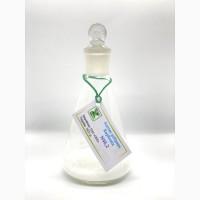
Амміачна селітра від польського виробника Anwil
22,000 UAH.
AgroTex,Volynskaya region., 20-08-2026, Selling
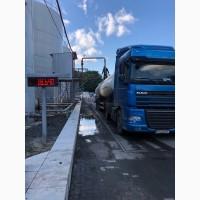
Удобрение жидкое азотное КАС 32 2
21,000 UAH.
Liquid fertilizer KAS-32 - is a solution of urea with ammonium nitrate and contains 32% nitrogen. KAS has a neutral or slightly alkaline reaction, is a transparent or yellowish liquid with a density of 1.26-1.33 g/cm³. KAS-32 fertilizer practically does not contain free ammonia, which excludes nitrogen losses during loading, transportation, storage and application to the soil. Ego can be applied with the help of high-performance aggregates without simultaneous sealing in the soil, as well as with irrigation water. Urea-ammonia mixture with a nitrogen content of 32% (KAS-32) is a broad-spectrum fertilizer used for growing various agricultural crops. It is used for foliar or foliar fertilizing of plants in the form of multi-component tank mixtures, as the main fertilizer, before the beginning of seed cultivation and during irrigation of agricultural crops in all soil and climatic zones of Ukraine. KAS has a number of advantages compared to solid nitrogen fertilizers, for example, plants during the growing season are provided with three forms of nitrogen - amide, ammonium and nitrate; the rate of nitrogen is introduced more evenly and precisely; several higher coefficient of utilization of nitrogen by plants; the ability to use trace elements, pesticides, retardants in one tank mixture, full mechanization of all technological processes and reduction of application costs. The drug is an explosive and flammable fertilizer. Kas-32 fertilizer application rates are established by conducting agrochemical analyzes of the soil, biological characteristics of crops and the planned harvest. Отгрузка Auto and railway tanks.
Agrolyga TD, LLC,Kirovohrad region., 21-09-2026, I will sell
Продам сульфат аммония. От поставщика с 100 тонн 2
I will sell ammonium sulfate. From the supplier. We are selling 100 tons. The price is negotiable. Representative in Ukraine. My Viber and WhatsApp phone numbers are Alexander. Ammonium sulfate: how to use? Ammonium sulfate is a mineral fertilizer widely known to domestic agricultural producers. It began to be produced in the Soviet Union and today it is produced in huge quantities (but not only for the needs of agriculture - this chemical is used in many areas of industry). However, other nitrogenous mineral fertilizers are often preferred to ammonium sulfate, especially when it comes to complex fats. Why? It's simple: this fertilizer is preferably applied together with other types of top dressing, so farmers choose such fertilizers that contain the full NPK complex. Ammonium sulfate: advantages At the same time, ammonium sulfate has many advantages that you should pay attention to: Fertilizer is not tracked, which is very convenient when applying - ammonium sulfate is simply sprinkled on the soil during the digging process, deepening it slightly. In addition, there is no need to worry about the uneven distribution of granules - ammonium reacts quickly enough with the soil complex, and useful substances are evenly distributed over the sown area. Solubility in water. Yes, this property of ammonium sulfate is lower than, for example, that of ammonium nitrate, but thanks to it, the fertilizer can be applied in liquid form for root and foliar fertilization of crops. Ammonium ions are weakly mobile. Immediately after application, they lose their mobility in the soil and therefore remain in the fertile layer for a long time, which helps to increase the yield of crops. Safety of use. This fertilizer is not toxic or poisonous, so it is simple and easy to use. You don't need special clothes and equipment - that is, ammonium sulfate can be used by ordinary summer residents on their plots of land without worrying about their safety. General recommendations for use This nitrogen-sulfur fertilizer is used on soils with an alkaline and normal reaction, as it acidifies the earth. Ammonium sulfate is not a universal product, it is not very effective for some crops: for example, for buckwheat, flax, oats, wheat, soy. But plants from the cruciferous family will gratefully accept this fat. It is important that ammonium sulfate can be used both in crystalline form and in liquid form, so its effectiveness as a fertilizer does not change. We note that today it is often used to increase the productivity of potatoes, cabbage, greens, beets, radishes, and radishes.
Agroproduktsiya,Poltava region., 10-09-2026, Selling
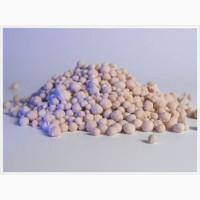
Нитроммофоска NPK 16:16:16 2
24,000 UAH.
Nitrommofoska NPK 16:16:16 (Belarus - big bag) (in the composition of the fertilizer: 0.1-24%-Phosphorus (P2O5), 8-21% Nitrogen (N), 16-28%-Potassium (K) • This fertilizer is a very effective complex solution for various agricultural plants • Agricultural crops receive a complete nutritional complex from this nitrogen-phosphorus-potassium fertilizer • Fertilizer ensures high yields, makes plant stems stronger and resistant to lodging • Makes plants more resistant to low temperatures, fungal diseases, root rot, rust • The presence of different types of brands will allow you to choose fertilizer for different soils or plants. Nitroammophoska in the form of a granular nitrogen-phosphorus-potassium concentrate is a neutral fertilizer and a leader among other fertilizers, the constituent elements of which (N, P, K) can be correlated in different dosages — 15:15:15, 16:16:16, etc. Phosphorus contained in nitroammophos spreads faster in the soil than in superphosphate, thus ensuring better assimilation by various agricultural crops. Unlike fatty mixtures, nutrient elements fill the soil more evenly, since the granules include an equal content of phosphorus, potassium and nitrogen. To increase the effect of using nitroammophoska, this fertilizer can be used with other nitrogen species. Nitroammophoska can be optimally applied in the amount of 8-10 centners per hectare for sugar beet fertilization or 5-8 centners per hectare for winter wheat. When straw is used as a fertilizer after grains in autumn, the soil is fertilized with nitroammophos in doses of 3-4 centners per 1 hectare. In autumn, after other precursors, which are better for the soil, you can fertilize the soil with nitroammophos in the ratio of 1-2 centners per hectare. Application of nitroammophoska fertilizer: Nitroammophoska is the most effective when fertilizing the soil in early spring for winter wheat in a proportion (3-5 centners per hectare). For the first feeding of winter crops, a significant factor is the use of nitroammophos instead of ammonium nitrate, when during the main treatment the soil was not fertilized with potassium and phosphorus in sufficient quantities for a high yield according to preliminary forecasts. Отгрузка программы from a warehouse in Sinelnikovo.
LLC "TD "Svarog Agro",Dnepropetrovsk region., 23-09-2026, Продам
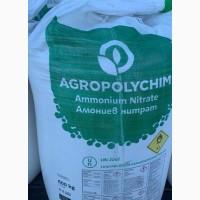
Сульфоаммофос NP 20:20+13S Болгария
24 000 грн.
СОСТАВ ПРОДУКТА NP(S) 20:20(13) Массовая доля общих фосфатов (Р2О5),% 20 +/-1 Массовая доля аммонийного азота, % 20+/-1 Массовая доля сульфатной серы (S), % 13 +/-1 Кальций, Са, %   0,5 Магний,  Мg. % 0.5 Рассыпчатость, %  100 При применении сульфоаммофоса в рядки в количестве 0,7-1,0 ц/га (в физ. весе) при посеве способствует увеличению сбора зерна озимой пшеницы на 6,3-7,2 ц/га, ярового ячменя на 8,1-14,2 ц/га. •Основное внесение сульфоаммофоса в дозе 3,0 ц/га повышает продуктивность второй озимой пшеницы на 11,0 ц/га или 23%, ярового ячменя на 5,6 ц/га, подсолнечника на 1,3 ц/га. Применение сульфоаммофоса способствует  повышению в зерне озимой пшеницы количества сырой клейковины на 2,7%. •Прибавка урожая зеленой массы кукурузы составляет 42,6 ц/га, что заметно превышает действие смеси аммофоса и аммиачной селитры, внесенных в равной дозе. •При внесении сульфоаммофоса под кукурузу на зерно получена наибольшая прибавка урожая зерна – 6,1 ц/га. •Применение сульфоаммофоса при посеве подсолнечника, несмотря на дефицит доступной влаги, в среднем по гибридам даёт прибавку 2 ц/га.
LLC "TD "Svarog Agro",Dnepropetrovsk region., 23-09-2026, Selling
Alternative searches

Search`ammonium nitrate' in ``Various fertilizers and plant protection products + in assortment'

Search inarchivnyh `ammonium nitrate'

Search inGoogle `ammonium nitrate' on Agro-Ukraine

Страницы
← предыдущая ... 1 2
Actual ads
 
all Ukraine
ru
/ru/
0